Early Signs of Bed Bugs: How to Spot an Infestation at Home or in Hotels
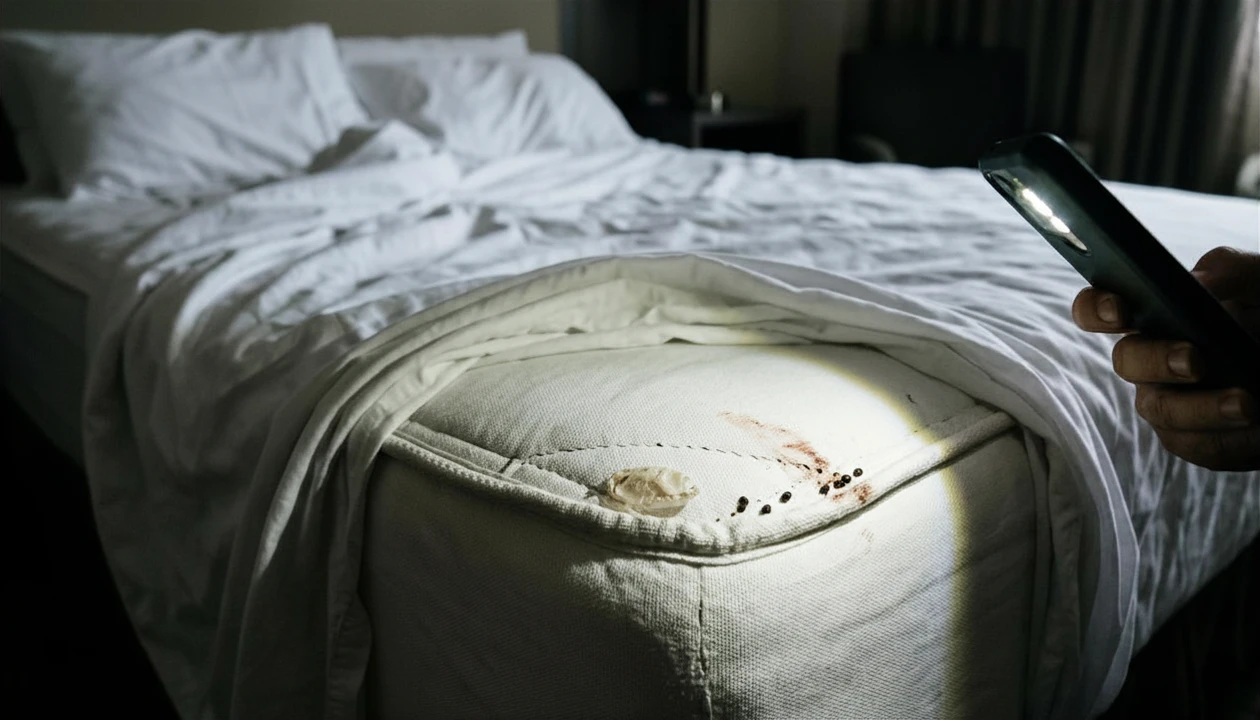
A bed bug infestation is characterized by rust-colored bloodstains on sheets, dark fecal spots, translucent shed skins, small white eggs, and a sweet, musty smell around sleeping areas. Relying on physical evidence like this to spot the early signs of bed bugs is far more reliable than diagnosing skin bites alone, as up to 30 percent of individuals experience no skin reaction to bed bug bites whatsoever.
Whether you are inspecting your mattress at home or taking a quick look around a hotel room, understanding exactly what to look for can prevent a minor issue from turning into a full-blown infestation. This guide breaks down all the key early signs of bed bugs, where they hide, and exactly what to do the moment you spot one.
Table of Contents
Why Bites Alone Are a Poor Indicator
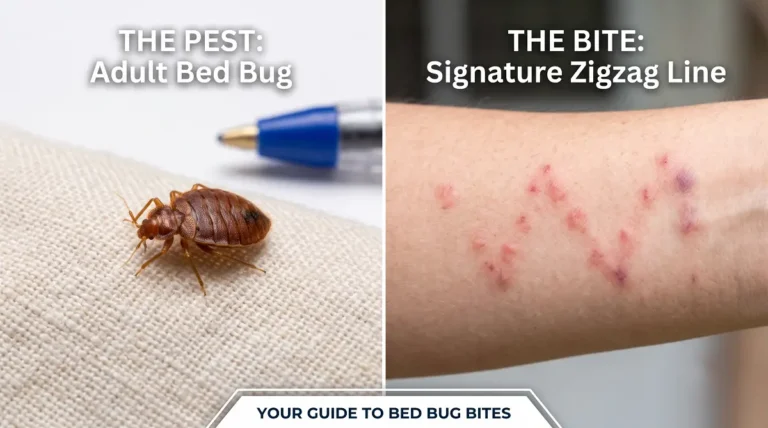
The majority of people believe that the first symptom of an infestation is a bed bug bite. While learning how to identify bed bug bite marks helps you recognize skin symptoms, relying on bites alone to confirm an active infestation is a classic mistake because bites alone are a poor indicator.
Bed bug bites look virtually identical to overnight mosquito bites, flea bites, chigger bites, eczema, hives, and even fungal skin infections. It is incredibly easy to waste weeks treating the wrong issue. Furthermore, some people never develop a visible reaction to bites at all, despite being bitten repeatedly.
The smartest approach is to look for physical evidence of the bugs. Recognizing the true early signs of bed bugs before an infestation spreads can save you thousands in pest control costs.
6 Early Signs of Bed Bugs You Shouldn’t Ignore
1. Rust-Colored Bloodstains on Sheets
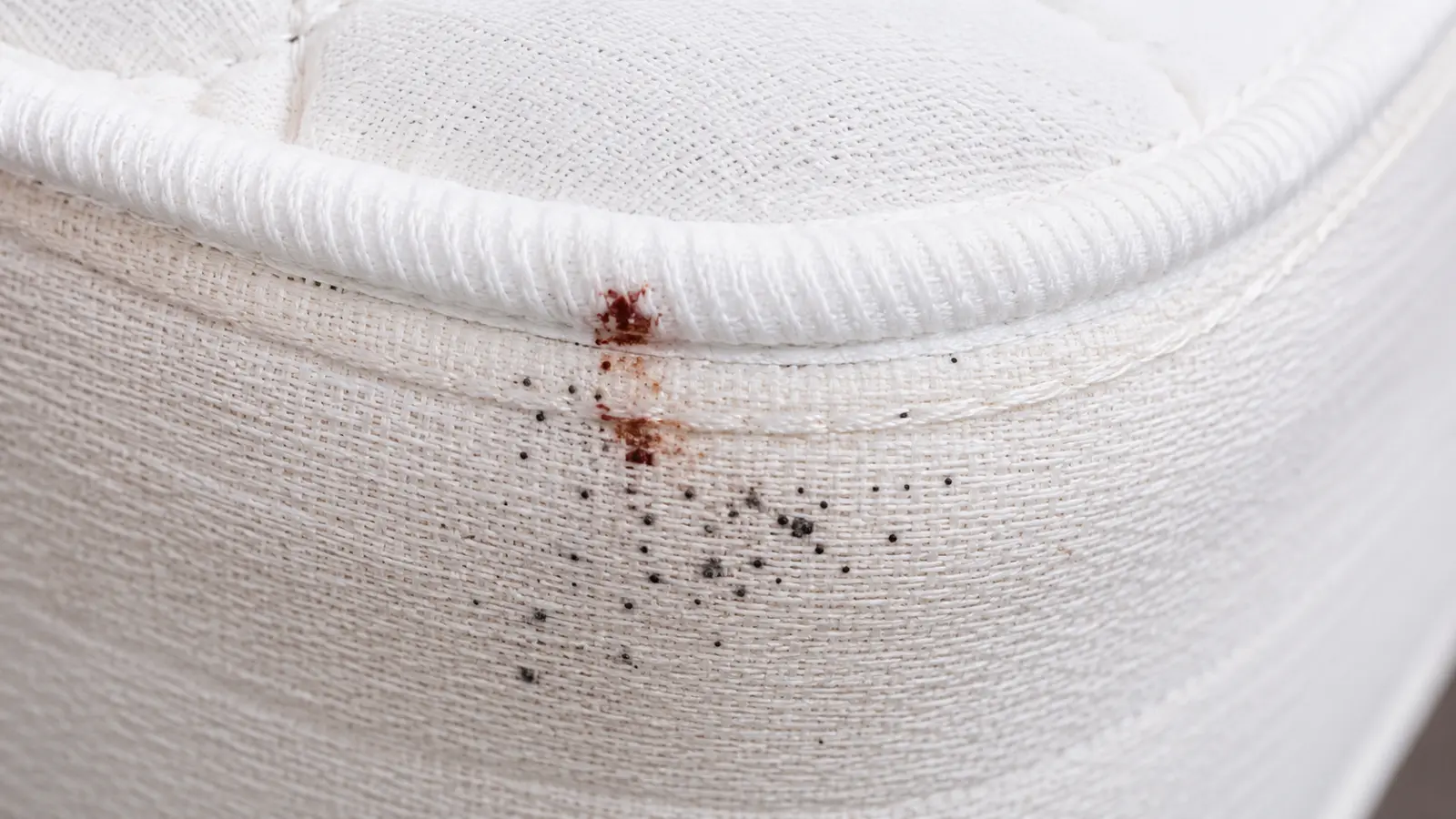
Unexplained bloodstains are often one of the most common early signs of bed bugs that people notice. You wake up and find tiny, reddish-brown droplets on your pillow, sheets, or mattress protector.
These stains usually happen in one of two ways. First, a feeding bed bug might accidentally get squashed when you roll over in your sleep. Second, after feeding, a bed bug may leave behind a tiny droplet of undigested blood as it crawls back to its hiding spot.
- What to look for: Small, irregular rust-colored or pinkish-red spots. They are rarely perfect circles and will smear easily if dabbed with a damp cloth.
2. Dark Fecal Spots (Bed Bug Droppings)
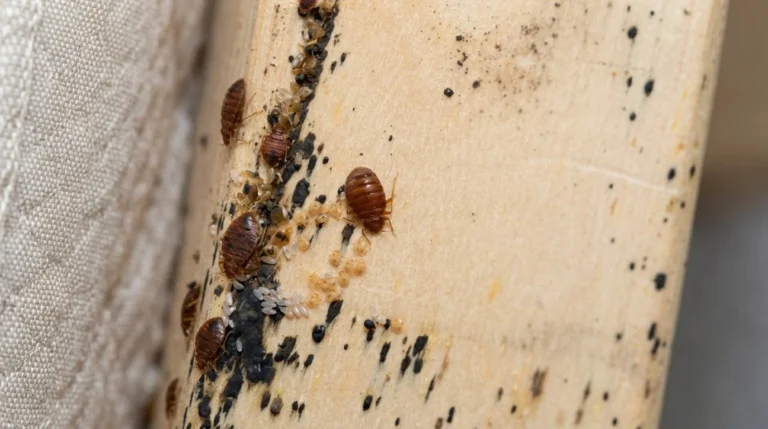
Dark fecal spots are among the most reliable early signs of bed bugs to look for along mattress seams and bed frames. Unlike structural damage caused by a termite infestation, bed bug fecal spots are purely surface-level blood deposits. Bed bug feces consists of digested blood. On fabric, it looks as though someone touched a black felt-tip marker to the material and let the ink bleed into the threads. On hard surfaces such as wood or plastic, it appears as raised, dark brown or black specks.
These spots are roughly 1mm in diameter, about the size of a ballpoint pen dot. They will smear if wiped with a damp cloth on fabric, but they remain solid and elevated on hard materials.
- Where to find them:
- Along the seams, piping, and tags of mattresses
- On the fabric of the box spring
- Inside cracks on the bed frame and headboard
- Around nearby baseboards and electrical outlets
- Inside the joints of nightstands and dressers
Pro Tip: Fecal spots found in tight clusters indicate a primary “harborage” area, the specific spots where bed bugs regularly gather and hide.
3. Shed Skins (Molted Exoskeletons)
Bed bugs go through five nymph stages before reaching adulthood. To grow larger, they must molt and shed their outer exoskeleton at each stage. This means every single bed bug leaves behind five empty shells during its lifecycle.
These shells are pale-yellow, translucent, and shaped exactly like a bed bug. Because they don’t move or hide, they are often much easier to spot than live bugs.
- Important Fact: Translucent molted skins are subtle early signs of bed bugs. A brand-new infestation will leave very few behind, while a well-rooted one can leave hundreds.
4. Bed Bug Eggs and Eggshells
While easy to miss with the naked eye, finding tiny white eggs is one of the definitive early signs of bed bugs. A single female bed bug can lay 1 to 7 eggs per day, totaling up to 500 eggs in her lifetime. Because these eggs hatch in just 7 to 10 days, an undetected infestation can multiply rapidly.
Bed bug eggs are:
- Tiny, measuring about 1mm long (the size of a pinhead)
- Pearly white or off-white
- Oval-shaped
- Deposited in clusters within tight cracks, seams, and crevices
- Sticky when laid, meaning they adhere firmly to surfaces and won’t easily shake loose
Empty eggshells look similar to live eggs, but they appear slightly deflated and are open at one end, signaling that a generation has already hatched.
5. A Sweet, Musty Odor
While an unusual smell is one of the less obvious early signs of bed bugs, it is highly telling. Bed bugs possess scent glands that release aggregation pheromones to communicate with the rest of the colony. In fact, professional exterminators often deploy trained pest detection dogs specifically to track down this unique pheromone scent.
In low numbers, this smell is barely noticeable. However, in severe cases, the odor becomes strong enough to detect the moment you walk into the room. People frequently describe it as a mix of wet towels, overripe raspberries, or a sweet, damp mustiness.
6. Live Bed Bugs
Seeing a live bug in plain sight is the ultimate proof when inspecting for early signs of bed bugs. However, because they are highly nocturnal and evasive, they are rarely seen in the open during daylight hours.
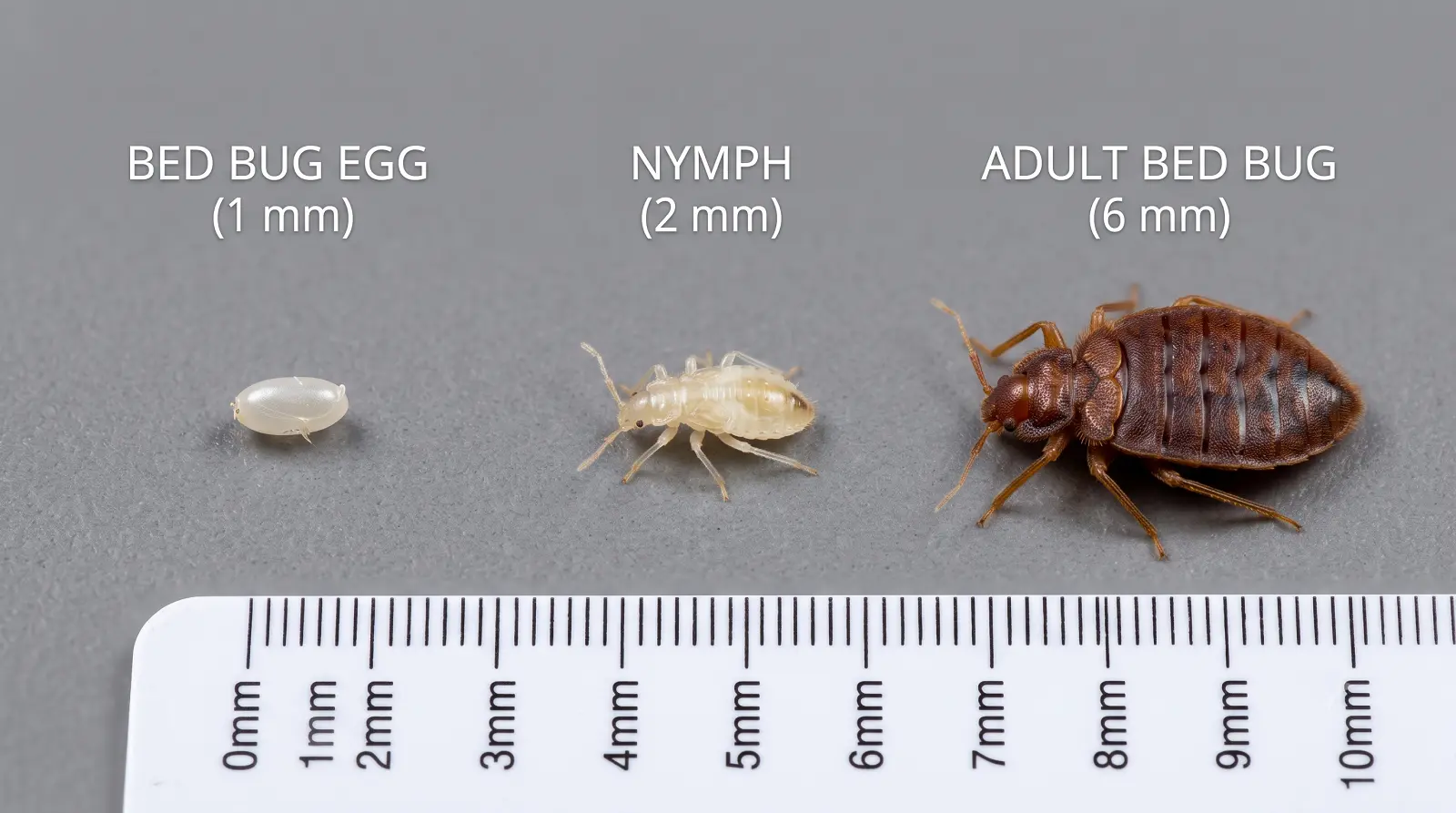
Adult bed bugs are roughly the thickness of a credit card, allowing them to squeeze into almost any structural gap or crevice. If a credit card can slide into a crack, a bed bug can hide inside it.
Where Bed Bugs Hide: A Room-by-Room Breakdown
Once you know what early signs of bed bugs look like, understanding where they hide is the next critical step. Most basic guides focus entirely on the mattress. However, bed bugs spread far beyond the bed, especially as an infestation grows.
- Around the Bed:
- Mattress seams, piping, tags, and tufts
- Box spring fabric, corners, and the internal wooden frame
- Bed frame joints, slats, and hardware crevices
- Screw holes and structural gaps in the headboard
- Bedroom Furniture:
- Inside drawer joints and track glides of dressers and nightstands
- Folds, seams, and skirts of upholstered chairs and couches
- Within the pleats and hems of curtains
- Behind hanging artwork, mirrors, and clocks
- Wall and Floor Perimeters:
- Behind loose or peeling wallpaper edges
- Where the walls meet the ceiling corners
- Inside electrical outlets and light switch boxes
- Cracks and gaps along baseboards and carpet tack strips
Bed bugs typically remain within 5 to 20 feet of their human host. In a light infestation, they rarely leave the immediate bed perimeter. In heavy infestations, they migrate across walls, furniture, and even travel into adjoining rooms through shared wall voids.
Step-by-Step Early Detection: Mattress Check
If you suspect any early signs of bed bugs in your home, perform this thorough step-by-step mattress inspection:
- Strip the Bed: Remove all bedding and carefully check sheets and pillowcases for fresh blood smear drops or fecal dots before washing.
- Inspect the Surface: Examine the upper tufts and flat surfaces of the mattress for dark spotting.
- Check the Seams: Use a bright flashlight to inspect the entire perimeter of the mattress piping, pulling the fabric taut to see inside the folds.
- Flip and Repeat: Flip the mattress over to inspect the underside seams and corner guards.
- Examine the Box Spring: Check the top seams of the box spring, then flip it over to inspect the thin dust cover fabric on the bottom (bed bugs love to hide where this fabric is stapled to the wood).
- Inspect the Frame: Check all frame joints, brackets, and screw heads.
- Check Behind the Headboard: Pull the headboard away from the wall to examine the back panel and mounting brackets.
- The Card Trick: Run the edge of an old credit card firmly through mattress seams and cracks. This will dislodge hidden eggs, shed skins, or live bugs that are wedged out of sight.
How to Spot the Early Signs of Bed Bugs in Hotel Rooms
Taking just five minutes to inspect a hotel room before unpacking can save you months of emotional and financial stress at home. Infested hotel rooms are the primary way travelers accidentally bring these hitchhikers back with them.
Before You Unpack
- Isolate Your Luggage: Immediately place your suitcases in the bathroom or on a tiled floor. Never set them on the bed, carpet, or upholstered luggage racks right away.
- Manage Your Laundry: A University of Sheffield study found that bed bugs are twice as attracted to dirty laundry as they are to clean clothes due to residual human scent. Keep your worn clothing sealed tightly inside plastic bags.
How to Inspect the Room
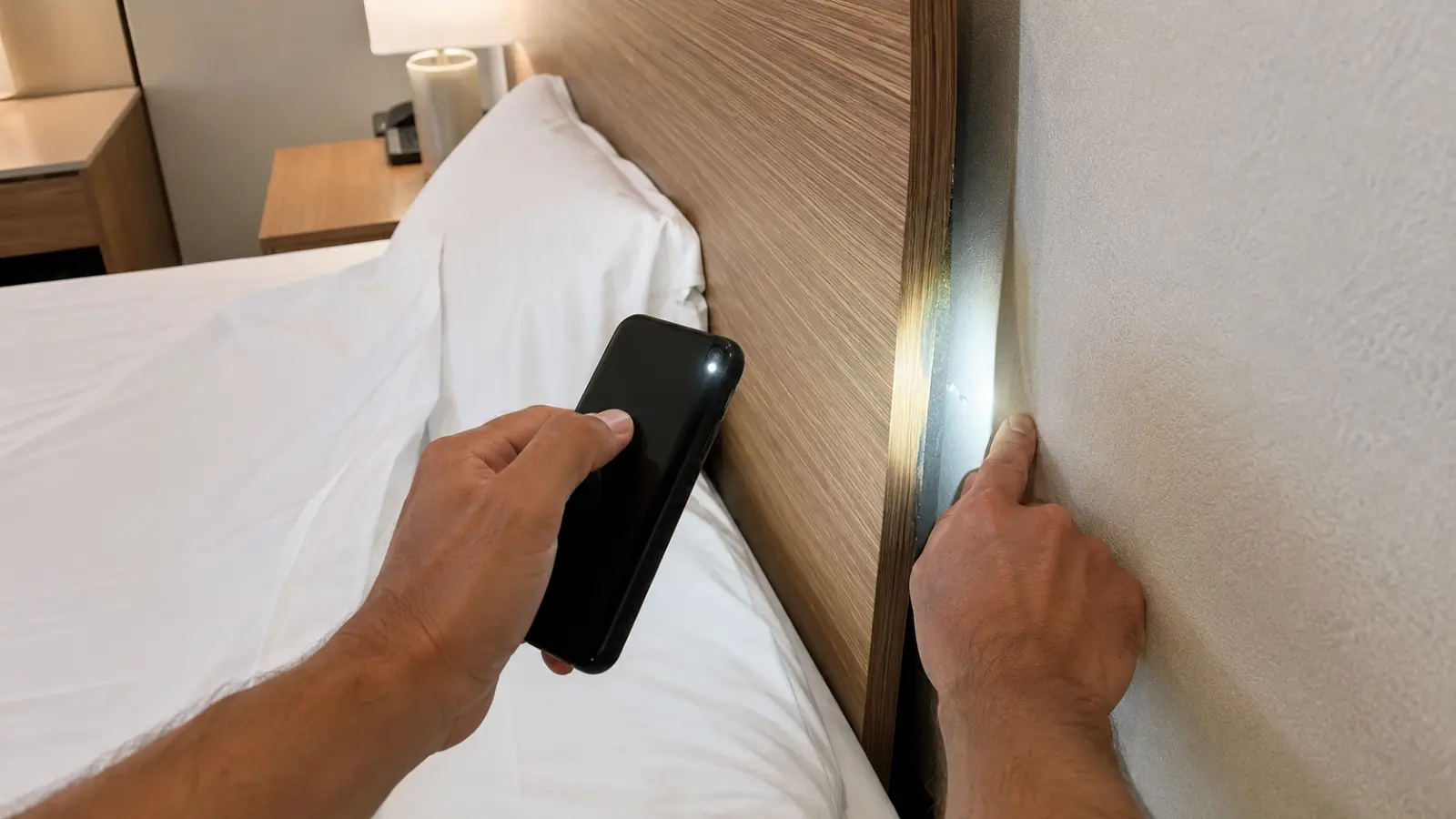
- The Bed First: Pull back the sheets and check the mattress seams, corner guards, and plastic tags for dark fecal spots or amber-colored shed skins. Inspect both the front and back of the headboard using your phone’s flashlight.
- The Surrounding Furniture: Check the seams and tufts of upholstered accent chairs. Open the nightstand drawers and look closely at the interior joints and corners.
- Wall Features: Check behind the wall-mounted TV stand and around the edges of framed art hung near the bed.
Useful Tools to Keep in Your Travel Bag:
- A small, bright flashlight (or your smartphone’s torch)
- An old credit card for scraping tight fabric seams
- A quick check on local bed bug reporting databases or reviews before booking your stay
What to Do If You Find Signs
- Stop Unpacking: If you discover any early signs of bed bugs in your room, stop unpacking immediately and do not bring any more luggage inside.
- Request a Move: Alert management immediately. Ask for a new room that is not adjacent to, directly above, or directly below the infested room, as bed bugs easily travel through utility lines.
- Document Everything: Take clear photos of the physical evidence.
- Post-Trip Protocol: Keep your travel clothes sealed in plastic bags. The moment you return home, dump them straight into the dryer on high heat for at least 30 minutes to kill any hidden bugs or eggs, then wash them normally.
Bed Bugs vs. Carpet Beetles
Many homeowners mistake carpet beetle debris for the early signs of bed bugs, leading to ineffective DIY treatments and unnecessary stress. Carpet beetle larvae have a somewhat similar shape and size to bed bug nymphs, and they are frequently found in the exact same areas of a home.
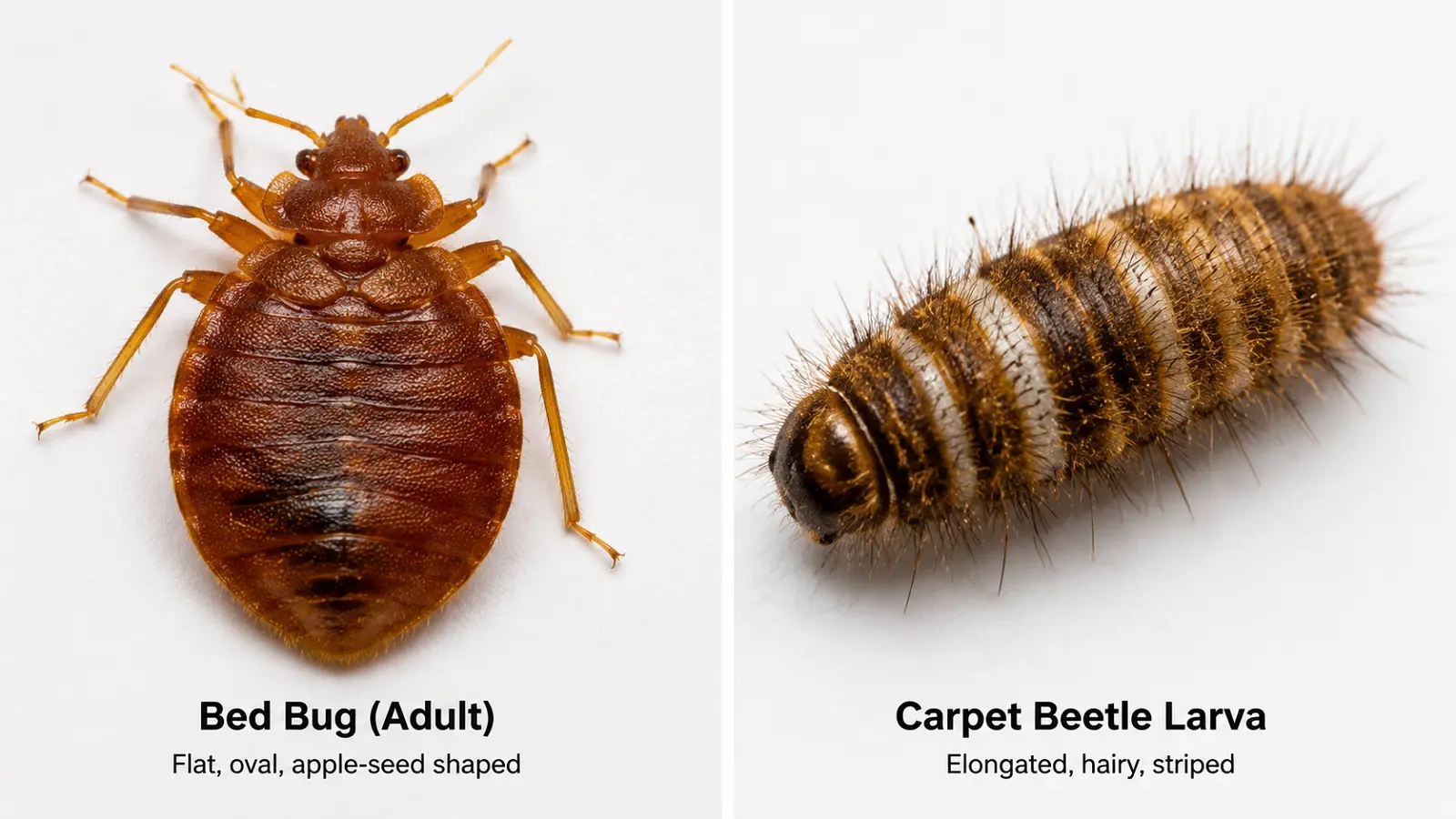
Treating carpet beetles with bed bug protocols (or vice versa) means using the wrong treatments entirely, allowing the actual infestation to grow unchecked. Always look for the identifying fecal spots, eggs, and shed skins to confirm which pest you are dealing with.
Bed Bug Signs Across Different Skin Tones
Recognizing the early signs of bed bugs on darker skin tones requires looking past bright red welts. The vast majority of online guides state that bed bug bites look like bright red welts. While this is accurate for lighter skin tones, bites can look significantly different on darker skin.
On medium-to-dark complexions, bed bug bites often present as purple, plum-colored, or dark brown bumps. Because they don’t look bright red, they are frequently overlooked or misidentified as minor bruising or localized skin scratches. The intense itching and swelling remain identical, but recognizing these color variations is essential for an accurate early diagnosis.
Comparing Early Signs of Bed Bugs vs. Heavy Infestations
The earlier you catch an infestation, the easier and more affordable it is to eradicate. A localized, early-stage issue can sometimes be resolved in a single targeted visit by a professional. A heavy, widespread infestation often requires extensive preparation and multiple structural heat or chemical treatments spanning several weeks.
What to Do Immediately After Finding Signs
- Quarantine the Room: The moment you confirm the early signs of bed bugs, do not move furniture, clothing, or bedding out of the infested room into other areas of the house. This will only spread the bugs to clean rooms.
- Heat-Treat Linens: Strip the bedding, seal it in a plastic bag on the spot, carry it directly to the washing machine, and wash it in hot water. Dry everything on high heat for a minimum of 30 minutes.
- Vacuum Thoroughly: Vacuum the mattress, box spring, bed frame, and surrounding carpet edges carefully. Immediately empty the vacuum canister or bag into a plastic trash bag, seal it tightly, and take it to an outdoor dumpster.
- Isolate Small Items: Place non-washable items (like books or shoes) into airtight plastic bags. You can freeze them below 32°F (0°C) for a minimum of 4 days, or use a specialized portable heating chamber designed for pest control.
- Contact a Licensed Professional: Call a certified pest management professional to perform an inspection and build an eradication plan. DIY home remedies and over-the-counter bug bombs are notoriously ineffective against bed bugs and often scatter them deeper into your walls.
Final Thoughts
Spotting the early signs of bed bugs can make a huge difference. A few small bloodstains, dark fecal spots, shed skins, or tiny eggs may not seem serious at first, but they are often the first warning signs of an infestation starting to grow.
The most important thing to remember is not to rely on bites alone. Bed bug bites can look like many other skin reactions, and some people do not react to bites at all. Physical evidence is much more reliable, so focus on checking mattress seams, box springs, headboards, bed frames, nearby furniture, and luggage after travel.
A quick inspection every time you change your sheets, plus a five-minute hotel room check before unpacking, can help you catch a problem before it spreads. If you find clear signs of bed bugs, avoid moving items around the home, heat-treat washable fabrics, vacuum carefully, and contact a licensed pest control professional for proper confirmation and treatment.
The earlier you act, the easier and less stressful the problem is to control. Taking swift action saves both your peace of mind and your home maintenance budget.
Frequently Asked Questions
What are the early signs of bed bugs if you can’t see them?
Look for their physical evidence: rust-colored stains on bedding, small dark fecal spots that bleed like ink when damp, translucent shed skins inside mattress seams, and a sweet, musty odor. You do not need to spot a live bug to confirm an active infestation.
How do you know if a mattress has bed bugs?
The primary early signs of bed bugs are typically clusters of pinpoint black fecal spots along the mattress seams, piping, and tags, alongside small blood smears on the fabric surface. Shed skins and eggs will appear slightly later as the population grows.
What is the fastest way to inspect a hotel room?
Pull back the sheets at the head of the bed to inspect the mattress seams and the front and back of the headboard with a flashlight. Look for dark spots, stains, or molted skins. Then check the seams of any upholstered chairs. The entire process takes less than five minutes.
What does a bed bug infestation smell like?
It has a sweet, damp odor that many compare to rotting fruit, overripe raspberries, or damp towels. While rarely noticeable among the immediate early signs of bed bugs, the scent is typically only strong enough to notice in moderate-to-severe infestations.
Can you have bed bugs without seeing bloodstains?
Yes. Bloodstains are not the only early signs of bed bugs. In the absolute earliest stages, focus instead on inspecting the mattress piping and corner guards for dark fecal drops and translucent shed skins, which are much more reliable early indicators.
What is the Bed Bug Registry?
It is a public, crowd-sourced database where travelers and renters report bed bug sightings in specific hotels, apartments, and locations. Checking these types of public review platforms before booking a room can alert you to recent activity.
Do bed bugs mean a house is dirty?
Not at all. Bed bugs are not attracted to dirt, grime, or garbage. They are solely drawn to human body heat and the carbon dioxide we exhale. The cleanest luxury home or five-star hotel can get an infestation just as easily as any other building. However, excess clutter does give them more places to hide, making them harder to eliminate.