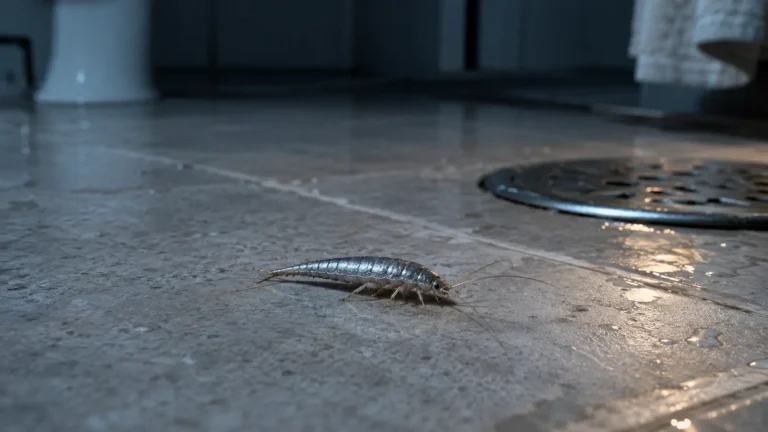
Are Silverfish Bad? What They Actually Do in Your Home
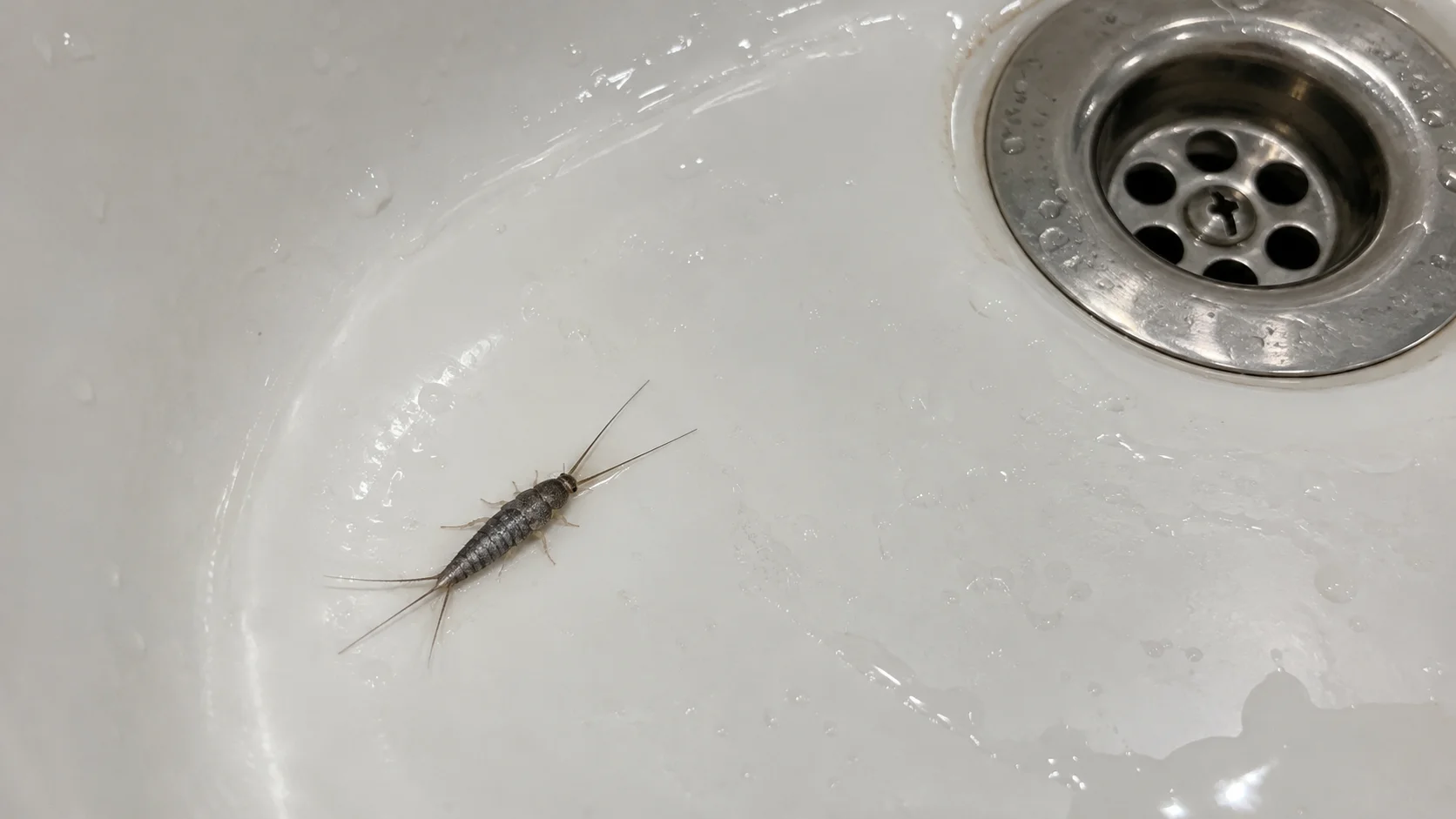
Table of Contents
The first silverfish I ever saw shot out from behind a bathroom baseboard and disappeared in under a second. I spent that night wondering whether it had found its way into my bed. If you just saw one and you are reading this at midnight, I know exactly where your head is.
Are Silverfish Bad? Here is the short answer. Silverfish cannot bite you, cannot sting you, and carry no disease. They can still ruin your books, your clothes and your stored food, and they are usually telling you something about your house that matters more than the bug itself.
Quick check: is it actually a silverfish?
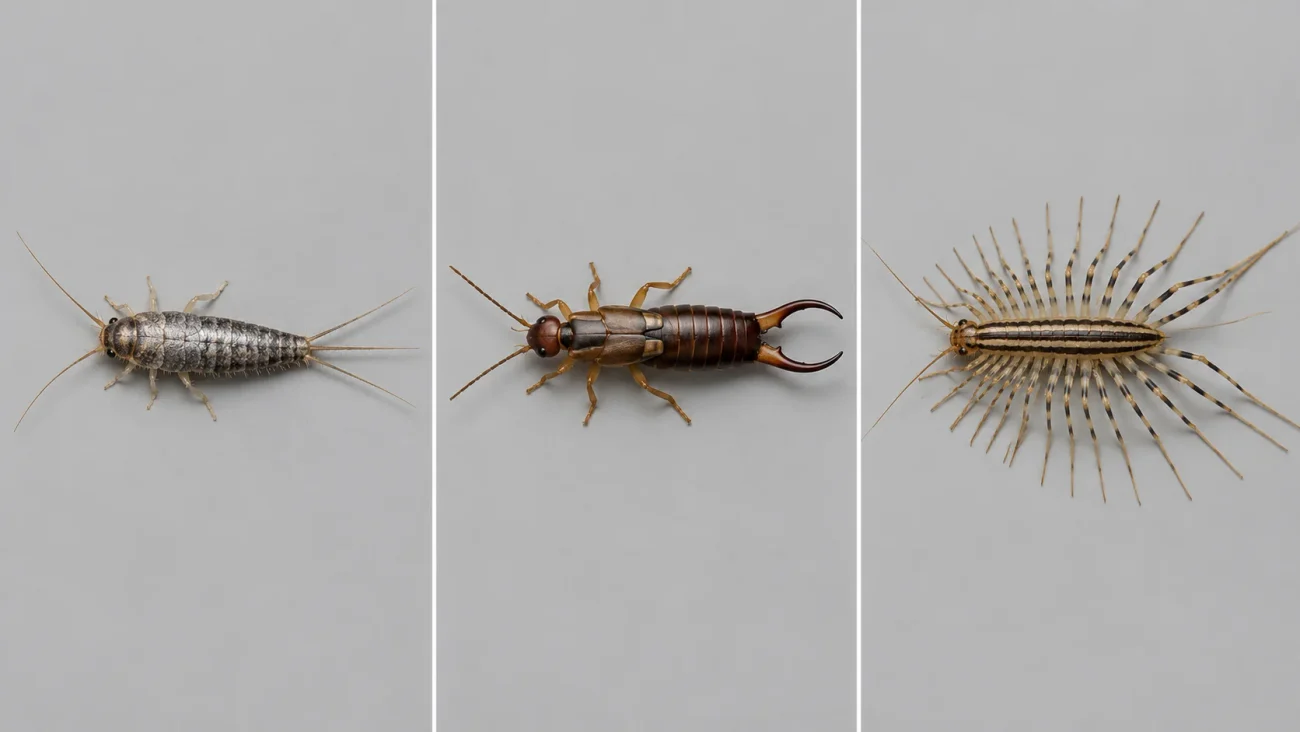
Silverfish are about half an inch long, shiny silver or pearl grey, shaped like a teardrop that narrows toward the back. Three thin bristles trail off the tail end. They move in a fast side-to-side wriggle that looks like a fish swimming across your floor.
If the bug has pincers on its rear, it is an earwig. If it has dozens of long legs, it is a house centipede. Both of those can actually pinch or bite. The silverfish cannot.
Are silverfish bad for humans?
No. Silverfish are not dangerous to people in any direct way.
They do not bite, they do not sting, and they are not known to carry or transmit any human disease. They have no venom and no defensive weapon of any kind. When you turn on a light and one scatters, that is the entire extent of its threat response. It runs.
What makes people assume otherwise is the way they look and move. A fast, flat, metallic insect darting across a bathroom floor triggers an alarm response that has nothing to do with actual risk. The fear is real. The danger is not.
Do silverfish bite?
Search long enough and you will find someone insisting a silverfish bit them as a child. Those stories circulate in forums and comment threads constantly, which is why flat denials from pest control websites rarely convince anyone.
So here is the actual reason it does not happen.
Entomologists at the University of California’s statewide pest management program describe silverfish mandibles as weak. They scrape and graze the surface of paper and fabric, which leaves shallow, irregular patches and sometimes small, unconnected holes rather than neat, round openings. A silverfish feeds by grazing the top layer off paper, the way a rasp takes a thin shaving off wood. That is why silverfish paper damage shows up as shallow, irregular patches instead of clean punched holes.
Mouthparts that weak cannot break human skin. There is no documented case of a silverfish biting a person in the entomological literature, and no clinical reports describing silverfish bite wounds.
So what did bite those people? Almost always one of three things:
- Earwigs, which have visible rear pincers and will pinch
- House centipedes, which do bite and are often found in the same damp rooms
- Firebrats, a close silverfish relative that looks similar but mottled grey-brown
If you have a mark on your skin and silverfish in your house, the silverfish is the least likely suspect in the room.
Are Silverfish Poisonous or Venomous?
Neither. There is a difference worth knowing, because people mix these up constantly.
- Venomous means it injects a toxin. Silverfish have no stinger and no venom glands.
- Poisonous means it harms you if you eat or touch it. Silverfish carry no toxin in their bodies.
A silverfish that lands on your arm leaves nothing behind but a few scales. No sting, no welt, no toxin.
The one real health angle: shed scales and allergies
This is where most articles either overclaim or skip the topic entirely. The honest version is more specific and more useful.
Silverfish are covered in fine scales, and they shed them constantly. Unlike most insects, silverfish keep molting after reaching adulthood, with some individuals going through around 60 molts across their lifetime. Over months, the scales and droppings build up inside wall voids, behind baseboards and under stored boxes, mixing into ordinary household dust.
Research has identified tropomyosin, a known allergenic protein, in silverfish body extracts, though not specifically in isolated shed scales.
A Spanish research team led by Boquete tested 45 children who had asthma or allergic rhinitis. Thirty-eight of those 45 showed IgE antibody binding to silverfish protein in laboratory testing, and the extract cross-reacted strongly with dust mite and cockroach allergens.
Now the part that matters, and that almost nobody reports accurately: the researchers stated plainly that the pathogenic role is unproven. No challenge testing was done. The study demonstrated IgE cross-reactivity in lab conditions, not symptoms caused by household silverfish exposure.
The practical translation: silverfish are a possible allergen source, not an established cause of household respiratory symptoms.
What do silverfish do in your home?
This is the question behind most silverfish searches, and the answer is short: they eat starch, and almost everything in a house contains some.
Silverfish feed on carbohydrates, cellulose and the proteins in dried organic matter. Their menu covers:
- Paper and cardboard, including book pages, documents, photographs and storage boxes
- Glue and adhesive, especially book bindings, envelope gum, wallpaper paste and sizing
- Fabric, with a preference for starched or stained natural fibers like cotton, linen, silk and rayon
- Pantry staples, including flour, oats, cereal, pasta, sugar and dry pet food
- Household dust, dead insects and certain fungal growths
They are nocturnal, so you are seeing a fraction of what is present. They also survive several months without eating at all, which is why cleaning out a pantry rarely ends the problem on its own.
The damage is slow and cumulative rather than dramatic. Nobody loses a house to silverfish. People do lose a box of family photographs in an attic, or a stored wedding dress, or a shelf of old paperbacks.
How to tell silverfish caused the damage
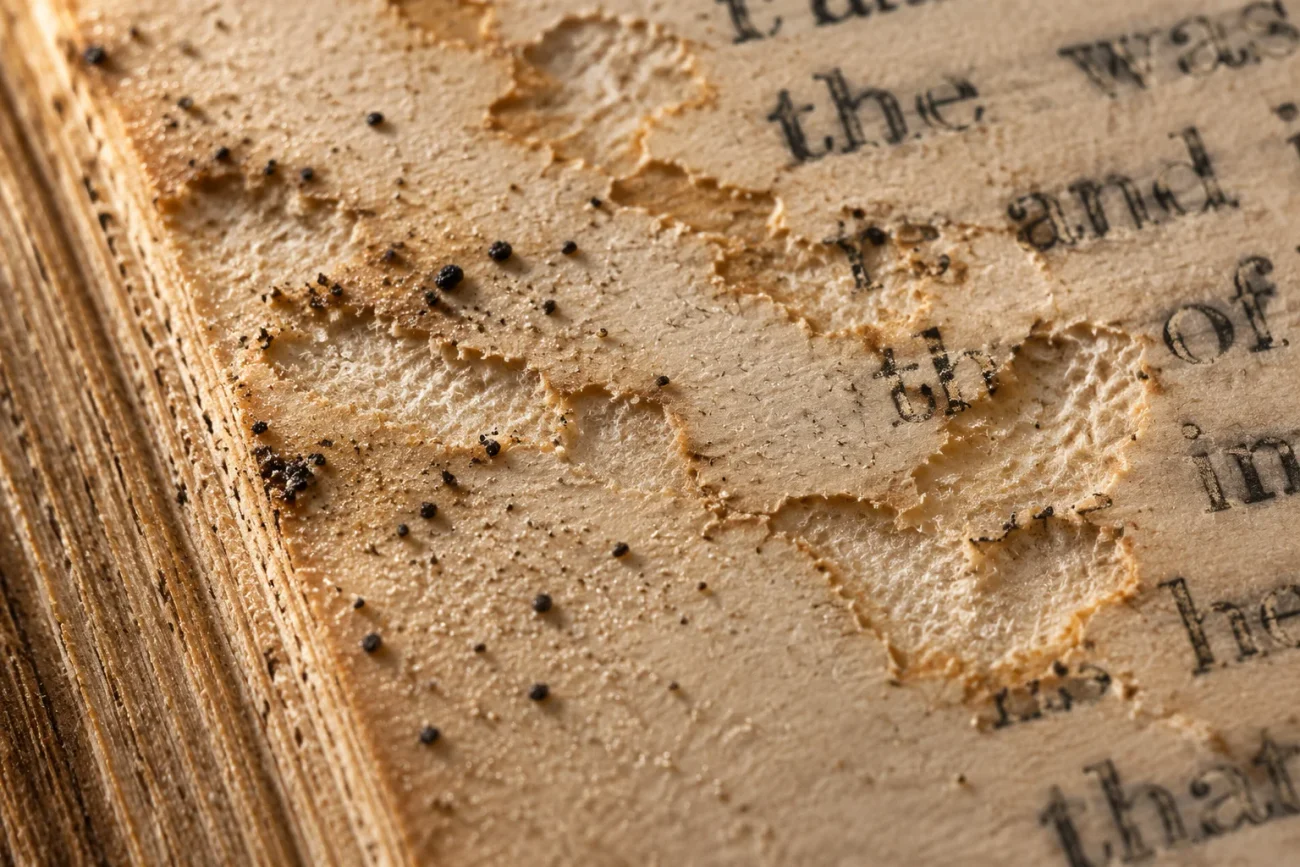
Three forensic signs separate silverfish damage from moth, beetle or rodent damage:
- Grazed surfaces, not holes. Silverfish scrape the top layer. You will see thin patches where print has lifted off a page or a fabric nap has worn away, often with no hole all the way through.
- Yellow staining. Feeding leaves yellowish marks, and the fungal growth that follows their feeding discolors paper further.
- Scales and pellets. Look for fine shimmering dust and tiny black pepper-like droppings at the edges of the damaged area. That combination is close to a confirmation.
If you find round holes punched clean through fabric instead, you are dealing with clothes moths or carpet beetles, not silverfish.
Are silverfish harmful to pets, babies or your food?
Pets. No. Silverfish are not toxic and do not bite animals. Cats in particular treat them as moving toys. A dog or cat that eats one will be fine. The pest itself poses no risk, though you should still keep animals away from any insecticide you apply. For safer options, see our guide on how to get rid of silverfish naturally.
Babies and small children. No bite risk and no disease risk. The only consideration is the allergen point above, which applies to a child with existing respiratory allergy, not to a healthy infant.
Food. This is the one place people need a clear rule, because “should I throw it out?” comes up constantly.
- Throw it out if you find live silverfish inside the package, droppings in the product, or chewed packaging with contamination underneath.
- Keep it if a silverfish was on the outside of a sealed bag or box and nothing got in.
- Check neighbors on the shelf. Where one package is breached, others usually are too.
Silverfish do not make food poisonous. They contaminate it with droppings and shed scales, which is an appetite and hygiene problem rather than a toxicity one. Moving dry goods into sealed glass or hard plastic containers ends this category of problem permanently.
How to Tell Silverfish Damage From Moths, Booklice, and Roaches
This is the section I wish existed when I was trying to figure out what wrecked a box of my grandmother’s letters.
UC IPM gives a specific damage signature for silverfish: irregularly shaped holes that are not connected to each other and spread outward from one area. You may also see page discoloration from fungi growing alongside them, plus fecal debris and those dustlike scales underneath the damaged item.
Compare that against the usual suspects:
| Pest | Damage signature | Where it shows |
| Silverfish | Scraped surfaces, irregular unconnected holes, scales and fecal specks nearby | Paper, book bindings, wallpaper, starched fabric |
| Clothes moths | Clean-edged holes, silk webbing or cases | Wool, cashmere, fur, feathers |
| Booklice | Surface grazing only, almost no holes, needs mold present | Damp paper, bindings, stored grain |
| Cockroaches | Ragged chewing plus dark smear marks and odor | Food, packaging, almost anything organic |
The giveaway for silverfish is the combination of scraping and those shiny scales. Run a finger along the shelf beneath the damage. If it picks up fine, slightly glittering dust, that is your answer.
Why silverfish usually mean more than a bug problem
Here is the part that changes how you should read a silverfish sighting.
Silverfish need humidity. The UC program puts their preferred range at 71 to 90 degrees Fahrenheit, and above that range they need relative humidity over 75 percent. They are not feeding on the moisture. They need the damp conditions to survive while they feed on the starch around them.
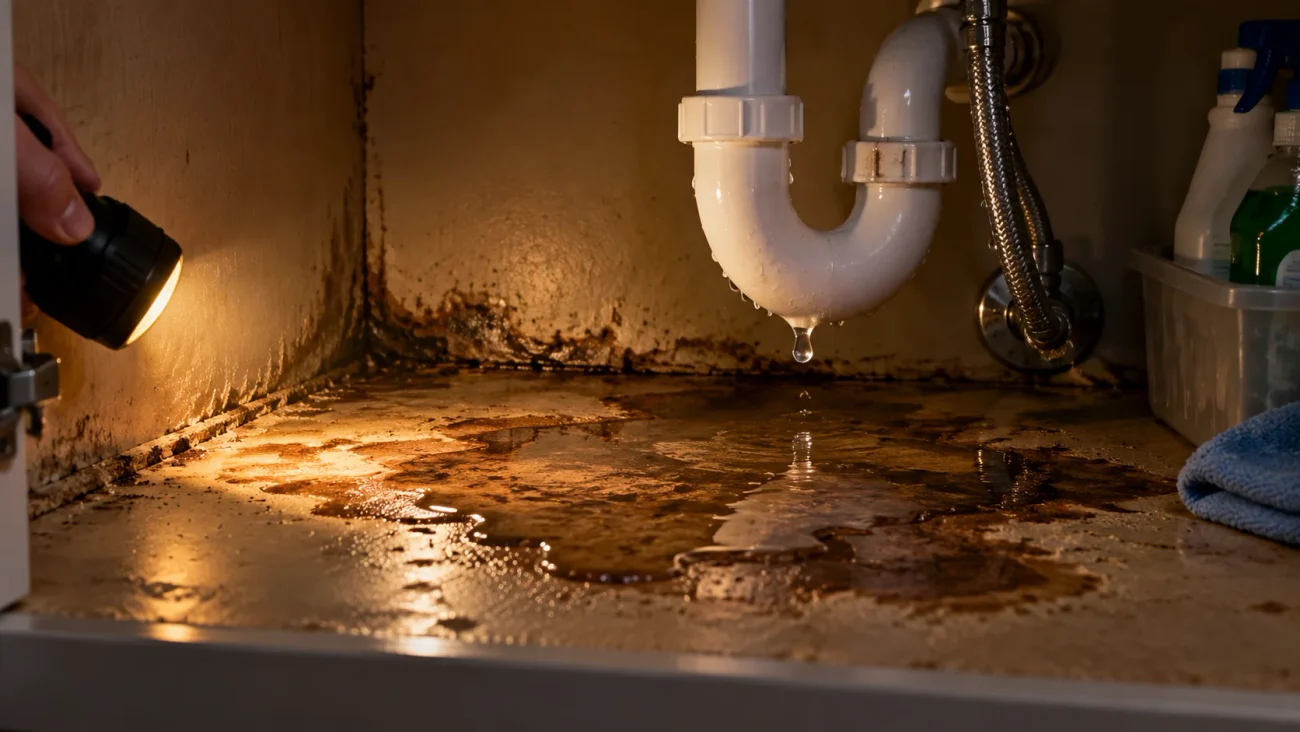
So repeated silverfish sightings in one room usually point at a moisture source. A slow supply line leak under a sink. A failed bathroom fan. Condensation in a crawl space. Groundwater in a basement wall. In Gulf Coast and Pacific Northwest homes the ambient humidity alone can be enough. In older Northeast and Midwest houses it is almost always a basement or a bathroom.
A sudden burst of sightings often means silverfish moved in from outside through window gaps and foundation cracks. If they appeared all at once after a wet stretch of weather, that is usually what happened.
The exception nobody tells you about. Standard advice says drop humidity below 70 percent and silverfish leave. That advice is built on the common silverfish. A second species, Ctenolepisma longicaudatum, the grey or long-tailed silverfish, survives at around 55 percent humidity. It lives five to seven years instead of three.
Grey silverfish are established across the southern United States and from the Midwest through to California.
If silverfish activity continues despite reducing humidity, a less moisture-dependent species such as the long-tailed silverfish may be involved. Correct identification matters here because different species can need different control strategies, and the humidity-based advice was never going to work on the long-tailed kind.
When silverfish actually become a problem
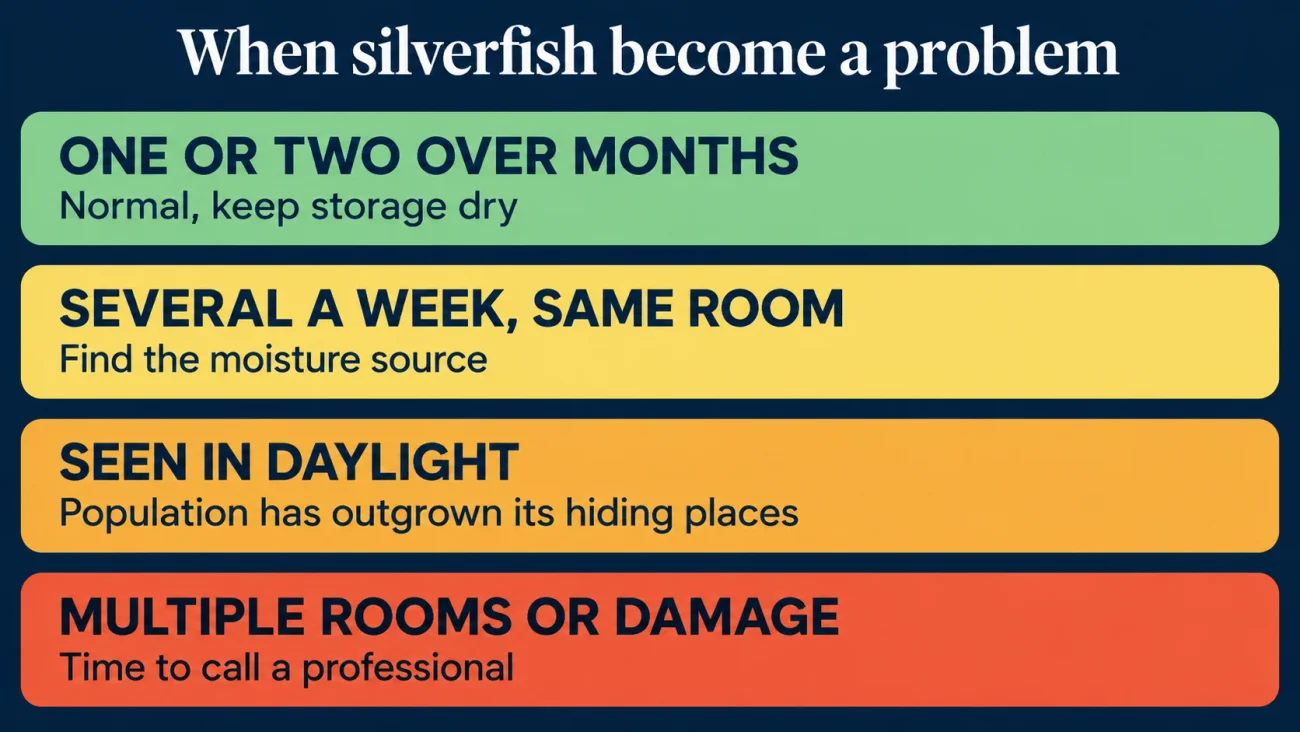
Most people do not need to do anything. A rough threshold:
- One or two sightings over months: normal. No action needed beyond keeping storage dry.
- Several a week, always the same room: find the moisture source. The bug is the symptom.
- Daytime activity can be a warning sign, but is not definitive proof of a large infestation.
- Multiple rooms, or damage on stored items: time to call a professional.
Three things people get wrong about silverfish
“Silverfish mean your house is clean.” This one circulates widely and it is backwards. Silverfish indicate humidity, not cleanliness. Spotless homes with damp bathrooms get them. Cluttered dry homes often do not.
“They eat the damp.” They do not. Moisture is the condition they need. Starch is the food.
“Killing the ones you see fixes it.” Silverfish live mostly inside walls, under floors and behind cabinets. Killing visible insects alone will not resolve an established infestation.
Frequently asked questions
Should I be worried if I see a silverfish in my room? Not about your health. One silverfish is harmless. What deserves attention is why the room is humid enough to support it, especially if it is a bedroom rather than a bathroom.
Are silverfish bad for humans? No. Silverfish cannot bite, do not sting, and carry no known disease. The only documented human health link is allergy to the protein in their shed scales, and research has shown that in lab testing rather than proven it causes illness at home.
What do silverfish do to people? Nothing directly. They do not feed on people, do not transmit anything, and have no interest in you. Their activity is limited to scavenging starch, paper, glue and dry food.
What happens if my dog or cat eats a silverfish? Nothing, in nearly all cases. Silverfish are not toxic to pets. Watch the pesticides you use far more closely than the insects.
How long do silverfish live? About three years. They molt 45 to 60 times across that lifespan, which is why shed scales accumulate.
Are silverfish bad for walls or wood? No. They do not cause structural damage. They go after the paste behind wallpaper, not the wall itself.
Why shouldn’t you kill silverfish in your house? There is no strong reason not to, but there is little point. They are slow-reproducing decomposers that break down old paper and dead organic matter, and the ones you see are a small fraction of the total. Fixing the moisture does far more than killing individuals.
Do silverfish eventually go away? Silverfish live about three years and survive months without food, so populations can persist while favorable conditions remain. Remove the humidity and they decline on their own.
What kills silverfish immediately? Contact insecticides labeled for silverfish can kill exposed insects. The challenge is reaching hidden insects and controlling the infestation. Baits work poorly because silverfish tend not to feed on them, and foggers are not recommended for this pest. Silica gel and diatomaceous earth dusts work in dry harborage areas over time, not instantly.
The bottom line
After years of writing about household pests, silverfish remain the one I most often have to talk people down from. The panic is understandable. The actual risk is close to zero.
What I would do tonight is simpler than killing bugs. Check under the sinks. Run the bathroom fan longer. Put the flour in a jar.
The silverfish is not the problem. It is the receipt for a moisture problem you have not found yet.
Not sure what you are looking at? Our https://pestcompass.com/silverfish-identification-guide/ walks through appearance, habits and hiding spots in detail.
Seeing them in more than one room? Start with the full https://pestcompass.com/silverfish/ for prevention and removal steps.
References
- UC Statewide IPM Program, Silverfish and Firebrats: https://ipm.ucanr.edu/home-and-landscape/silverfish-and-firebrats/
- Virginia Tech – Department of Entomology. Silverfish and Firebrats. Virginia Cooperative Extension.https://ext.vt.edu/content/dam/ext_vt_edu/topics/4h-youth/makers/files/ento-8-silverfish-and-firebrats.pdf
- University of Maryland Extension. Silverfish and Firebrats. Home and Garden Information Center.https://extension.umd.edu/resource/silverfish-and-firebrats
- University of Florida / IFAS Extension. Booklice and Silverfish. UF Entomology and Nematology.https://entnemdept.ufl.edu/creatures/urban/occas/booklice_and_silverfish.htm