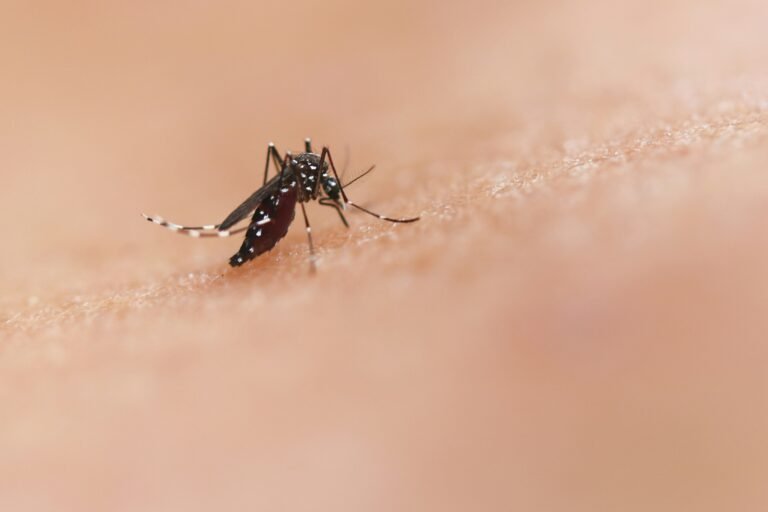
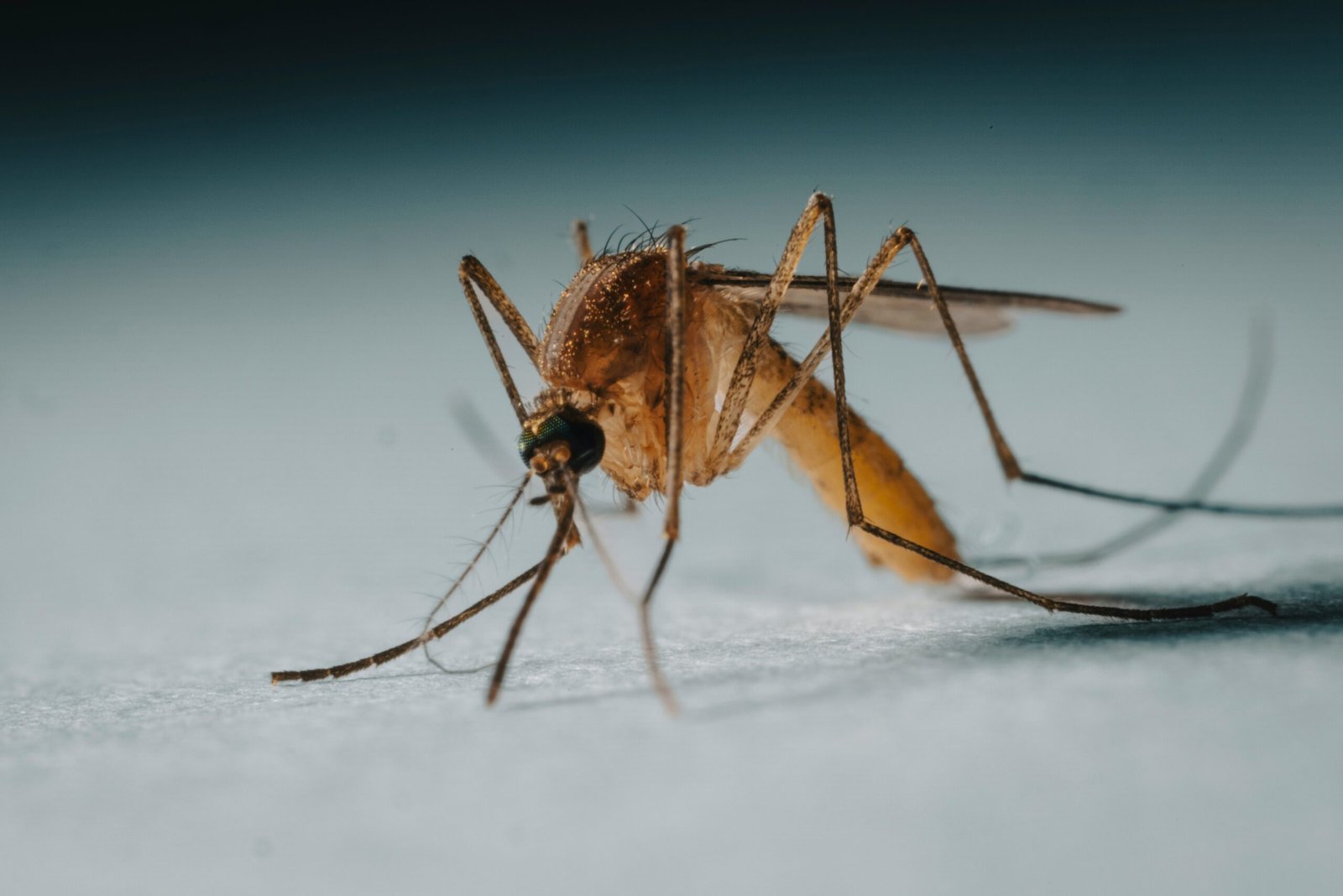
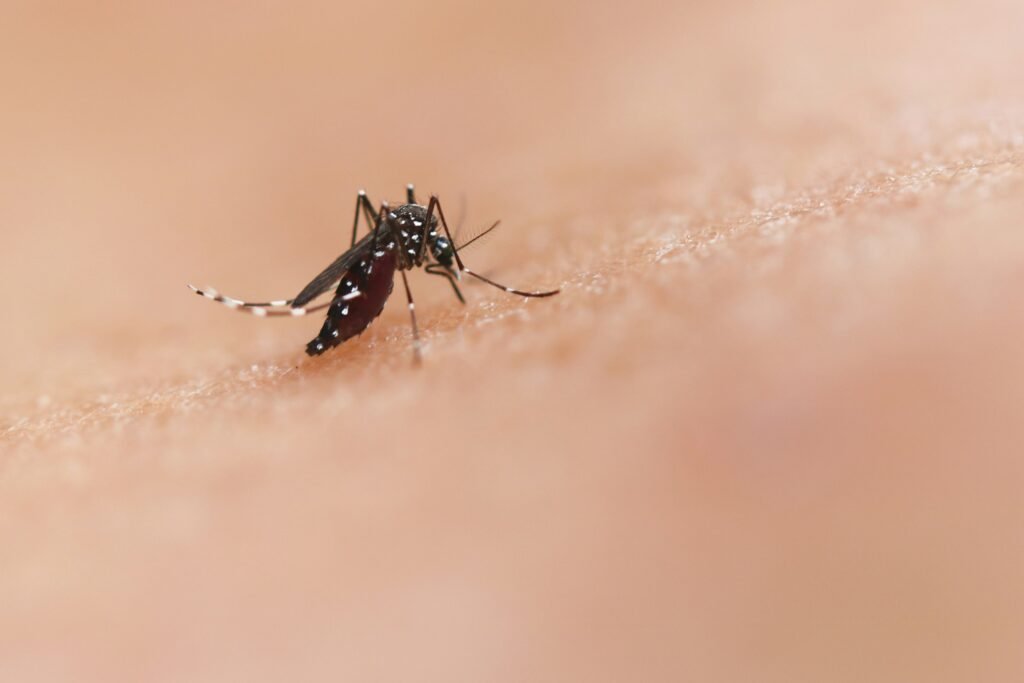
Best Mosquito Repellents and Yard Control Methods: Sprays, Zappers, Foggers, Plants, and Citronella
Introduction
I still remember the summer I decided to fix our mosquito fogger problem for good. We had just moved into a house with a big backyard. My kids were excited, and so was I.
What we got instead of lazy evenings on the patio was misery. My daughter came in one night with eleven bites on her legs. My son refused to go outside anymore.
Every product I tried seemed to work for about twenty minutes before the mosquitoes came right back. I had wasted money on candles, clip-on fans, and sprays that promised everything. Worse, I did not even know why they were failing.
That is when I started actually researching mosquito control. Not just reading product boxes, but digging into university extension studies and EPA guidance. What I found changed everything.
Here is the hard truth most websites skip: no single product can fully protect your yard. What actually works is a smart combination of methods; each one targeting mosquitoes at a different stage of their life. This guide covers that, and you’ll know exactly what to do by the end.
1. Mosquito fogger Spray for yards: your first line of Defense
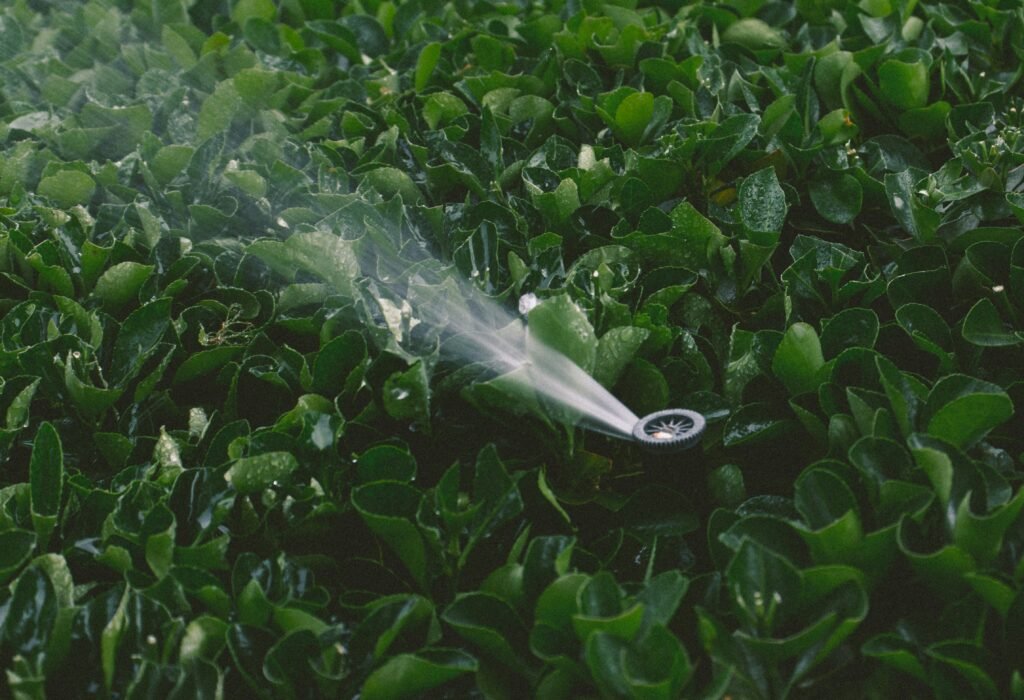
A mosquito fogger for yards is one of the most common options. It is simple to use and works fast. Most yard sprays kill adult mosquitoes on contact.
There are two main types:
Chemical sprays use active ingredients like pyrethrins or permethrin. These kill mosquitoes quickly. They also protect against ticks and other insects. However, some chemical sprays can harm bees and other beneficial bugs. Always check the label before you spray near flowers or vegetable gardens.
Botanical (natural) sprays use plant-based oils. Ingredients like clove oil, lemongrass, and citronella oil are common. These are safer for children, pets, and pollinators. However, natural sprays wear off faster. You may need to reapply every two weeks.
How to Apply Yard Spray Correctly
- Spray in the early morning or evening. Mosquitoes rest during the day.
- Focus on shady areas, tall grass, shrubs, and the undersides of leaves.
- Attach the bottle to your garden hose for easy, even coverage.
- Most sprays cover up to 5,000 square feet.
One application usually lasts 3 to 12 weeks, depending on the product and rainfall.
Tip: Always read the re-entry time on the label. Wait until the spray dries before letting kids or pets back outside.
2. Mosquito Repellent Granules: The Longer-Lasting Alternative to Sprays
Most homeowners skip granules. That is a mistake. Mosquito repellent granules are one of the most underused yard control tools out there.
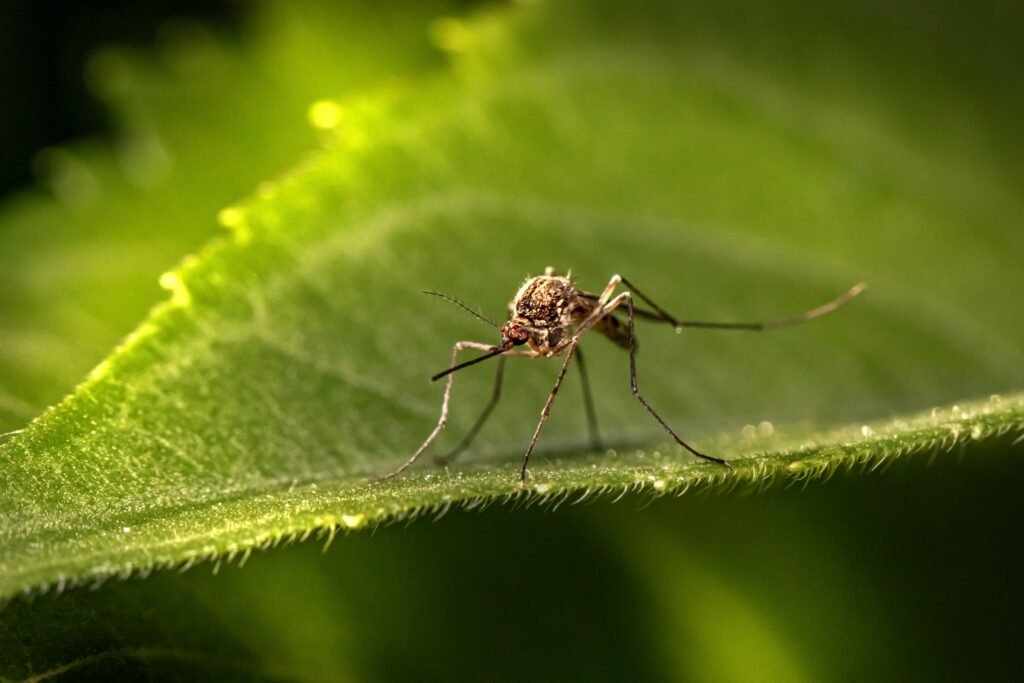
Here is how they work. You simply shake the granules across your lawn, garden beds, and around your patio. No hose, no pump, no mixing needed. One application starts working within an hour. Most natural granules last up to 3 weeks; longer than many liquid sprays.
Granules work in two ways:
- Natural (essential oil-based) granules use oils like cedar, lemongrass, citronella, and geranium. These are non-toxic and safe for kids, pets, and pollinators. They release a vaporised scent that pushes mosquitoes out of the treated area.
- Chemical-based granules use active insecticides. These kill mosquitoes on contact and provide stronger knockdown but need more caution around pets and beneficial insects.
When Should You Use Granules?
Granules work best in dry, calm conditions. Apply them in the early morning or evening when air movement is low. High wind or heavy rain right after application will reduce how long they last.
They are a great option for:
- Treating between regular spray applications
- Hard-to-reach areas like dense garden beds and lawn edges
- Events where you want odor-free, mess-free protection
- Yards with children or pets who need a spray-free option
Tip: Granules work best when paired with a yard spray. Use the spray for fast knockdown, then follow up with granules to extend your protection window.
3. Mosquito Fogger: Fast Relief for Big Events
A mosquito fogger is a machine that releases a fine mist of insecticide into the air. It is perfect for fast, temporary relief. Think of it as a reset button for your yard before a party or BBQ.
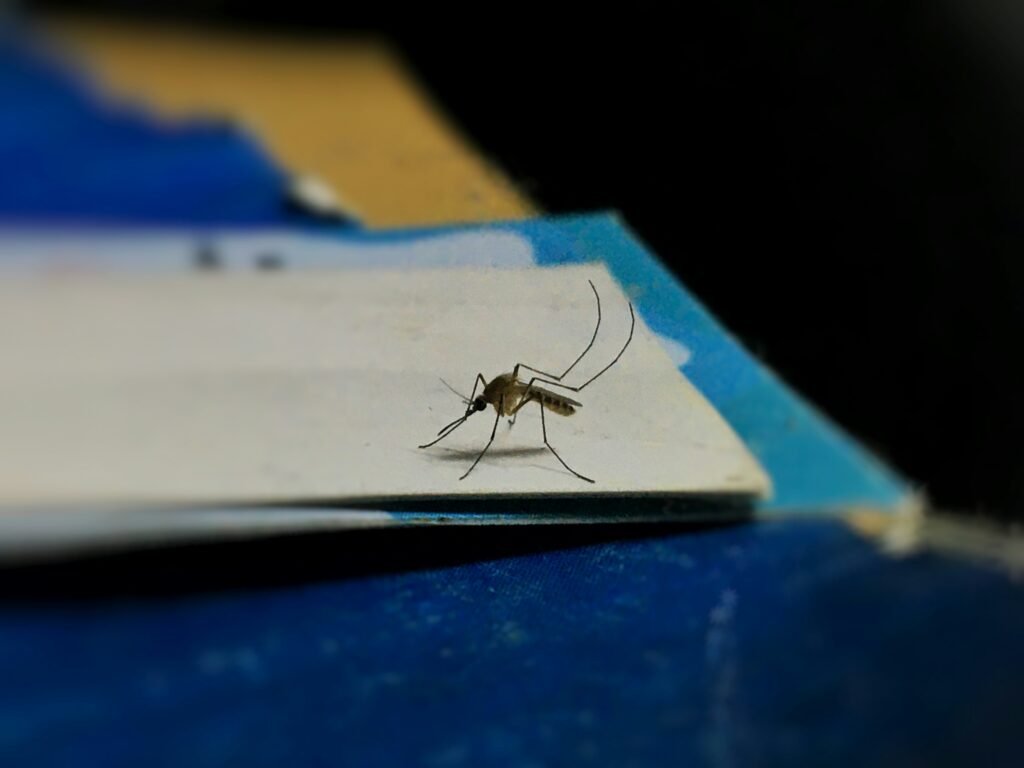
There are two main fogger types:
Thermal foggers heat the liquid insecticide to create a dense, visible fog. They cover large areas fast. However, they need gasoline or butane to run.
ULV (cold) foggers use air pressure to break the liquid into tiny droplets. They are quieter and easier to use. Many electric models are available for homeowners.
When Is the Best Time to Use a Mosquito Fogger?
Timing is everything with a mosquito fogger machine. Mosquitoes are most active at dawn and dusk. Fogging at dawn works slightly better. The cool air keeps the fog from rising too fast. This means mosquitoes are more likely to make contact with it.
Important note: Foggers do not have a residual effect. The protection fades once the fog clears, usually within a few hours. So, foggers are great for events, but not as a long-term solution.
4. Mosquito Misting System; Automated, All-Day Protection
A mosquito misting system is a permanent setup installed around your yard. Small nozzles are placed along fences, near patios, and around the perimeter. The system runs automatically at set times; usually early morning and at dusk.
Each spray cycle lasts about 30 to 45 seconds. The mist coats foliage and kills resting mosquitoes. Because the system runs on a schedule, it provides consistent, long-term protection.
Fogger vs. Misting System: Which Is Better?
| Feature | Mosquito Fogger | Misting System |
| Cost | $50–$200 (machine) | $1,500–$3,000+ (installed) |
| Protection Type | Temporary (hours) | Ongoing (daily) |
| Automation | Manual | Fully automated |
| Best For | Events, one-time use | Year-round yard control |
| Coverage | Large area at once | Tailored to yard layout |
| Ease of Use | You carry and operate it | Set-and-forget |
| Residual Effect | None | Yes, coats surfaces |
Bottom line: If you want immediate relief before an event, get a fogger. If you want daily, hands-free protection all season, a misting system is the better investment.
5. Mosquito Zapper: What You Need to Know First
A mosquito zapper (or bug zapper) attracts insects using UV light and then kills them with an electric charge. You have probably seen the satisfying blue flash at night.
But here is the truth. Bug zappers are not effective at killing mosquitoes specifically. Mosquitoes are attracted to carbon dioxide and body heat, not UV light. So, zappers actually kill more moths, beetles, and other bugs than mosquitoes.
Worse, they can kill beneficial insects that feed on mosquitoes, like dragonflies.
Should You Still Use a Zapper?
Yes; but use it the right way. Place your mosquito zapper away from your seating area. Aim it toward the edge of your yard, near wooded or grassy areas. Combine it with other methods for better results.
Newer models, like those from Dynatrap, add CO₂ attractants to pull in more mosquitoes. These work better than traditional UV-only zappers.
6. Mosquito Repellent Plants: A Beautiful and Natural Option
Planting the right plants around your yard can help push mosquitoes away. These mosquito repellent plants release natural scents that confuse or repel mosquitoes.
Here are the top plants that actually help:
| Plant | Why It Works |
| Citronella Grass | Contains citronellol, which masks CO₂ and body odor |
| Lavender | Strong floral scent that mosquitoes dislike |
| Marigold | Contains pyrethrum, used in commercial repellents |
| Basil | Emits strong oils that repel mosquitoes naturally |
| Lemon Balm | Contains citronellal, similar to citronella grass |
| Rosemary | Woody, strong scent that keeps many insects away |
| Catnip | Studies show it is as effective as low-level DEET |
| Peppermint | Strong smell disrupts mosquito sensory detection |
How to Get the Most From These Plants
Plant them near your patio, deck, or outdoor seating areas. Crush a few leaves between your fingers to release more scent. Keep in mind plants alone will not eliminate mosquitoes. But they add a nice natural layer to your overall defense.
7. Do Citronella Candles Actually Work?
This is one of the most searched questions about mosquito control. And the answer may surprise you.
Sort of; but with major limits.
Research from Iowa State University found that citronella candles reduce mosquito biting by about 40%. However, that only happens when you are standing directly in the smoke. When the smoke disperses, the protection disappears.
So, a citronella candle helps when you are sitting right next to it at a patio table. But it will not protect people standing a few feet away.
What About Citronella Torches and Lanterns?
Torches cover a wider area than candles. They burn longer too. Lanterns from brands like Thermacell use heat-activated mats instead of citronella. These create a scent-free protection zone with no smoke, no flame, and no DEET. Fuel-powered Thermacell models cover up to a 15×15 foot area (225 square feet). The rechargeable Radius model covers 110 square feet.
Thermacell lanterns are a better choice if you want reliable outdoor coverage. Citronella candles are fine for ambiance; but do not count on them as your main defence.
Key takeaway: Citronella candles work only at close range. Combine them with other methods for real protection.
8. Essential Oil Mosquito Repellent: What Science Actually Says
Many people prefer a natural mosquito repellent for yard use. Essential oils are a popular choice. But not all essential oils work equally well.
Here is what the science shows:
| Essential Oil | Effectiveness | CDC / EPA Approved? |
| Oil of Lemon Eucalyptus (OLE) | Up to 95% ; as strong as 20% DEET | Yes; CDC recommended |
| Catnip Oil | Matches 15% DEET at just 2% concentration | EPA registered |
| Clove Oil | 100+ minutes of protection in lotion form | Not officially registered |
| Cinnamon Oil | Strong repellent, but may irritate skin | Not officially registered |
| Citronella Oil | Up to 2 hours if properly formulated | Not officially registered |
| Lavender Oil | Mild repellent effect only | Limited scientific backing |
| Peppermint Oil | Works but evaporates very fast | Needs frequent reapplication |
The most important fact: Oil of Lemon Eucalyptus (OLE) is the only plant-based repellent the CDC recommends for areas with disease-carrying mosquitoes. It is also EPA-registered.
DIY Essential Oil Yard Spray Recipe
Want to make a homemade mosquito repellent for your yard? Here is a simple one:
- 15–30 drops of OLE or clove essential oil
- 2 tablespoons of witch hazel or apple cider vinegar
- 1 cup of water
Mix it in a spray bottle. Shake well before each use. Spray on clothing or outdoor furniture, not directly on skin in high concentrations.
Safety note: Do not use OLE on children under 3 years old. Avoid applying undiluted essential oils directly to skin.
9. Mosquito Patches and Stickers: Do They Really Work?
Mosquito patches and mosquito stickers are trending on social media. They are small adhesive patches infused with essential oils. You stick them to your clothes, and they supposedly create a protective scent field.
But do they work?
The honest answer is ‘not very well on their own’.
The Federal Trade Commission (FTC) fined at least one wristband maker for making false protection claims. The National Institutes of Health (NIH) also reviewed the evidence and found that vitamin B1 patche; a common type; aren’t effective repellents.
However, patches made with natural ingredients like citronella and geraniol do show some effect. One study found that natural-ingredient patches were 2 to 3 times more effective than synthetic versions. The best patches can reduce bites; but they should not replace a proper spray or lotion.
Best use case for patches: Use them on children’s clothing as an extra layer. Do not rely on them as your only protection.
10. Mosquito Repellent for Outdoor Use; Wearable and Portable Options
Yard-wide methods protect your space. But occasionally you need personal protection too. This is where mosquito repellent outdoor products come in. These are tools you wear, carry, or place near your body while spending time outside.
Here are the best portable options:
DEET-based sprays and lotions are the most effective personal protection. DEET at 20–30% concentration gives you 4 to 8 hours of protection. It is the most tested repellent on the market. The CDC recommends it for disease-risk areas.
Picaridin-based products are a popular DEET alternative. They are odourless, non-greasy, and safe for skin and clothing. Studies show that picaridin at 20% matches 20% DEET in effectiveness. It is gentler on sensitive skin.
Thermacell portable repellers use a heat-activated mat to release metofluthrin into the surrounding air. No sprays, no skin contact needed. The standard fuel-powered model covers up to a 15×15-foot area. The rechargeable Radius model covers 110 square feet. These are ideal for patio tables and campsites.
Clip-on fan repellers attach to a belt or chair. They use a slow-release repellent cartridge. However, their coverage zone is small; usually just around your body. They work better in still air.
Mosquito coils and incense sticks offer a natural outdoor option. They use cedarwood, lemongrass, citronella, and rosemary oils. Each stick gives about 2 to 2.5 hours of protection. Place them near your seating area for a scent buffer zone.
Which Personal Outdoor Repellent Is Right for You?
| Product Type | Best For | Protection Time | Skin Contact? |
| DEET Spray / Lotion | High-risk areas, heavy exposure | 4–8 hours | Yes |
| Picaridin Lotion | Sensitive skin, everyday use | 4–8 hours | Yes |
| Thermacell Portable | Patios, campsites, fixed spots | 12 hours per refill | No |
| Clip-on Fan Repeller | Quick outings, light activity | 4–12 hours | No |
| Natural Incense Sticks | Casual outdoor seating | 2–2.5 hours | No |
Note: For high-risk mosquito disease areas; like parts of the Gulf Coast, Florida, and tropical travel destinations; always use an EPA-registered repellent. DEET, picaridin, or OLE are your safest options.
11. Larvicide and Mosquito Dunks; Stop Mosquitoes Before They Hatch
Most mosquito control methods target adult mosquitoes. But there is a smarter move. Kill mosquitoes before they ever grow up. That is what larvicides does.
Mosquitoes lay their eggs in standing water. Sometimes you can drain that water. But what about bird baths, koi ponds, decorative fountains, rain barrels, or gutters? You cannot simply empty those. That is where Mosquito Dunks come in.
What Are Mosquito Dunks?
Mosquito dunks are small, doughnut-shaped discs that float on water. They contain a naturally occurring bacterium called Bacillus thuringiensis israelensis (Bti). When mosquito larvae eat the Bti, they die within 24 hours; before they can become biting adults.
Here is why Bti is so impressive:
- It is EPA-registered and safe for humans, pets, birds, fish, and wildlife
- It does not harm beneficial insects like dragonflies, honeybees, or beetles
- It controls mosquito larvae for up to 30 days per dunk
- One standard dunk treats up to 100 square feet of water surface area
- It can be broken into smaller pieces for bird baths and small containers
Where to Use Mosquito Dunks
Place them in any standing water source you cannot drain:
- Bird baths and decorative ponds
- Koi ponds and water features
- Rain barrels and collection tanks
- Clogged gutters (after clearing the blockage)
- Old tires, plant saucers, and flower pot trays
- Unused swimming pools and hot tubs
Pro tip: Use Mosquito Dunks alongside your yard spray. The spray kills adult mosquitoes. The dunks kill the larvae. Together, they break the full mosquito life cycle.
12. The Layered Mosquito Defense Strategy
No single product can do it all. The most effective approach is to stack multiple methods together.
Think of it like building a wall around your yard. Each layer adds protection.
Here is the recommended defense stack, from the ground up:
Layer 1; Eliminate Breeding Sites (Most Important) Remove all standing water. Empty flowerpots, bird baths, gutters, and old tyres. Mosquitoes can breed in water as small as a bottle cap.
Layer 1b; Use Mosquito Dunks Where You Cannot Drain Drop a Bti dunk into birdbaths, koi ponds, and rain barrels. This kills larvae before they become adults.
Layer 2; Apply a Yard Barrier Spray Treat your lawn, shrubs, and shaded areas every 3 to 4 weeks with a yard spray. This kills resting adult mosquitoes.
Layer 2b; Add Granules Between Spray Applications Sprinkle mosquito repellent granules on lawn edges and garden beds. They extend your protection window between spray treatments.
Layer 3; Use a Fogger or Misting System Add a fogger before events. Or install a misting system for daily, automated protection.
Layer 4; Plant Natural Repellents Add citronella grass, lavender, and marigolds around your seating areas. These add a passive, chemical-free layer.
Layer 5; Use Personal Repellent: Apply DEET, picaridin, or OLE-based repellent to exposed skin. This is your last line of personal defense.
Layer 6; Add a Zapper (Optional) Place a bug zapper at the edge of your yard to reduce nearby populations.
This combination approach gives you the best chance of enjoying a mosquito-free yard all season long.
13. Are These Methods Safe for Kids, Pets, and Bees?
This topic is an important question. Here is a quick safety guide:
For children:
- Avoid DEET on infants under 2 months old.
- Use 10–30% DEET formulas on older children. Do not apply to hands or near eyes.
- OLE-based repellents should not be used on children under 3.
- Mosquito patches can be applied to clothing safely.
For pets:
- Permethrin-based sprays are toxic to cats. Keep cats away from treated areas until fully dry.
- Dogs tolerate permethrin better, but do not let them lick treated surfaces.
- Look for pet-safe yard sprays that use plant-based ingredients like clove or lemongrass oil.
For bees and beneficial insects:
- Pyrethroid foggers kill bees. Never fog near blooming flowers.
- Botanical sprays are safer for pollinators. Apply in the evening when bees are less active.
- Avoid spraying near ponds or water features; insecticides can harm aquatic life.
14. US Mosquito Season: When to Start Each Method
| US Region | Mosquito Season | Start Yard Spray | Start Misting |
| Gulf Coast (TX, FL, LA) | February – November | February | March |
| Southeast (GA, SC, NC) | March – October | March | April |
| Midwest (IL, OH, MO) | May – September | May | May |
| Northeast (NY, PA, NJ) | May – September | May | May |
| Pacific Northwest | June – August | June | June |
| Southwest (AZ, NM) | July – September | Late June | July |
Start your yard spray treatment 2 weeks before mosquito season begins in your region. This treatment kills early-season populations before they breed.
Frequently Asked Questions (FAQs)
Q: What is the best mosquito repellent for outdoor use? For yard-wide coverage, a hose-end spray with pyrethrin or permethrin works best. For personal protection, use an EPA-registered product with DEET, picaridin, or oil of lemon eucalyptus (OLE).
Q: Do citronella candles work to keep mosquitoes away? Only at close range. They reduce biting by about 40% when you are directly in the smoke. For better results, use a Thermacell lantern or combine candles with yard spray.
Q: How long does a mosquito yard spray last? Most sprays last between 3 and 12 weeks. Natural botanical sprays wear off faster; usually within 2 weeks. Rainfall and heat can also shorten effectiveness.
Q: Are mosquito foggers safe for pets? It depends on the formula. Let the fog settle and fully dry before pets re-enter the yard. Avoid permethrin products around cats. Choose plant-based fogger solutions if you have pets.
Q: What plants keep mosquitoes away? The best options are citronella grass, lavender, marigold, catnip, basil, and rosemary. Plant them near seating areas and crush the leaves to release more scent.
Q: Do mosquito patches and stickers really work? They offer some protection; but not enough on their own. Natural ingredient patches with citronella or geraniol work best. Use them as a supplement to sprays and lotions, not a replacement.
Q: What is the most effective outdoor mosquito repellent system? A combination of a yard barrier spray plus an automated misting system gives the most consistent protection. Add repellent plants and personal repellent for a fully layered defense.
Final Thoughts
After years of testing products and reading the research, here is what I know for certain. There is no magic bullet for mosquito control. I learnt that the hard way across two summers of chasing single-product fixes.
Citronella candles for one year. A bug zapper is next. Neither came close to solving the problem on its own.
The true breakthrough occurred when I shifted my perspective on mosquito control from a single product to a comprehensive system. Once I combined Bt dunks in our birdbath, a botanical yard spray every three weeks, and a personal repellent for the kids, the difference was night and day.
Start with water. Standing water is where every mosquito begins its life. Drain what you can and drop a Bti dunk in everything else. That one step alone will cut your mosquito population more than any spray ever could.
Then build your layers from there. A yard spray handles resting adults. Granules extend your protection window. A fogger gives immediate relief before a cookout. Plants and candles add passive support on top of everything else.
You do not need to do all of these tasks at once. Start with the basics; water removal, a barrier spray, and a personal repellent. Then add layers as your budget allows.
The goal is to disrupt mosquitoes at every stage of their life. Do that consistently, and your yard becomes a place your family actually wants to be again. That is the whole goal; and now you have everything you need to make it happen.