
Earwigs in the House: What They Are, Whether They Bite, and Why They Show Up Indoors
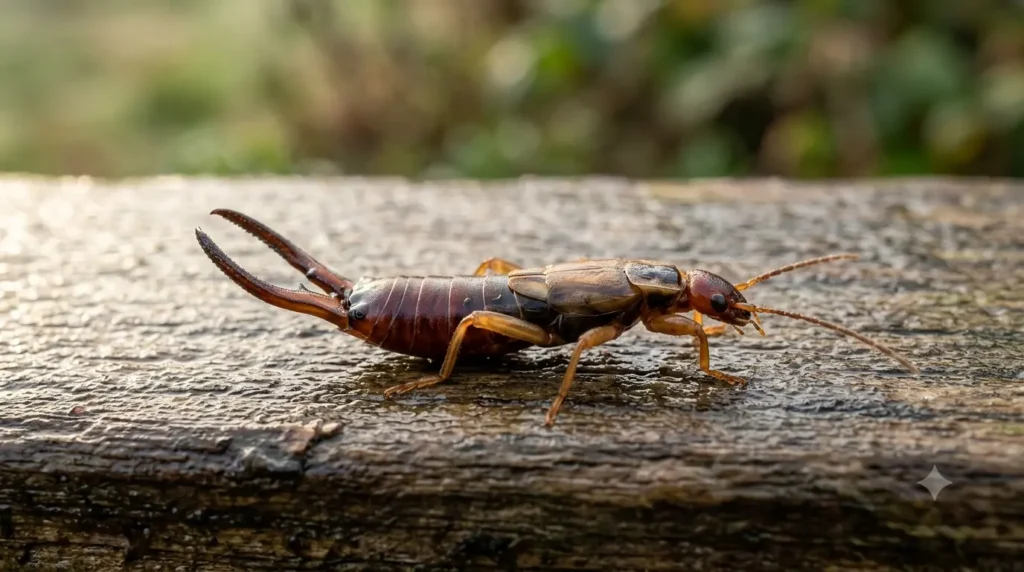
It was 11:47 at night when a homeowner in Ohio called us about a dark, fast-moving insect with claws on its back end. She thought it came from the drain, convinced her house was infested, and had not slept properly in two days. That insect was an earwig; and her reaction is one we hear more than almost any other during summer.
We have spent years helping homeowners identify and deal with earwig problems, and the biggest issue is never the bug itself. It is the fear that grows in the gap between what people imagine this insect is and what it actually is. This guide closes that gap; covering what earwig bugs are, whether they really bite, why they show up indoors, and what finding one actually means for your home.
At a Glance; Quick Answers If You Are in a Hurry:
- Earwigs are small, flat, brown insects with pincers at the tail end
- They do not bite; they pinch with those pincers if threatened, and the pinch is mild
- They come indoors chasing moisture, warmth, or light; not to invade your home
- One earwig inside does not mean an infestation
- They carry no venom and spread no disease
- They do not reproduce indoors
If you want the full detail behind any of those answers, keep reading. Every section below is worth your time.
What Is an earwig bug? A Simple Identification Guide
An earwig is a small, flat insect. It belongs to the scientific order Dermaptera, which means “skin wings”. Most people never see the wings, though. Earwigs rarely fly.
The most noticeable feature? The pair of pincers at the tail end of the body. These are called cerci. They look alarming, but more on that in a moment.
Here is what a house earwig typically looks like:
- Size: ¼ to 1 inch long
- Color: Reddish-brown to dark brown, sometimes with yellowish legs
- Body shape: Long, narrow, and very flat; perfect for squeezing into tight spaces
- Legs: Six
- Antennae: Long, thin, and threadlike, roughly half the body length
- Wings: Two pairs, folded under short leathery front wings. Rarely used.
- Pincers (cerci): Curved and prominent at the tail end
You may also hear earwigs called pincher bugs or pincer bugs. Both nicknames come from those distinctive cerci. There are more than 20 species found in the United States. The one you are most likely to see indoors is the European earwig (Forficula auricularia). It arrived in North America around 1907 and has spread widely across the country since.
Male vs. Female Earwig: How to Tell Them Apart
This is something most people never think to ask. But it is actually easy to identify the sex of an earwig just by looking at the pincers.
Male earwigs have pincers that are strongly curved, almost like a pair of tongs. They are wide apart at the base.
Female earwigs have pincers that are straighter and run more parallel to each other.
That is the simplest way to tell them apart at a glance. The pincers serve different purposes for each sex. Males use them more aggressively in defence and during mating. Females use theirs mainly for protection.
What Do Baby Earwigs Do? Look like? Identifying Earwig Nymphs
If you found a tiny earwig-looking insect and are not sure what it is, there is a good chance it is a nymph; a baby earwig.
Baby earwigs look almost identical to adult earwigs. They have the same flat, narrow body shape and the same pincers at the tail end. The main differences are size and color; nymphs are much smaller and usually paler, ranging from cream to light brown rather than the darker reddish-brown of adults.
Earwigs go through five moults before reaching adulthood. Each stage looks progressively more like a fully grown earwig. This process is called incomplete metamorphosis, meaning there is no pupal or cocoon stage like a butterfly has.
Earwig eggs hatch in early spring, usually April or May. Nymphs emerge from underground nests and begin moving around by late May to early June. By late June or early July, they have moulted enough times to reach full adulthood.
If you are seeing small, pale earwig-like insects inside from late May through June, they are most likely nymphs. This usually means there is an outdoor colony very close to your foundation. Finding nymphs indoors is a stronger signal to check your home’s perimeter for moisture, mulch build-up, or entry gaps than finding a single adult.

Do Earwigs Bite? The Truth About Bites and Pinches
This is the most common question people have. And the answer needs a little explaining.
Technically, earwigs do not bite. A true insect bite comes from mouthparts, like a mosquito piercing your skin. Earwigs do not use their mouths on humans.
What earwigs can do is pinch. They use their cerci to defend themselves when they feel threatened. If you pick one up or accidentally corner one, it may grab your skin with those pincers.
So when people search “earwig bite,” what they usually mean is an earwig pinch. Here is what makes a pinch most likely to happen:
- You pick one up with your bare hand
- You accidentally press one against your skin
- You reach into a dark space where one is hiding
Earwigs will not chase you. They will not attack without reason. They pinch only when they feel cornered or threatened. If you leave them alone, they will almost certainly leave you alone too.
One important fact: Earwigs have no venom. A pinch cannot poison you. It is not like a bee sting or a spider bite. The worst realistic outcome is a small red mark that fades within an hour or two.
What Does an Earwig Pinch Look Like? Symptoms and First Aid
Most earwig pinches feel like a brief, sharp squeeze. For most people, it passes quickly, and the discomfort is mild.
What you might notice at the site:
- Two small red marks, spaced a short distance apart; one from each pincer
- Slight redness or mild swelling around the area
- Minor irritation that fades within an hour or two
- In rare cases, a small amount of bleeding if the pincers break the skin
How is this different from other insect bites?
A mosquito bite leaves one small puncture wound with a raised, itchy welt. A spider bite often shows two close puncture points with a hot, painful welt that grows larger over time. An earwig pinch leaves two marks that are farther apart and does not typically itch the same way.
What to do if an earwig pinches you:
- Wash the area right away with soap and warm water.
- Apply an antiseptic to the area.
- If the skin is broken, use an antibiotic cream. Earwigs live in soil, so there is a small chance of bacteria getting into the wound.
- Cover with a bandage if needed.
- Watch for unusual swelling, spreading redness, or signs of infection over the next 24 to 48 hours.
Can you have an allergic reaction? It is very rare. But if you notice severe swelling, hives, or trouble breathing after a pinch, seek medical attention right away. In general, there are no known cases of an earwig pinch requiring emergency care. These are nuisance pests, not medical threats.
Why Are Earwigs in Your House? The Real Reasons
Finding earwigs in the house can feel random. It is not. There are very specific reasons they come inside, and understanding them makes prevention much easier.
Moisture is the biggest factor. Earwigs need damp environments to survive. They are drawn to leaky pipes, condensation under sinks, wet basements, and damp bathroom floors. If your home has a moisture problem anywhere, earwigs will find it.
Outdoor lights attract them at night. Earwigs are nocturnal. They come out after dark and move naturally toward bright light sources. Porch lights and floodlights near doors and windows pull them directly to your home’s entry points.
They squeeze through tiny gaps. An earwig can fit through a gap as small as 1/8 of an inch. Cracked door frames, gaps in window screens, and spaces around pipes are all easy entry points for a flat-bodied insect like this one.
They hitchhike inside accidentally. Earwigs hide inside potted plants, under firewood, in stacks of wet newspaper, and inside cardboard boxes. When you bring those items indoors, earwigs can come along without you ever noticing.
They are thigmotactic. This is a scientific term worth knowing. It means earwigs actively seek tight, enclosed spaces. They are not wandering randomly; they are drawn toward snug crevices. Wall gaps, pipe openings, and cluttered corners feel safe and appealing to them by instinct.
Pheromones bring in more. Earwigs release chemical scents that attract other earwigs to the same location. So if one earwig finds conditions it likes inside your home, that scent can gradually pull others in over time. This is why you sometimes find several clustered in the exact same spot.

Earwig Season: When Are They Most Active Indoors?
Earwigs follow a clear seasonal cycle. Understanding it helps you know exactly when to expect them and why they behave the way they do.
Fall; Mating Season. In autumn, male and female earwigs mate and build small burrows together in the soil. As temperatures drop, they dig deeper underground to survive the cold.
Winter; Dormant Underground. Most earwigs spend winter in underground nests and are largely inactive. You are very unlikely to see earwigs indoors during winter unless a heated basement or crawlspace is drawing them in from a nearby nest.
Spring: Egg Laying and Hatching. In early spring, the female forces the male out of the burrow and lays a batch of 30 to 60 eggs. The eggs are small, oval, and pearly white. The female guards them with remarkable care; earwigs are one of the very few insects that display true maternal behaviour, cleaning and protecting the eggs until they hatch in April or May.
Late Spring: Nymphs on the Move. Nymphs emerge from nests between late May and early June and begin moving through soil, leaf litter, and garden debris. This is when earwigs first start getting close to home foundations.
Summer: Peak Activity and Indoor Invasions. Adult earwigs are fully active from late June through October. July and August are the peak months for indoor invasions across most of the USA. Hot, dry conditions outdoors push earwigs toward the cooler, damper environment inside your home.
| Season | What Earwigs Are Doing |
| Fall | Mating, building burrows |
| Winter | Dormant underground |
| Early Spring | Female laying and guarding eggs |
| Late Spring | Nymphs hatching, moving through soil |
| Summer; Peak | Adults foraging, entering homes |
| Late October | Activity slowing, retreating underground |
If you see a surge of earwigs indoors in July or August, that is entirely normal seasonal behaviour, not a sign that your home has a permanent problem.
You Found One Earwig Inside; Should You Be Worried?
This is one of the most common anxious searches people make about this insect. And the answer is genuinely reassuring.
Finding one earwig in your house is usually not a sign of an infestation. A single earwig is most likely a wanderer. It came in through a small gap or hitchhiked on something you brought indoors, and it is not setting up a colony anywhere in your walls.
Here is the key fact most people do not know: earwigs do not reproduce indoors. They need specific outdoor soil conditions to lay eggs and raise young. One earwig in your bathroom is almost certainly lost, alone, and looking for a way back out.
When should you start paying closer attention?
- You find multiple earwigs in the same area repeatedly
- They keep appearing near a sink, drain, or pipe
- You spot them consistently in a damp basement corner
If that pattern is happening, the earwigs are signaling a moisture issue in your home; not necessarily a full pest infestation. Fix the moisture source and the earwigs will have no reason to stay.
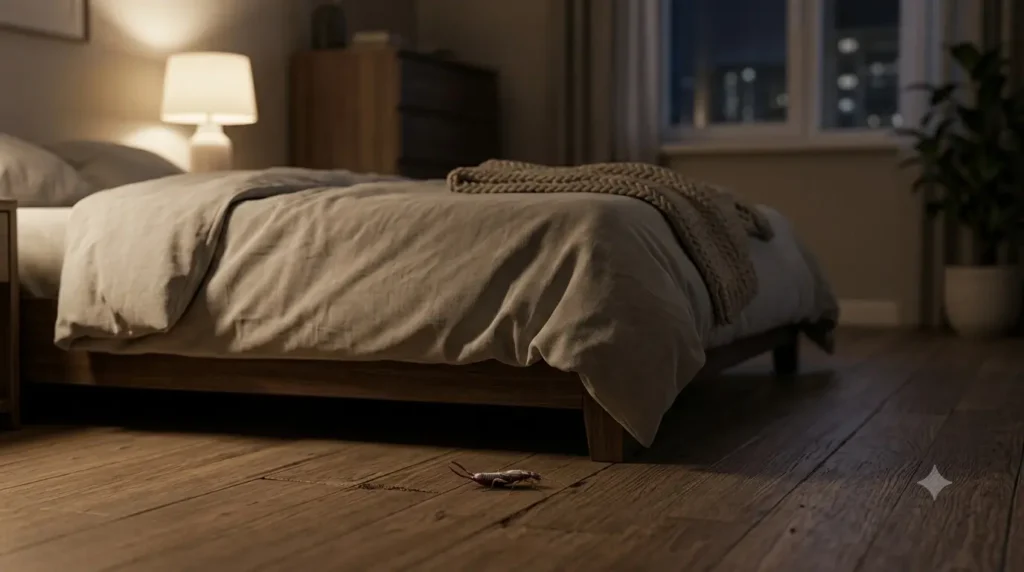
Found an earwig in your bed or bedroom?
This is the scenario that sends people into a full panic. Waking up and finding an earwig in your bedroom feels deeply unsettling. But here is what the facts actually show.
Earwigs do not seek out humans. They are not attracted to you, your body heat, or your bed the way bedbugs or fleas are. If an earwig is in your bedroom, it wandered there while searching for moisture or a hiding spot and ended up in the wrong room entirely.
They will not pinch you while you are sleeping. Earwigs do not target people at rest. The only realistic scenario for a pinch is if you accidentally pressed one against your skin, which is extremely unlikely during normal sleep.
Why might one reach a bedroom? It usually means moisture is present somewhere in the home’s structure. A damp basement or crawlspace below can create a pathway, and earwigs work their way upward through wall gaps or cracks in the floor.
Remove the earwig and check nearby areas for moisture. Look under furniture, in closet corners, and around any pipe areas nearby. If you find several, a pest control professional can inspect for moisture pathways through the structure.
The “Earwig Crawls in Your Ear” Myth: What Is True and What Is Not
Let us talk about the name. It is the single biggest reason so many people are afraid of this insect before they have ever even seen one up close.
The word “earwig” comes from Old English. “Ēare” means “ear” and “wicga” means “insect” or “beetle”. The name connects to a mediaeval European belief that earwigs crawled into the ears of sleeping people and bored directly into the brain.
That belief was never true. It is folklore, not science, and there is no documented medical evidence that earwigs purposely seek out human ear canals. There are two rare, anecdotal cases in the scientific literature of earwigs being found inside an ear; both were accidents, not intentional entry.
Interestingly, some entomologists believe the name “earwig” actually refers to the shape of the hindwing when unfolded, which resembles the outline of a human ear. That theory is far less dramatic but probably far more accurate. Either way; sleeping near earwigs carries no brain-boring risk. That fear belongs to mediaeval history, not your bathroom floor.
Are Earwigs Dangerous to Pets, Kids, or Your Garden?
For children: Earwigs carry no venom and no disease. A child who picks one up might get a brief, mild pinch; that is genuinely the full extent of the risk. Teaching kids not to handle them eliminates even that minor concern entirely.
For pets: If your dog or cat pokes an earwig with its nose, a nose-tip pinch is possible but causes no lasting harm. Earwigs carry no toxins, so a dog or cat that eats one will be completely fine, though the defensive odor the earwig releases may not appeal to them.
The earwig’s defensive smell: When threatened, earwigs release a yellowish-brown liquid from glands near their tail end. This secretion has a foul, unpleasant odor and is a chemical defence mechanism to repel predators. It is not venom and causes no harm; it just smells bad.
For gardens: This is where earwigs cause the most real damage. They feed on seedlings, soft flower petals, and tender leaves, and common targets include marigolds, dahlias, hostas, strawberries, and corn silk. However, earwigs also eat aphids, mites, and other small pests; so in small numbers outdoors, they can actually benefit a garden.
What Do Earwigs Eat When They Get Inside Your Home?
Outdoors, earwigs eat plant material, other insects, decaying organic matter, and fungi. Indoors, their options become more limited; but they are opportunistic and will eat whatever they find.
Houseplants are the most common indoor food source. Earwigs chew on soft leaves and roots of potted plants, and irregular holes in plant leaves at night can be a sign of their activity. Vegetables and fruit left on a counter or in an open basket also attract them, particularly anything soft and moist.
Decaying organic matter around sink drains, under appliances, or in indoor compost bins appeals to them strongly. They will also eat other small insects like mites, springtails, and small flies; making them accidental pest controllers in some cases. In heavily infested homes, the European earwig has been documented feeding on pantry staples like flour, bread, and oats if it gains access.
The important thing to know is that earwigs do not feed on wood, fabric, carpets, or structural materials. They will not damage your home the way termites or carpenter ants can. Their indoor diet is limited to organic food sources, and without the moisture conditions they need, they rarely sustain themselves inside for long.
Frequently Asked Questions
Are earwigs dangerous to humans? No. Earwigs carry no venom and spread no disease. A pinch from their cerci can cause brief, mild discomfort but rarely breaks the skin. They are a nuisance pest, not a health threat.
What attracts earwigs to my house? Moisture is the primary draw. Earwigs also move indoors when outdoor temperatures become too extreme, when outdoor lights pull them toward entry points at night, or when they hitchhike inside on plants, firewood, or cardboard boxes.
Can earwigs bite my dog or cat? An earwig can pinch a pet on the nose or face if the pet gets too close. The pinch causes no lasting harm. Eating an earwig is also harmless since earwigs carry no venom or toxins.
Do earwigs reproduce inside the house? No. Earwigs need outdoor soil conditions to lay eggs and raise nymphs. They do not establish colonies inside homes under any normal circumstances.
What does an earwig pinch mark look like? It typically appears as two small red marks spaced slightly apart; one from each pincer. The area may be mildly red or swollen. It does not look like a mosquito bite (one raised welt) or a spider bite (two close punctures with a growing welt).
Why do earwigs smell? When threatened, earwigs release a foul-smelling yellowish liquid from glands at the end of their abdomen. This is a purely defensive secretion; not venom. It smells unpleasant to predators and to humans nearby.
Can earwigs damage my home’s structure? No. Earwigs do not chew wood, burrow into walls, or damage structural materials. They are not like termites or carpenter ants. The only indoor damage they may cause is to houseplants or exposed food items.
What time of year are earwigs most common indoors? July and August are the peak months for earwig indoor invasions across most of the United States. Earwigs are active from late June through October. Outdoor heat and dry conditions during summer push them toward the cooler, damp interior of homes. Activity slows significantly by November.
The Bottom Line; What Years of Dealing With Earwigs Has Taught Us
After years of pest inspections and homeowner consultations, one thing stands out clearly about earwigs. Almost every person who contacts us overestimates the threat by a wide margin. Those pincers trigger a fear response, the name makes things worse, and finding one at 2am is not a moment that invites calm thinking.
But experience in this field consistently shows the same truth. Earwigs are information pests more than they are danger pests. The earwig itself is rarely the problem; what it is telling you about your home is what actually matters.
In the vast majority of cases we have seen, indoor earwig activity traces back to three things. A moisture source the homeowner did not know existed, a gap in the foundation or around a pipe that was never sealed, or a simple habit like firewood stacked against the house or mulch piled against the siding. Fix those conditions and the earwigs stop showing up; every single time.
If you found one earwig, remove it and check nearby damp areas. That is genuinely all you need to do in most cases. If they keep appearing in the same spot, that spot is signaling a moisture or entry-point issue that is worth investigating.
If you are finding large numbers and cannot trace the source, that is the right time to call a licensed pest control professional. Not because earwigs are dangerous, but because a recurring moisture problem left unaddressed can cause real structural damage over time; the earwig is simply the visible flag.