Mosquito Larvae & Eggs: The Complete Life Cycle Guide + Dangerous Species Found Near Homes
Mosquito Egg Raft and Egg Laying Behavior
Working in outdoor pest environments over the years, I’ve spotted that unmistakable speck of soot floating on stagnant water more times than I can count a mosquito egg raft, small enough to miss and significant enough to seed an entire colony.
Species like Culex quinquefasciatus construct these rafts by binding 100 to 300 eggs some deposits holding as many as 250 mosquito eggs, into a single floating mass measuring roughly 1/4 inch long and 1/8 inch wide.
The female mosquito lays this egg raft at night, repeating the process every third night across her life span, always targeting sheltered fresh water or stagnant water protected from wind by grass and weeds, choosing breeding water in tin cans, barrels, horse troughs, ornamental ponds, swimming pools, puddles, creeks, ditches, catch basins, and marshy areas with a consistency that should concern every homeowner.
Not every mosquito larvae lays in rafts, and understanding the species-specific laying differences reveals how broadly these insects have distributed their egg placement strategies. Anopheles mosquitoes scatter eggs singly on the water surface, while Aedes and Ochlerotatus deposit theirs singly on damp soil and at the base of plants in spots likely to fill with water, producing egg clusters far more resistant to drying out some requiring complete drying out before they will hatch.
These Aedes and Ochlerotatus eggs only activate once flooded with water through high tides, salt water, irrigated pastures, treeholes flooded by rains, or flooded stream bottoms. On the opposite end, Anopheles, Culex, and Mansonia eggs are highly vulnerable to extended droughts and cannot wait through dry conditions the way Aedes can.
Up close, mosquito eggs are nearly impossible to spot without practice — tiny, dark, oval specks no more than 1mm long and barely visible to the naked eye, yet built with extraordinary resilience. Depending on the species, eggs are deposited either individually along water edges or in clustered rafts floating on the surface of standing water.
What surprises most people is just how viable these eggs remain in completely dry conditions for months and, in some cases, years, functioning as biological time capsules locked into a survival strategy tied to precise flooding conditions. Drought-resistant eggs will not respond to just any moisture trigger; they wait for the specific natural hatching conditions that signal a stable enough water source to support the full mosquito larvae stage that follows.
When conditions finally align, whether through intermittent flooding, seasonal flooding, or a heavy rain soaking damp soil, most mosquito eggs hatch within 24–48 hours as tiny mosquito larvae at the 1st instar burst out nearly in unison from water edges and egg placement sites.
The dormant embryo of certain species, armed with remarkable desiccation resistance, can hold its breath for several years across multiple overwintering stages without losing egg viability, a biological patience that directly explains the population explosions following heavy rains. Mosquitoes in colder climates routinely overwinter in the egg stage, while others carry through cold seasons as mosquito larvae or as adult mosquitoes, each strategy shaped by species-dependent timing optimised to align with the seasonal flooding and water exposure cycles of their native environment.
Mosquito Larvae in Water: Growth, Feeding, and Defense
Once you know what mosquito larvae in water look like, you’ll never miss them again. Commonly called wigglers — and wrigglers — for their worm-like appearance and characteristic swimming motion, mosquito larvae live entirely in water from 4 to 14 days, with water temperature controlling that development window.
They hang heads down near the water surface, drawing oxygen through a breathing tube called a ‘syphon’ that punctures the water surface tension to pull air from above, making motile larvae permanently upside-down at the waterline in a suspended, head-down aquatic phase. These mosquito larvae are simultaneously important food for dragonfly nymphs, fish, and other freshwater animals, placing them at the centre of the aquatic food chain even as they develop into the insects that make summer miserable.
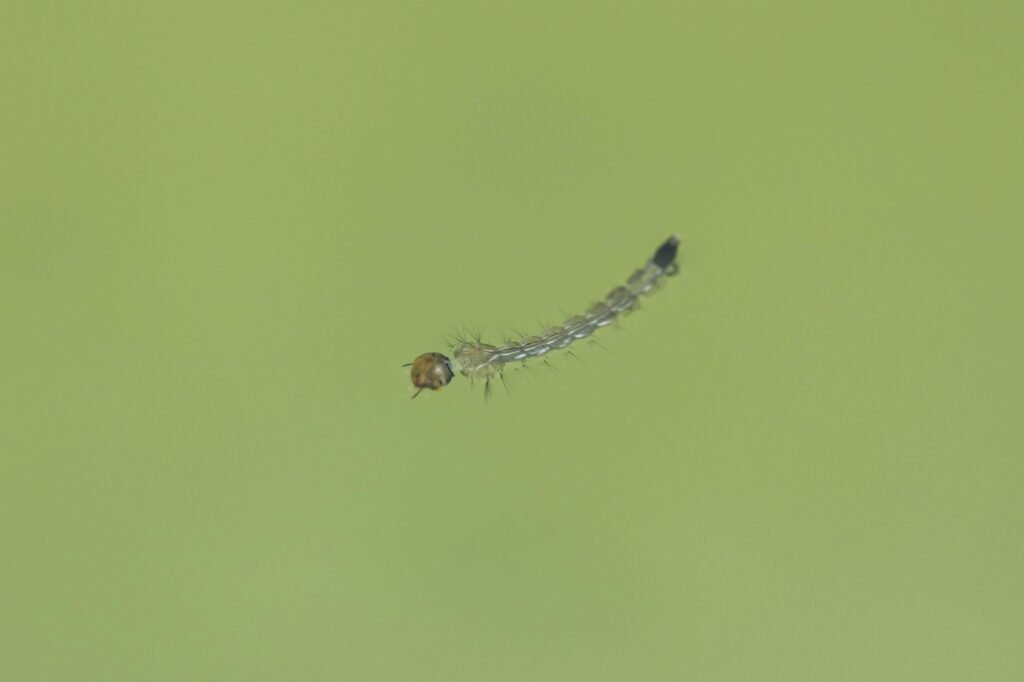
Certain species have pushed the breathing tube adaptation even further: Coquillettidia and Mansonia larvae possess modified syphons that pierce the stems of emergent vegetation in water, drawing oxygen directly from the plant and bypassing the water surface entirely.
As for feeding, mouth-brushes work continuously, filtering algae, plankton, fungi, bacteria, and other microorganisms toward the mosquito larvae’s mouth to nourish the growing larvae through the intense energy demands of maturation. Some species stay in the upper portions of water, filtering the surface layer, while others actively swim to the lower portions for bottom feeding before wiggling back up to breathe – consuming organic debris, organic matter, and aquatic microorganisms without pause as relentless filter feeders processing microscopic particles throughout every waking moment of their mosquito larvae existence.
Mosquito larvae grow through 4 larval stages called instars, each ending with molting the shedding of the exoskeleton and exterior covering to allow the next phase of growth. Comparable in structure to the caterpillar stages of butterflies, each instar is a distinct developmental checkpoint shaped by a combination of variables including food availability, water temperature, and day length influence on development timing.
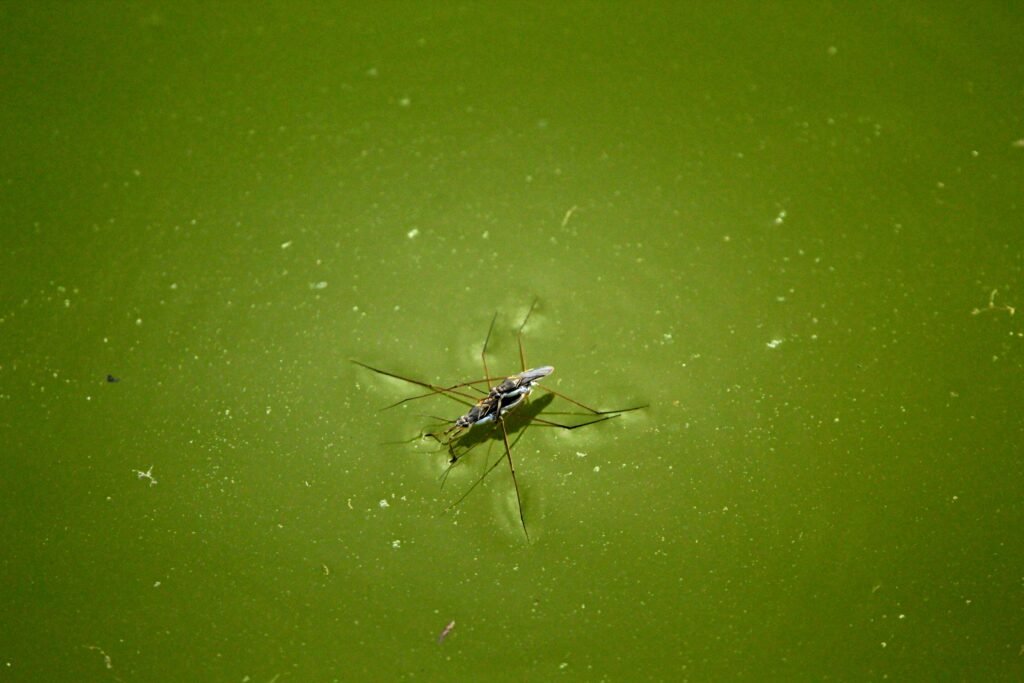
The type of mosquito also determines the pace, with some species completing these growth stages in just 4 days under optimal conditions while others take the full 14 days or beyond. By the 4th instar, the mosquito larvae has grown to nearly 1/2 inch approximately 5mm in length before feeding ceases entirely and exoskeleton molting transitions it into the pupal stage.
When alarmed by predators or physical disturbances, mosquito larvae execute an immediate S-shaped motion dive into deeper water a defense mechanism refined over generations as a pure reflex for danger avoidance. In some habitats, the threat comes from within: Toxorhynchites and Psorophora, the largest mosquitoes known — are openly cannibalistic, actively preying on mosquito larvae of other species sharing the same breeding water.
This internal predator pressure naturally limits larval density in specific ecosystems, though it does nothing to slow the growth phase in the countless standing water sources around homes. The mosquito larvae stage is widely recognised as the single most accessible point in the mosquito colony cycle for control, and targeting it through standing water elimination before the mosquito larvae advance is the most direct form of larval control available to any homeowner without specialized equipment.
The Pupal Stage: Transformation Inside the Pupal Case
After the final mosquito larvae molt, mosquito pupae enter a stage that looks like rest from the outside but is anything but still within. Commonly called tumblers, pupae are lighter than water and naturally float at the water surface, shaped like a comma with large heads, enclosed in a protective shell the pupal case that functions as a biological factory for total physical restructuring.
Breathing shifts from the mosquito larvae siphon to two short structures known as trumpets, through which the pupa draws oxygen without leaving the water surface. This is a strict non-feeding stage — the pupa does not eat through its full 1 to 4 day duration, and the transformation happening inside bears comparison to a butterfly’s cocoon: complete, irreversible, and far more active than the still exterior suggests.
What makes mosquito pupae immediately recognisable is their extreme sensitivity to the world around them. Light, passing shadows, and physical disturbances all trigger an immediate jerking, tumbling motion – the signature rolling escape movement that sends the pupa diving toward protection in deeper water before it floats back to the water surface.
This pupal sensitivity is a survival reflex, and the light sensitivity of this stage is so acute that even small ripples trigger repeated tumbling action. The pupa remains physically active in this way across its 1.5 to 4-day duration, responding constantly to environmental cues even as the interior undergoes the most comprehensive metamorphosis in the entire mosquito life cycle.
Inside the pupal case, every mosquito larvae structure is actively metamorphosing into an adult structure — wings, legs, and reproductive organs are all forming and reaching maturity in a compressed window of physical transformation. When this adult body formation is complete, the skin splits along the back, and the newly formed adult mosquito slowly emerges, stepping onto the water surface to rest while its body dries and hardens.
This process is not instant — the newly emerged adult needs approximately 12–14 hours before its body is fully developed and its wings are capable of flight, making this the one window in the mosquito colony cycle where the newest recruit is physically vulnerable and most accessible before it joins the colony permanently.
Adult Mosquitoes: Behavior, Species, Biting, and Disease
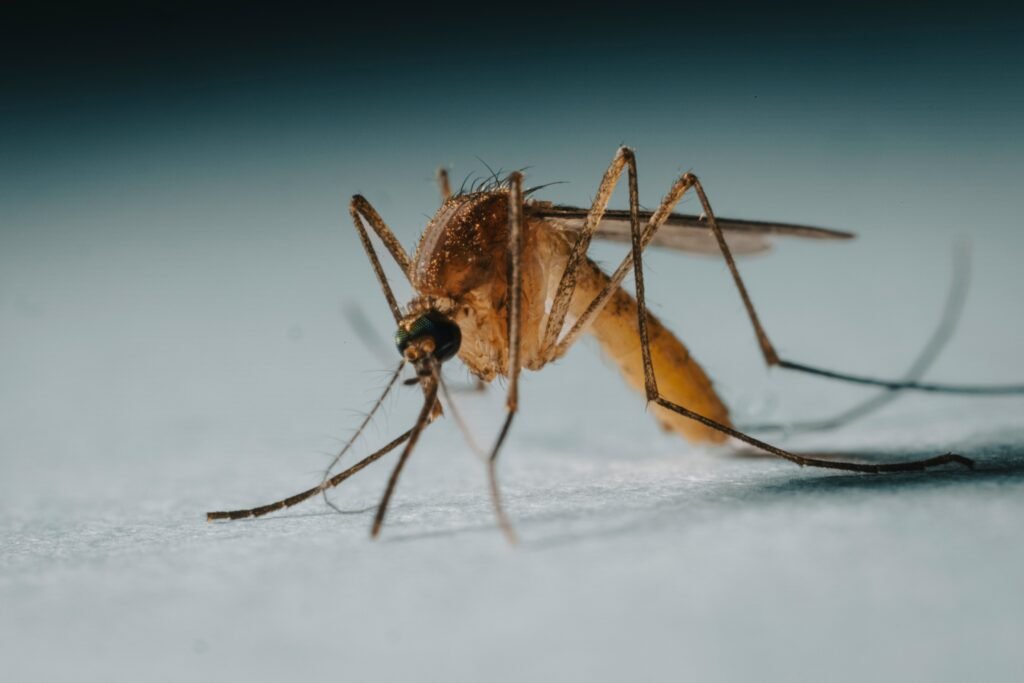
The adult mosquito carries the colony’s survival mission in every part of its anatomy. Three major body regions define its structure: the head, housing the antennae and eyes; the thorax; and the abdomen, with the proboscis serving as the primary tool for blood feeding.
Only female mosquitoes need a blood meal they bite warm-blooded and cold-blooded animals and birds alike, guided by stimuli including moisture, smell, color, and movement. Male mosquitoes live entirely on nectar from flowers and sugar sources, and while both sexes use nectar for daily nutrition, the protein from a blood meal is reserved exclusively for egg production in females with the notable exception of Toxorhynchites females, which cannot obtain a blood meal at all and are restricted entirely to a nectar diet, making them the one female mosquito that poses no biting threat to humans or animals.
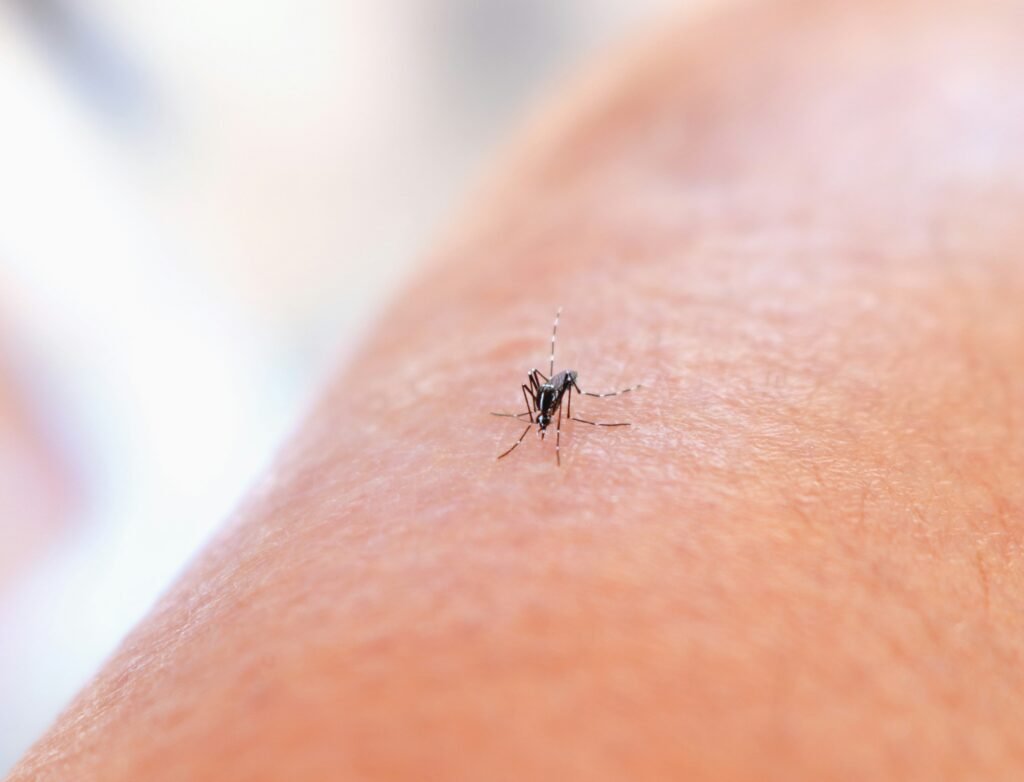
Aedes and Ochlerotatus are the most aggressive home-yard biters, painful, persistent biters active in the morning; at dusk as crepuscular feeders; through the evening; and as diurnal, daytime biters on cloudy days and in shaded areas, feeding primarily on mammals, including humans. As strong fliers, they range miles from their mosquito larvae development sites in pursuit of a host.
Culex mosquitoes prefer attacking after dark, readily entering dwellings, but are generally weak fliers, staying within two miles with Culex nigripalpus specifically linked to St Louis encephalitis in Florida.
Culiseta sits between them as a moderately aggressive biter, while Psorophora, Coquillettidia, and Mansonia mosquitoes grow increasingly pestiferous as expanding human populations push into their natural habitats. Anopheles mosquitoes are persistent biters and the sole carrier of malaria to humans, separating them from every other species by the disease burden their colony presence introduces.
Every mosquito bite deposits saliva into the host, producing an itchy rash in most people — but for disease-carrying species, that saliva carries far heavier consequences.
Acting as vectors of disease, these mosquitoes transmit protozoan parasites, bacterial pathogens, and viral pathogens to both vertebrate hosts and invertebrate hosts, spreading parasitic diseases and arboviral diseases, including malaria, filariasis, yellow fever, and dengue fever, across repeated blood meals.
Horses, cattle, smaller mammals, and birds are preferred blood meal targets over human blood for many species, though pathogens transmitted regardless of host make mosquito-borne illness a global emergency, with over one million deaths annually attributed to diseases carried by active mosquito colonies worldwide.
Shortly after adult emergence, male mosquitoes assemble in swarms near breeding sites at dawn and dusk, drawing in females through pheromones before rapid mating occurs. This urgency is real: high adult mortality rates can eliminate up to 30% of the adult population per day, making early mating a genuine survival priority for the colony.
The male adult mosquito typically emerges first from the pupal case and lingers near the breeding site waiting for females. Females respond to these brutal mortality rates through reproductive compensation, laying large numbers of eggs, with a single female producing 100 to 200 eggs per blood meal to ensure the continuation of the species despite the daily loss. This egg-laying frequency and species survival strategy gives mosquito colonies a mechanical resilience that makes them extraordinarily difficult to collapse without sustained, multi-generational mosquito control efforts.
As late summer arrives, certain female Culex mosquitoes seek sheltered areas and enter diapause to hibernate until spring, while Aedes pass the cold season as eggs in the overwintering stage. When warm weather returns, these females re-emerge in search of water to restart their egg-laying cycle immediately.
To locate hosts year-round, female mosquitoes detect carbon dioxide, body heat, and trace chemical compounds exhaled by humans and animals, navigating toward each new blood meal with precision before completing the cycle of mating, blood feeding, and depositing the next batch of eggs that seeds each new generation of the mosquito colony and its growing stock of mosquito larvae and mosquito eggs.
How Long Do Mosquitoes Live?
The lifespan gap between male and female mosquitoes is one of the most underestimated facts in mosquito colony management. Male mosquitoes live just 6 or 7 days on average, feeding entirely on plant nectar, playing no role in biting, and exiting the life cycle quickly after mating.
Female mosquitoes with an adequate food supply, by contrast, can live 5 months or longer, with the average female life span sitting around 6 weeks, a span that is species-dependent and shaped by environmental conditions, including temperature and moisture. This lifespan range, from as short as 6 days to as long as 5 months, represents the 4-stage lifespan gap that gives mosquito longevity at the colony level its compounding power: females outliving males by weeks or months means the colony’s productive members operate on a timeline far beyond what most short-term prevention strategies account for.
To sustain herself across that extended lifespan, a female mosquito deploys a remarkable set of highly sensitive chemical detection abilities. She tracks carbon dioxide in the air, trace chemicals exhaled by humans and animals; temperature patterns revealing the presence of a warm body nearby, specific amino acids in breath, and octenol — a naturally occurring compound in sweat that mosquitoes find irresistible.
This chemical sensitivity makes genuine avoidance difficult even with repellent use, keeping the female actively hunting throughout her entire operational life span. Every successful blood meal directly fuels the nourishment of eggs and develops egg function, adding new mosquito larvae and mosquito eggs to the colony with each feeding cycle and perpetuating the mosquito life cycle without pause.
The operational flight range of a female mosquito extends between 1 and 10 miles on average and for some species, a maximum of 40 miles before she takes her next blood meal and returns to oviposit.
Some species oviposit only once in their entire life cycle; others lay eggs several times in repeating egg-laying cycles that compound the colony’s total reproductive output season after season. This life cycle completion loop hunt, feed, oviposit, repeat, turns a single well-fed female mosquito into the operational engine of an entire mosquito colony, seeding mosquito larvae in water, generating wave after wave of mosquito eggs, and threading the mosquito life cycle forward in an unbroken chain anchored to every standing water source within her flight range.
Common Mosquito Species Around Homes and Human Impact
Mosquitoes belong to the order Diptera, family Culicidae, a classification with origins reaching back to the Cretaceous period, which explains just how comprehensively adaptable and successful these insects have become across every environment on Earth.
They have been documented breeding in mines nearly a mile below the surface and at mountain peaks reaching 14,000 feet, thriving in virtually any natural or man-made collection of water right down to a neglected container in your own backyard. In the United States alone, approximately 176 species have been formally recorded, drawn from a global total of more than 3,000 and, by some taxonomic accounts, as many as 3,600 species worldwide, reflecting the immense species diversity that has built up within Family Culicidae across millions of years of ecological adaptation.
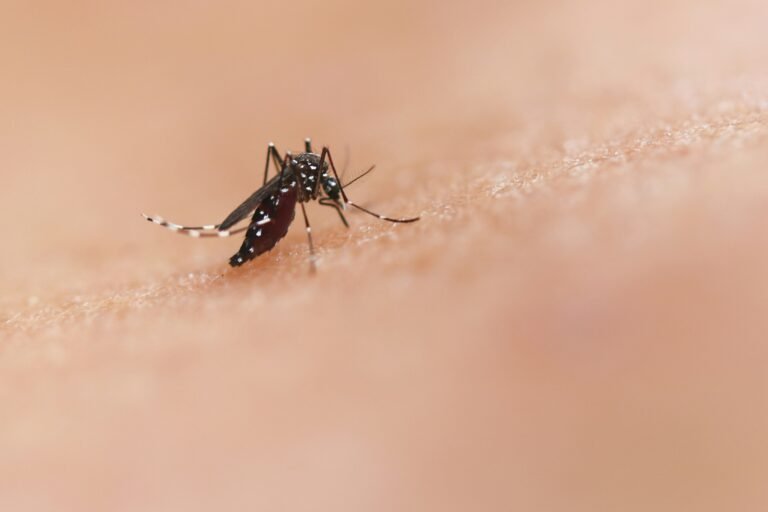
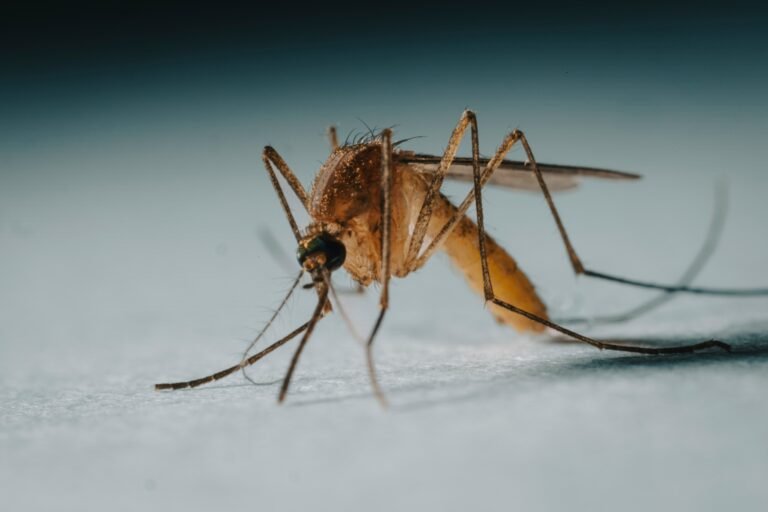
Physically, mosquitoes are separated from superficially similar flies by a specific anatomical signature: a slender, segmented body typically 3–6 mm in length, coloured grey or black, with one pair of wings bearing distinct scales on the veins, three pairs of long, hair-like legs, and a long, piercing proboscis fitted with piercing-sucking mouthparts for blood feeding. The clearest visual separation from chironomid midges is posture. Mosquitoes extend their first pair of legs outward at rest, while midges hold them forward.
Males beat their wings between 450 and 600 times per second, driven by muscles that vibrate the thorax in indirect flight. The largest mosquito genus, Toxorhynchites, reaches up to 18 mm in length with a 24 mm wingspan, while smaller Aedes species span just 2.8 to 4.4 mm. Anopheles gambiae, one of the most studied species globally for disease transmission, and Opifex fuscus, which breeds uniquely in salt marshes, represent the striking ecological range within Culicidae. Wyeomyia smithii, which breeds exclusively in the pitchers of pitcher plants, further illustrates how specifically species within this family have adapted to natural microhabitats no other insect occupies.
From a medical standpoint, mosquitoes are classified as micropredators, organisms that parasitise larger hosts by drinking their blood without killing them, and medical parasitologists formally recognise them as vectors of disease-carrying protozoan parasites, bacterial pathogens, and viral pathogens between hosts across repeated blood meals.
Most of the 176 United States species are nuisance species that affect quality of life without posing direct disease transmission risk, but a targeted few are active carriers of disease whose biological classification within Culicidae makes them responsible for the spread of arboviral diseases and parasitic diseases that define the full human impact of every mosquito colony in populated environments.
Mosquito larvae identification at the species level: understanding which vector species are present determines whether a colony represents a nuisance problem or a genuine public health threat that demands a coordinated response.
The Four Stages of the Mosquito Life Cycle
Every mosquito species on Earth, without exception, completes the same four-stage development process known as ‘complete metamorphosis’: egg, mosquito larvae, pupa, and adult — moving from hatched egg to flying adult in as little as 4 days under ideal conditions or stretching to as long as 1 month depending on environmental conditions, with 2 weeks being the typical life cycle duration. All four distinct stages are bound together by water dependency, with the first three stages entirely aquatic and impossible to complete without standing water.
This biological cycle of insect metamorphosis, driven by aquatic development through three consecutive water-dependent phases, is what makes moisture control and standing water elimination the most direct lever in mosquito colony disruption. Understand the breeding cycle, and the path to prevention becomes clear: deny water, and the life cycle cannot advance.
What gets lost in standard discussions is just how diverse mosquito larvae’s breeding habitat preferences are across species, even though all complete the same four-stage mosquito lifespan. Floodwater species use temporary water habitats, a temporary puddle, a marsh, or a low-lying depression that may exist for only hours. Permanent water mosquito larvae require stable water sources that hold for extended periods.
Others are so ecologically specialised they will only use natural or artificial containers: a bromeliad leaf axil, the pitchers of pitcher plants, or any contained water that meets their precise requirements. This range of species-specific breeding preferences and water dependency patterns means source reduction the systematic removal of all potential breeding habitats — must be applied broadly across all water types to meaningfully disrupt mosquito larvae reproduction and prevent any mosquito colony from establishing around a home.
Mosquito Breeding Grounds Around Your Home
In my years assessing properties for mosquito larvae activity, the most persistent mosquito colonies are almost always anchored in breeding sites the homeowner never noticed. Almost any standing water can support mosquito larvae development; thriving colonies have been documented in sources as small as a bottle cap of water, and while the obvious breeding sites are familiar to most people (birdbaths, pet water bowls, rain barrels, water storage containers, improperly maintained swimming pools, ponds, and water features).
The hidden breeding locations are where colonies build undisturbed: clogged gutters pooling stagnant water, corrugated downspout extensions, flower pot saucers, plant containers, tyre swings, outdoor equipment collecting rainwater, tree holes, and hollow stumps that hold enough moisture to complete the full mosquito larvae stage before anyone notices.
These are the sources that make mosquito colony control in outdoor spaces so difficult without a thorough property assessment to identify every breeding source.
The most impactful action is to dump standing water from every container and remove standing water, no matter how small, before mosquito larvae become biting adults. It is important to act quickly because in warm weather, a mosquito can progress from egg to adult in as little as 3–5 days — and every day of delay translates directly into a larger adult population and escalating health risks. Interrupting the rapid life cycle at the mosquito larvae stage represents the easiest phase to eliminate the entire mosquito colony before it becomes an infestation, and this lifecycle disruption through consistent standing water removal and breeding prevention is the foundation of any effective mosquito larvae control strategy.
When infestation has already reached the adult stage, however, full property assessment, breeding source identification, and the right pesticides selected carefully to prevent mosquito larvae around home from re-establishing become necessary tools in interrupting the breeding cycle and protecting the outdoor spaces and public health of everyone nearby.