
How to Get Rid of Mice and Keep Them Out of Your House (2026 Guide)
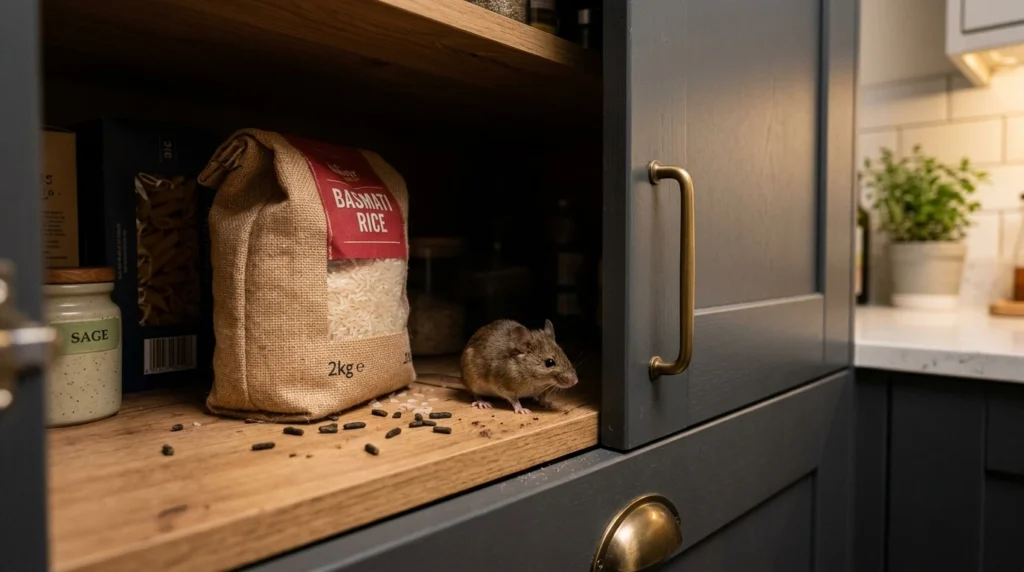
How to get rid of mice? I know that feeling. You open a kitchen cabinet and find dark, rice-shaped pellets scattered across the shelf. The panic, the disgust, the “How did this even happen in a clean home?” I felt all of it too, and it took me months of trial and error, conversations with licensed exterminators, and deep-diving CDC guidelines before I truly understood how to fix it for good.
Here’s the truth that changed everything for me: Mice don’t choose dirty homes; they choose easy ones. Any small gap, any pet food bag left open, any crumb under the stove is all the invitation they need. This guide gives you the field-tested, expert-backed plan. I wish I had found on day one what genuinely works, what wastes your money, and what most homeowners get completely wrong.
📋 At a Glance
- Even a clean home can get mice; you just need one small gap or food source
- One female mouse can produce up to 10 litters a year; act the moment you see signs
- Trapping removes mice; exclusion (sealing your home) keeps them from coming back
- The two most common mistakes: using too few traps, and skipping the exclusion step
- Renters have legal rights in most states; mice removal is your landlord’s responsibility
- Cleanup after an infestation requires specific steps to avoid disease exposure
First: How Do You Know You Have Mice?
Before you take action, make sure mice are the problem.
Look for these warning signs:
- Droppings. Mouse droppings are dark, rice-sized pellets. You’ll usually find them near food, in cabinets, or along walls.
- Gnaw marks. Mice chew on almost everything: wood, plastic, and even electrical wires.
- Scratching sounds. Mice are most active at night. If you hear scratching inside walls or ceilings after dark, that’s a red flag.
- Rub marks. Mice travel the same paths every night. Over time, their greasy fur leaves dark smear marks along walls and baseboards.
- Nesting materials. Shredded paper, fabric, or insulation tucked into a corner? That’s a mouse nest.
- Musky smell. A strong, musty odour in a room, especially under sinks, often means mice are nearby.
One mouse is already one too many. They reproduce fast. A single female can have up to 10 litters per year, with 6 to 12 babies each time. So act quickly.
Mice or rats? How to Tell the Difference
Before you buy traps, you need to know which rodent you’re dealing with. Mice and rats are not the same. The traps, baits, and control methods can differ.
Here’s how to tell them apart:
| Feature | House Mouse | Rat |
| Size | Small — 3 to 4 inches long | Large — 7 to 10 inches long |
| Droppings | Tiny, pointed ends, about ¼ inch | Larger, blunt ends, about ½ to ¾ inch |
| Ears | Large relative to head | Smaller, close to head |
| Tail | Long, thin, lightly haired | Thick, scaly, hairless |
| Nose | Pointed | Blunt |
| Color | Light brown or grey | Brown or dark grey |
Mouse droppings are small and pointed at both ends — like a tiny grain of rice with sharp tips.
Rat droppings are much larger and have blunt ends more like a raisin in size and shape.
If you see large droppings, gnaw marks on thick wood, or damage to pipes and baseboards, you likely have rats — not mice. The removal strategies in this article are focused on house mice specifically. Rats often require different traps and may need professional pest control sooner.

What Attracts Mice to Your House?
Understanding what attracts mice is the first step to getting rid of them. Mice come inside for three main reasons: food, water, and shelter.
Here’s what draws them in:
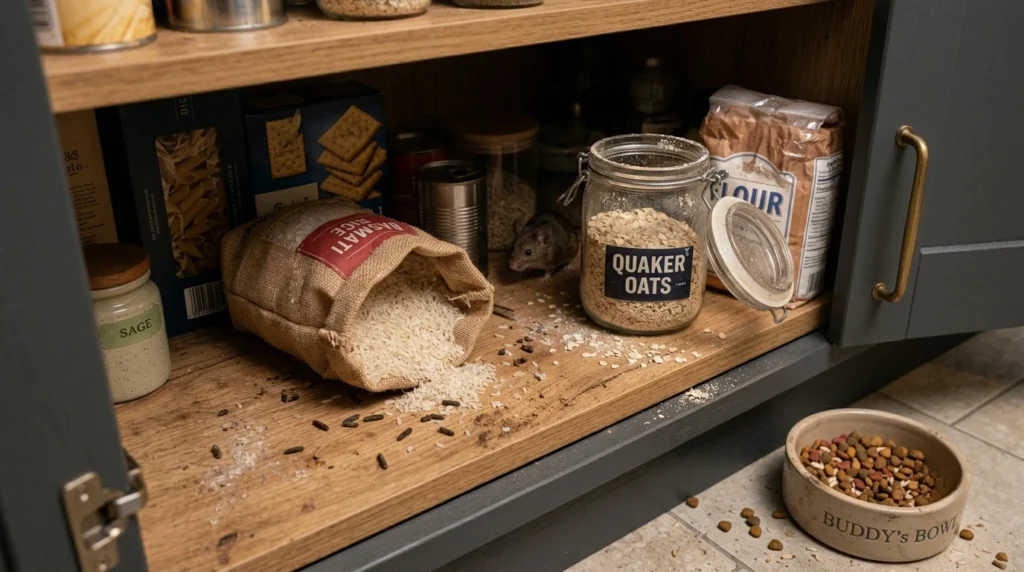
Food sources. Mice love grains, cereals, and seeds. Unsealed bags of oats, rice, or pet food are an open invitation. Even crumbs on the kitchen floor can keep them coming back.
Water. Leaky pipes, dripping faucets, and full pet water bowls all attract mice — especially in dry weather.
Warmth and shelter. As temperatures drop in fall and winter, mice look for warm places to nest. Your walls, attic, basement, and garage are perfect spots.
Clutter. Boxes, piles of old clothes, and stacked firewood give mice places to hide. The more clutter you have, the more comfortable mice feel.
Bird feeders and outdoor food. Spilt birdseed is a major attractant. Fallen fruit from trees and uncovered trash cans also bring mice close to your home.
Previous infestation scent. Mice leave behind pheromones. If mice have been in your home before, new mice can smell it and follow the trail inside.
Why Do Mice Come Inside in Fall and Winter?
Many homeowners suddenly notice mice in October or November and wonder why.
The answer is simple: it gets cold outside.
As outdoor temperatures drop, mice lose their natural food sources. Grass seeds dry up. Insects disappear. So mice start looking for warmer shelter and food, and your home is a perfect target.
Mouse activity typically peaks between October and February in most US states. This is when you’re most likely to hear scratching in walls or find droppings in kitchen cabinets.
The fix: Start your prevention routine in September, before mice start looking for winter shelter. Seal entry points, store food properly, and check your foundation and garage before the cold sets in.
How to Get Rid of Mice: Step-by-Step
Once you know you have mice, it’s time to act. Here’s a simple, proven approach.
Step 1: Choose the Right Trap
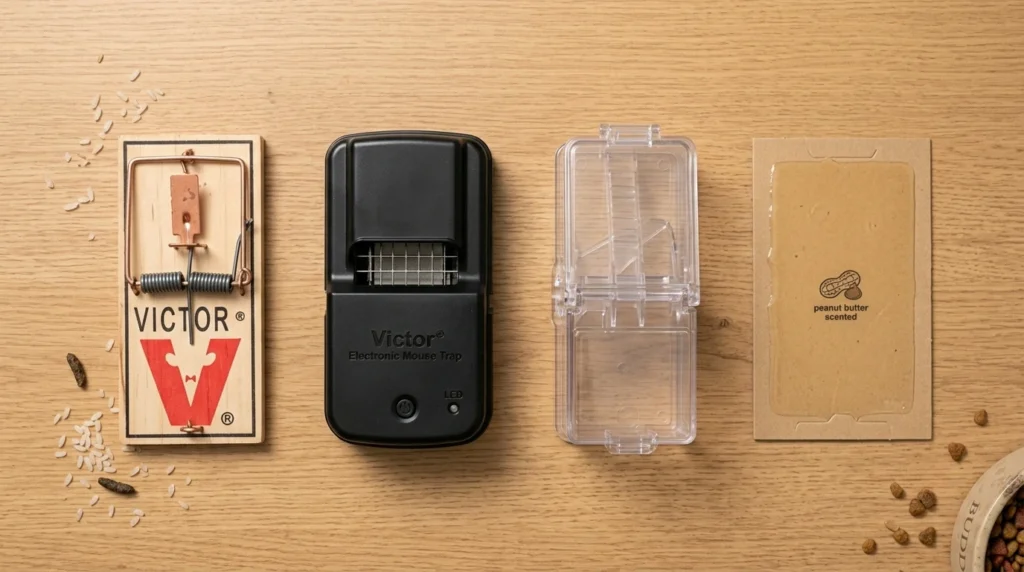
Traps are the most effective DIY method for removing mice. Here’s a quick comparison:
| Trap Type | How It Works | Best For | Cost |
| Snap trap | A spring-loaded bar kills instantly | Fast, effective removal | $2–$5 each |
| Electric trap | Delivers a quick electric shock | Clean, easy disposal | $20–$40 |
| Live trap | Catches mouse alive | Humane catch-and-release | $10–$20 |
| Glue trap | A sticky surface traps the mouse | Low-cost, easy to place | $3–$6 |
Snap traps are the most recommended option by pest experts. They’re cheap, effective, and reusable.
Pro tip: Don’t use just one trap. Use 6 to 12 traps placed throughout your home for best results.
Step 2: Place Traps in the Right Spots
Location matters more than the trap type.
Mice run along walls. They almost never cross open spaces. So always place traps:
- Against walls, with the trigger end facing the baseboard
- Under sinks and inside cabinets
- In dark corners of basements, garages, and attics
- Behind appliances like the refrigerator and stove
Set traps in pairs, about 6 to 10 feet apart along the same wall.

Step 3: Use the Right Bait
Forget the cartoon image of cheese. Mice prefer high-calorie, high-protein foods.
The best baits are:
- Peanut butter works extremely well. They can’t snatch it without triggering the trap.
- Chocolate
- Bacon bits
- Cotton balls: mice seek nesting materials and can’t resist them
Use just a tiny amount of bait. A pea-sized drop of peanut butter is plenty.
Step 4: Check Traps Daily
Check your traps every morning. Dispose of dead mice carefully.
Always wear rubber gloves. Place the mouse in a sealed plastic bag before throwing it in the outdoor trash. Wash your hands thoroughly afterward.
How to Keep Mice Out of Your House for Good
Removing mice is only half the job. If you don’t seal your home, new mice will keep coming in.
This is called ‘rodent exclusion’, and most homeowners skip it. That’s why infestations come back year after year.
Seal Every Entry Point
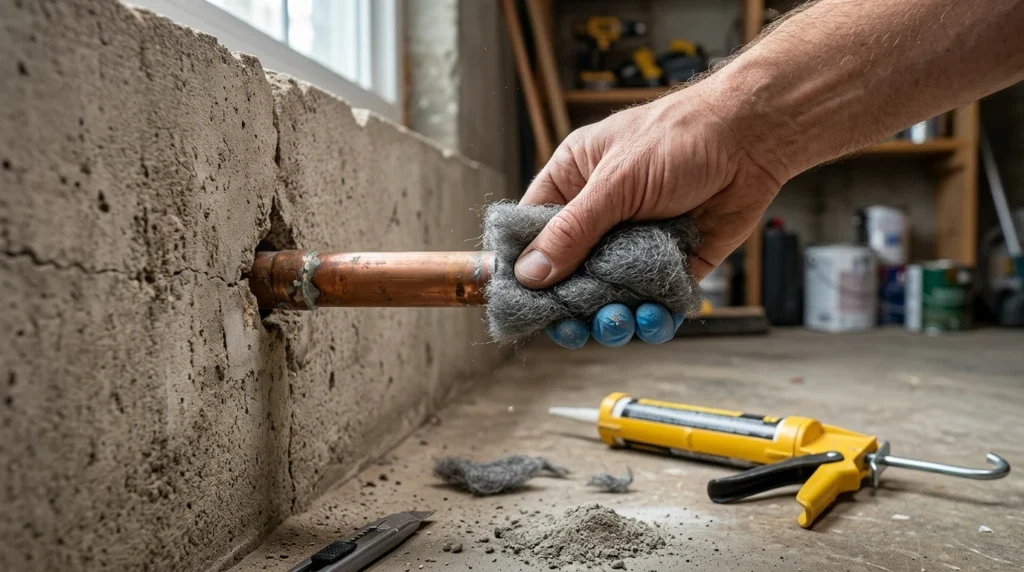
Mice can squeeze through a hole as small as ¼ inch, roughly the width of a pencil. That is tiny. They can also chew through soft materials to make any gap bigger.
Walk around the outside of your home and look for:
- Cracks in the foundation
- Gaps around pipes and utility lines
- Holes near doors and windows
- Damaged vents and screens
- Gaps under garage doors
What to use for sealing:
- Steel wool mice cannot chew through it. Stuff it tightly into small gaps.
- Caulk applied over steel wool to hold it in place
- Hardware cloth or wire mesh for larger holes and vents
- Door sweeps seal the gap under exterior doors
Do not use spray foam alone. Mice chew right through it.
Eliminate Food and Water Sources
Even after sealing, mice will still try to enter if there’s food nearby.
Follow these rules:
- Store dry food in airtight glass or metal containers
- Never leave pet food out overnight
- Clean up crumbs and spills right away
- Keep trash cans sealed with tight-fitting lids
- Fix leaky pipes and dripping taps
- Move bird feeders at least 20 feet away from your home
- Pick up fallen fruit from trees regularly
Reduce Clutter Inside and Outside
Clutter gives mice places to hide and nest. Remove it, and they feel exposed.
Inside the house:
- Clear out boxes from basements and garages
- Store seasonal items in hard plastic bins, not cardboard
- Keep storage areas tidy and well-lit
Outside the house:
- Stack firewood at least 100 feet from your home (CDC recommendation)
- Trim shrubs and tree branches away from the roof
- Remove leaf piles and debris near the foundation
- Keep grass short near the house perimeter
Natural Mouse Repellents: What Actually Works
Many homeowners prefer natural options before reaching for poisons or traps. Here’s an honest look at what works and what doesn’t.
Peppermint oil is one of the most popular natural repellents. Mice dislike the strong scent. Soak cotton balls in peppermint oil and place them near entry points. Replace every few weeks. This works best as a deterrent, not a removal method.
Cayenne pepper: sprinkle it along mouse pathways. The smell and heat irritate mice. Use caution if you have pets or small children.
Cats: The presence of a cat and especially its scent can deter mice. But don’t rely on this alone.
Plants such as mint, lavender, and garlic planted near entry points may repel mice.
What doesn’t work:
- Mothballs not strong enough and are toxic to humans
- Irish Spring soap: a popular myth with no scientific basis
- Bleach’s dangerous fumes are not effective as a repellent
- Ultrasonic devices limited evidence; mice often adapt quickly
When to Call a Professional
DIY methods work well for minor infestations. But sometimes, you need professional help.
Call a pest control company if:
- You’re still seeing mice after 2 to 3 weeks of trapping
- You notice mice during the daytime; this signals a large infestation
- You find multiple nests in the walls, attic, or crawl space
- You’re dealing with a rental property or shared building
How much does mouse extermination cost?
In the USA, professional rodent pest control typically costs:
- One-time visit: $150 – $300
- Ongoing treatment plan: $40 – $70 per month
- Full exclusion service: $500 – $1,500+
Prices vary by location and infestation size. Always get at least two quotes.
Mice in an Apartment? Here’s What Renters Need to Know
If you rent your home, the rules are a little different.
You may not be allowed to drill holes or use certain traps. And you might not even be responsible for paying for pest control.
Is It Your Landlord’s Problem?
In most US states, yes. Landlords are legally required to provide habitable living conditions. That includes a home free from rodent infestations. This is known as the implied warranty of habitability, and it applies in almost every state, even if your lease doesn’t mention it.
If you have mice in your rental, your landlord is generally responsible for:
- Hiring a licensed pest control company
- Sealing entry points in the building structure
- Paying for extermination costs
However, you can be held responsible if the infestation was caused by your own habits – like leaving food out, not taking out the trash, or poor sanitation.
What Renters Should Do Step-by-Step
- Document everything first. Take photos and videos of droppings, gnaw marks, and any mice you see. Note the date and location of each sign.
- Notify your landlord in writing. Send an email or text so there is a written record. Avoid verbal complaints only they’re harder to prove.
- Give a reasonable deadline. Most states require landlords to respond within 24 to 48 hours for health emergencies.
- Contact your local housing authority if your landlord doesn’t act. A code enforcement visit can force action.
- Don’t set snap traps near shared walls or crawl spaces without checking building rules first. In multi-unit buildings, rodent control usually needs to be handled by a professional across the whole building not unit by unit.
Note: Tenant rights vary by state. Cities like New York, San Francisco, and Chicago have especially strong tenant protections around pest control. If your landlord refuses to act, consult a tenant rights organisation in your city.
Safe Cleanup After a Mouse Infestation
This part is critical, and almost every competitor skips it.
Mouse droppings contain dangerous pathogens. Never vacuum or sweep them dry. This can send virus particles into the air.
Follow these CDC-recommended steps:
- Wear rubber gloves and a face mask before you start
- Spray the droppings with a disinfectant solution 1.5 cups of bleach per gallon of water
- Let it soak for 5 minutes
- Wipe up the droppings with paper towels
- Dispose of everything in a sealed plastic bag
- Wash your hands thoroughly when done
Clean all surfaces where mice have been, including countertops, shelves, and inside cabinets.
Health Risks from Mice: Diseases You Need to Know About
Mice are not just annoying. They are a genuine health hazard.
They spread disease through their droppings, urine, saliva, and bites. You don’t even need to touch a mouse to get sick. Simply disturbing dry droppings by sweeping or vacuuming can release dangerous particles into the air.
Here are the main diseases mice carry:
Hantavirus Pulmonary Syndrome (HPS) This is the most serious disease associated with mice in the USA. It is spread by the deer mouse. You can catch it by inhaling dust contaminated with mouse droppings or urine. Symptoms include fever, muscle aches, and severe shortness of breath. It can be fatal the death rate for the deer mouse strain is between 30% and 50%, according to the Mayo Clinic. There is no specific treatment, only supportive care.
Salmonella mice contaminate food and kitchen surfaces with their droppings. Touching a contaminated surface or eating contaminated food can cause salmonellosis. Symptoms include diarrhoea, fever, and abdominal cramps.
Leptospirosis is spread through contact with water or soil contaminated by mouse urine. It can cause flu-like symptoms and, in severe cases, liver or kidney failure.
Lymphocytic Choriomeningitis (LCM) A viral disease spread by the common house mouse through contact with fresh droppings, urine, or nesting materials. It can cause neurological disease.
Rat-Bite Fever Despite the name, mice can carry this too. It spreads through a bite or scratch. Symptoms include fever, rash, and joint pain.
Mice can also trigger asthma and allergy symptoms through their droppings and urine even without direct contact.
Treat every mouse infestation as a health emergency. Act fast. Clean up safely. And always use gloves.
Frequently Asked Questions
Will mice leave on their own if there’s no food?
Sometimes, but don’t count on it. Mice are resourceful and will find other food and water sources. It’s always better to actively remove them and seal your home rather than wait them out.
How many mice are considered an infestation?
Even one mouse can quickly become an infestation. Mice reproduce fast, so spotting even a single mouse is a sign to act immediately. Multiple droppings found in several areas of your home usually mean more than one mouse is already present.
What smell do mice hate the most?
Mice strongly dislike peppermint oil, ammonia, and cayenne pepper. These scents won’t remove an active infestation, but they can help deter mice from entering in the first place.
How long does it take to get rid of mice?
With consistent trapping, most minor infestations are resolved in 1 to 2 weeks. Larger infestations may take 3 to 4 weeks or longer, especially if entry points haven’t been sealed.
Can mice climb walls?
Yes. Mice are excellent climbers. They can scale rough vertical surfaces and run along pipes, wires, and tree branches to reach upper floors and attics.
How do mice get in the house?
Through any gap ¼ inch or larger. Common entry points include foundation cracks, gaps around pipes, damaged vents, and the spaces under exterior doors.
Final Thoughts;
Let me leave you with something that took me too long to learn. The first time I had mice, I set two snap traps in the kitchen and called it done. I caught mice, but a new one appeared every few weeks without fail.
The real problem turned out to be a ¼-inch gap behind my dryer vent that I had walked past dozens of times. Mice were entering freely while I kept resetting traps. Trapping without sealing is just an expensive loop that never ends.
Most homeowners also underestimate the health risk. I’ve spoken with pest control professionals who say the same thing: people don’t treat mouse droppings seriously enough. Hantavirus is rare, but it is real always clean up with gloves, and never vacuum dry droppings.
Don’t wait as long as I did before calling a professional when DIY isn’t cutting it. An exterminator I finally brought in found four entry points in under 20 minutes in spots I had personally checked and missed. Sometimes an expert eye saves you far more than it costs.
If this guide gives you one takeaway, make it this: act early, seal completely, and clean safely. Do those three things, and a mouse problem almost never becomes a mouse disaster.