
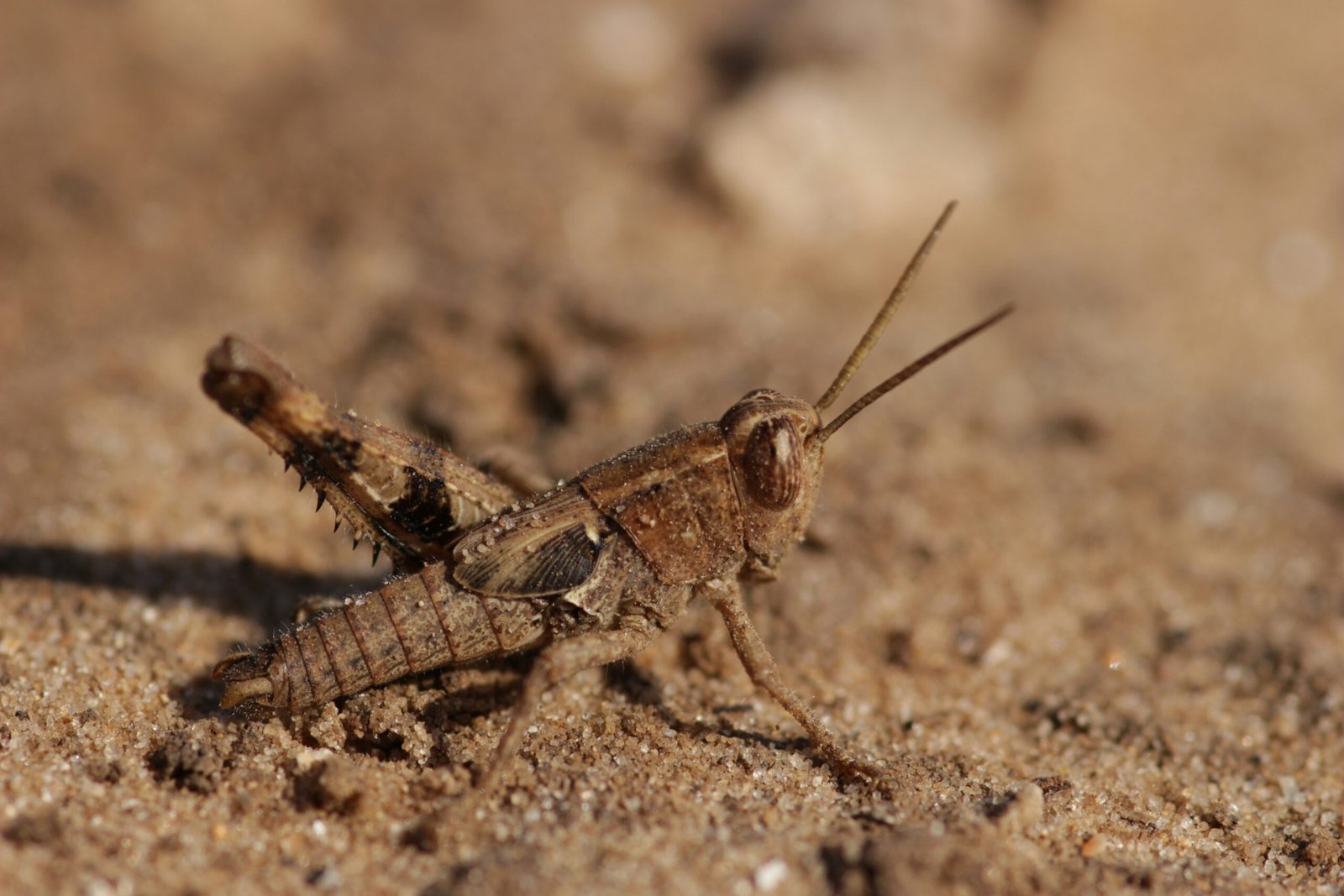
Camel Crickets, Cave Crickets, and Spider Crickets in the Home: Identification and Why They Invade
Introduction
I still remember the first time I saw one. It was late at night. I walked into my basement to grab something from storage.
I flicked on the light. Something enormous launched itself directly at my face. I stumbled back with my heart pounding .I genuinely thought a spider had attacked me.
It was not a spider. It was a camel cricket. And once I got over the shock, I realised I had absolutely no idea what I was looking at.
That experience sent me down a deep research rabbit hole. Over the years of writing about home pest identification, I have spoken with pest control technicians across the country. I have also studied entomology resources from institutions like NC State University and the University of Maryland Extension.
Most people feel the same things when they first find one of these bugs. There is fear because it looks like a giant spider with cricket legs. There is confusion because the same insect goes by at least five different names.
There is frustration because it jumped toward them instead of away. And there is real worry because they have no idea if it bites, if it is dangerous, or how it got inside their home.
Those reactions are completely understandable. These insects are genuinely startling. But here is what years of pest research have taught me: camel crickets, cave crickets, and spider crickets are far less dangerous than they look.
The fear is real. The threat is not. This guide will walk you through everything identification, invasion reasons, and exactly what to do about them.
By the time you finish reading, that thing in your basement will make complete sense.
At a Glance
| Common names | Camel cricket, cave cricket, spider cricket, spricket, spricket bug, cricket spider, humpback cricket |
| Scientific family | Rhaphidophoridae |
| Size | ½ inch to 1½ inches (body only) |
| Color | Tan, reddish-brown, or dark brown |
| Wings | None |
| Sound | Completely silent |
| Bites humans? | No piercing bite — may chew lightly if it lands on skin |
| Dangerous? | No — nuisance pest only |
| Most active | Night epecially late summer through fall |
| Why they invade | Seeking moisture, cool temperatures, and dark shelter |
| Biggest risk to home | Chewing fabric, clothing, and cardboard in large numbers |
| Best first step | Reduce moisture a dehumidifier is the single most effective tool |
What Are Camel Crickets, Cave Crickets, and Spider Crickets?
First, let us clear something up. Camel crickets, cave crickets, and spider crickets are all the same insect. They are not three different bugs. They all belong to the family Rhaphidophoridae.
People just have different names for them. You might also hear these names used for the same creature. Spricket or spricket bug is a popular mashup of spider and cricket. Some people say cricket spider — simply the name in reverse order. Others call it a humpback cricket or, in New Zealand, a cave weta. All of these names describe the same humpbacked, jumping insect you found in your home.
Quick Note: What About “Chimney Cricket” and “Roof Cricket”? These are not insect names. A chimney cricket is a small peaked structure built on a roof to divert water away from a chimney. A roof cricket is the same thing — a roofing term, not a pest. If you searched for the bug, you are in the right place. If you need a roofing part, you need a completely different guide.
How to Identify Camel Crickets
Camel crickets have a look that is completely their own. Once you know what to look for, you will never confuse them with another bug again. Here are the key physical features to check.
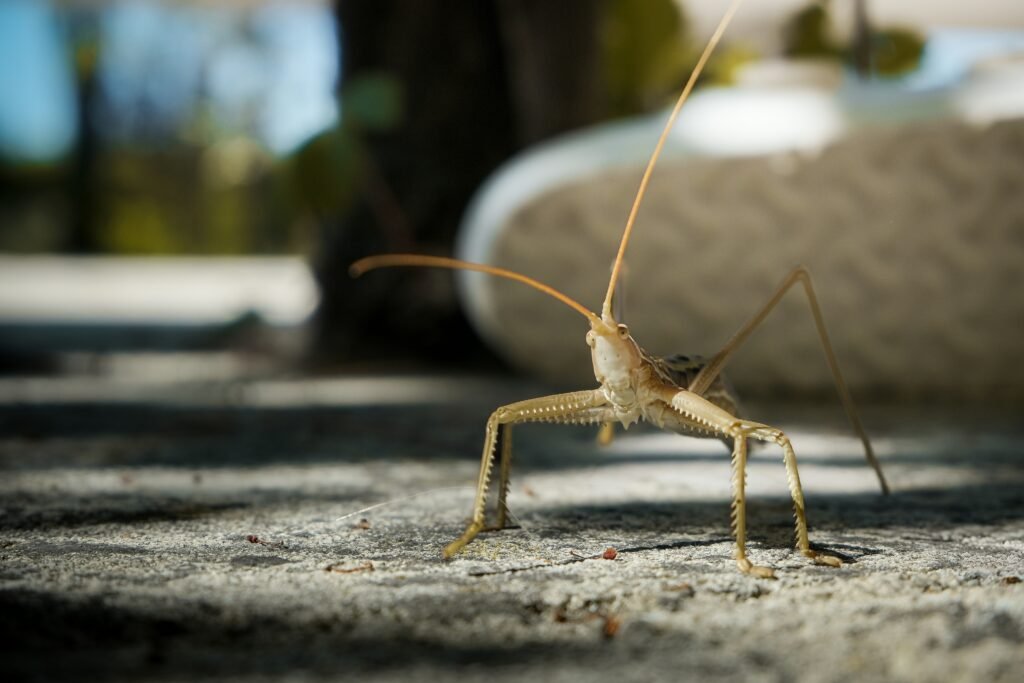
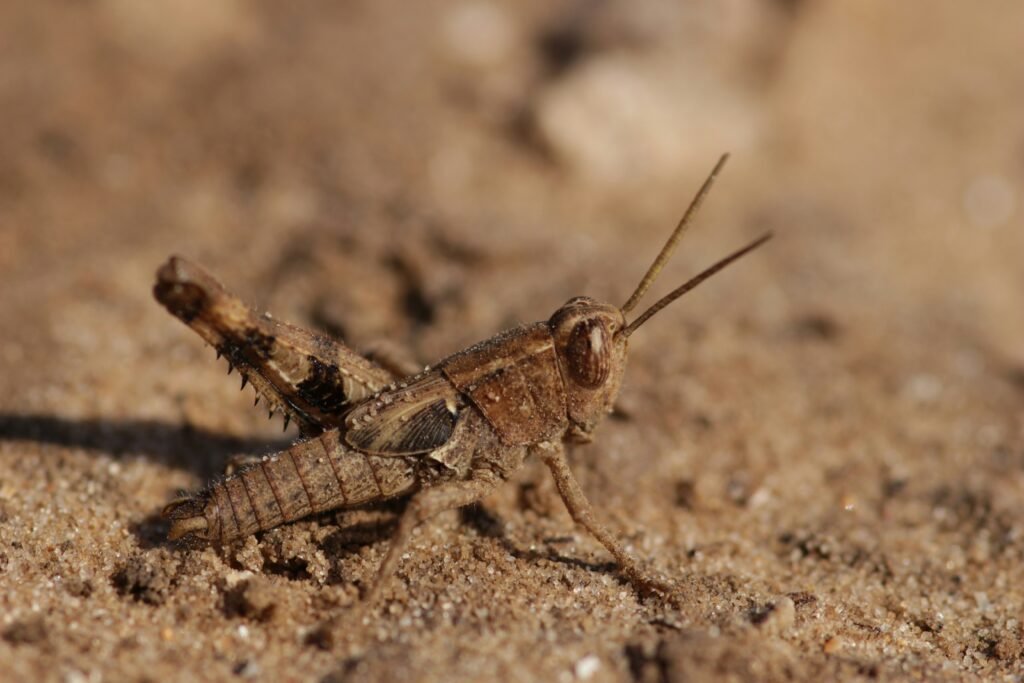
Their body is strongly curved and humpbacked — that arch is what gave them the camel nickname in the first place. Their hind legs are extremely long and spindly, almost spider-like, which explains the spider cricket name. Their antennae are remarkable too. For most native species, antennae typically reach two to three times the body length. In the Asian greenhouse species, they can stretch up to four times the body length. Camel crickets use those antennae constantly — feeling their way through dark spaces since their eyesight is genuinely poor.
In terms of color, they range from light tan to reddish-brown or dark brown, often with darker banding across the legs and body. Adults grow between half an inch and one and a half inches long, though their oversized legs make them look considerably bigger than they actually are. They have no wings at all and cannot fly. And unlike almost every other cricket species you have heard of, they make absolutely no sound.
Native Camel Crickets vs. the Asian Greenhouse Camel Cricket
Here is something most pest websites skip over completely. There are two distinct types of camel crickets commonly found in US homes, and they behave very differently from each other.
The native camel cricket, belonging to the Ceuthophilus genus, has lived in North America for thousands of years. It is a seasonal insect. It slows down and goes dormant through winter, which naturally limits how much damage it causes indoors.
The Asian greenhouse camel cricket (Tachycines asynamorus) is an entirely different story. It originated in East Asia and arrived in the United States through plant shipments, first appearing in Western records in 1902. Research from North Carolina State University found that this Asian species now accounts for more than 90% of all camel crickets found inside US homes east of the Mississippi River. Unlike native species, it breeds year-round inside heated buildings. It does not go dormant. It does not slow down in January. That is precisely what makes it so difficult to control without addressing the root conditions driving the infestation.
Camel Cricket vs. House Cricket: What Is the Difference?
Many homeowners confuse camel crickets with house crickets, especially when they find them in a basement or garage. The differences are actually quite clear once you know what to look for.
| Feature | Camel Cricket | House Cricket |
| Body shape | Humpbacked | Flat, streamlined |
| Wings | No wings | Has wings |
| Sound | Silent | Males chirp loudly |
| Color | Brown, banded | Yellow-brown |
| Eyes | Poor eyesight | Better eyesight |
| Prefers | Dark, damp areas | Warm, lit areas |
| Bite risk | No | Rare / Minimal |
The single fastest way to tell them apart is sound. If you hear chirping in your basement at night, it is not a camel cricket. Camel crickets are always completely silent. The noise is coming from a house cricket or a field cricket — two entirely different insects.
Why Do Camel Crickets Invade Your Home?
Camel crickets are what pest professionals call accidental invaders. They are not deliberately targeting your home. They come inside because your home offers something they can no longer find outdoors — and that one thing is almost always moisture.
They Are Chasing Moisture
Moisture is the single biggest reason camel crickets enter homes. They depend on high humidity to survive and thrive. When outdoor soil dries out during summer heat or drought, they go searching for a damper environment. Your basement, crawl space, or garage naturally provides exactly that cool, damp, and dark which to a camel cricket feels like a perfect habitat.
They are escaping temperature extremes.
Beyond moisture, camel crickets are drawn to cool and stable temperatures. Your basement maintains a relatively steady environment year-round, especially compared to the swings of outdoor heat in summer and cold in late fall. During temperature extremes in either direction, the underground areas of your home become a natural shelter.
They Follow the Seasons
For most homeowners, camel crickets are a seasonal problem — with one important exception.
In spring, eggs hatch outdoors and young crickets develop in soil and leaf litter. Through summer, drought conditions push them toward home foundations in search of moisture. Fall is peak invasion season — dropping outdoor temperatures trigger a mass movement indoors. In winter, native species go dormant. But the Asian greenhouse camel cricket keeps breeding year-round inside heated homes, which is why some homeowners deal with them every single month.
Where to Find Camel Crickets: Room by Room
Camel crickets do not spread evenly through a home. They gravitate toward the specific spots that match their needs — dark, damp, and undisturbed.
The basement is the most common location, particularly near sump pumps, floor drains, and HVAC condensate lines where moisture is consistent. Crawl spaces are equally attractive — they mimic a cave environment almost perfectly. Garages tend to harbor them around stacked firewood, stored boxes, and cluttered corners. Utility rooms collect enough warmth and pipe moisture to draw them in. Attics are less common but worth checking in homes with humidity issues above the second floor.
Do camel crickets bite? Are They Dangerous?
This is the question almost every homeowner asks first — and it deserves a clear, honest answer.
Camel crickets cannot pierce human skin. They have no fangs. They carry no venom. They are not known to transmit any disease to humans or pets. In that straightforward sense, they are harmless.
However, the full answer is slightly more nuanced than a flat no. Camel crickets have powerful mandibles — chewing mouthparts built for breaking down fungi, dead plant matter, and organic debris. If one lands directly on your skin and mistakes it for a food source, it may gnaw or chew very lightly. This is not a traditional bite. It does not break the skin. Most people describe it as nothing more than a mild pinch. If you notice a red mark after encountering one, something else — a mosquito, flea, or spider — is almost certainly responsible.
Why Does It Jump Straight at You?
This is the behavior that shocks homeowners most. You startle a camel cricket and instead of fleeing, it launches itself directly toward you. It feels aggressive. It is not.
Camel crickets have genuinely poor eyesight. When they detect a threat through vibration or air movement, they leap toward the source of that threat rather than away from it. It is a predator-confusion strategy — startle and disorient whatever is threatening you, then escape in the chaos. It works on birds and rodents in the wild. It is also extraordinarily effective at terrifying homeowners who just flipped on a basement light.
Are Camel Crickets Dangerous to Pets?
Camel crickets are not toxic to cats or dogs. They carry no venom and pose no direct chemical threat to pets. However, if your pet eats several of them, it may experience mild stomach upset. The exact cause is not fully established, but it is not due to any poison. If your pet regularly eats crickets and shows persistent signs of illness, contact your vet for a straightforward check.
Signs You Have a Camel Cricket Infestation
Because camel crickets make no sound at all, many homeowners do not realise they have an infestation until it is already well established. There are four main signs to look for instead of listening for them.
The most obvious is a direct sighting. Turn on a basement or garage light after dark and watch for movement along the baseboards and corners. Camel crickets are nocturnal and most active in the hours after sunset.
The second sign is dark smear marks on walls. Their fecal matter leaves small, dark streaks on surfaces near their regular hiding spots. The third sign is physical damage — chewed clothing, curtains, cardboard boxes, or fabric items stored in damp areas. The fourth is sticky trap activity. Place traps along baseboards in dark rooms. Catching more than one or two per week suggests a growing population behind the walls and under the floors.
What Do Camel Crickets Eat?
Camel crickets are omnivores and opportunistic scavengers. They will eat almost anything organic that is available to them.
Outdoors, their natural diet covers fungi and mushrooms, decaying plant matter, dead leaves, weakened or dead insects, and various fruits, seeds, and plant material. Indoors, they adapt quickly to whatever they can find. That includes fabric and clothing — especially items stained with food or sweat — cardboard boxes, paper products, wood debris, and organic clutter.
Here is something most people do not expect. Camel crickets are cannibalistic. Females of the Ceuthophilus genus have been documented eating their male mates and even their own nymphs, as recorded in research through the University of Michigan’s Animal Diversity Web. This is not aggression — it is pure survival behaviour when other food sources run low. It matters practically because a large infestation will not simply starve itself out. They will feed on each other and on your stored belongings to sustain the population indefinitely. Sealing fabric and clothing in airtight containers and removing organic clutter from basements and crawl spaces directly cuts off their indoor food supply.
Camel Cricket Life Cycle
Understanding when and how camel crickets reproduce helps you time your control efforts correctly and explains why some infestations seem to return no matter what you do.
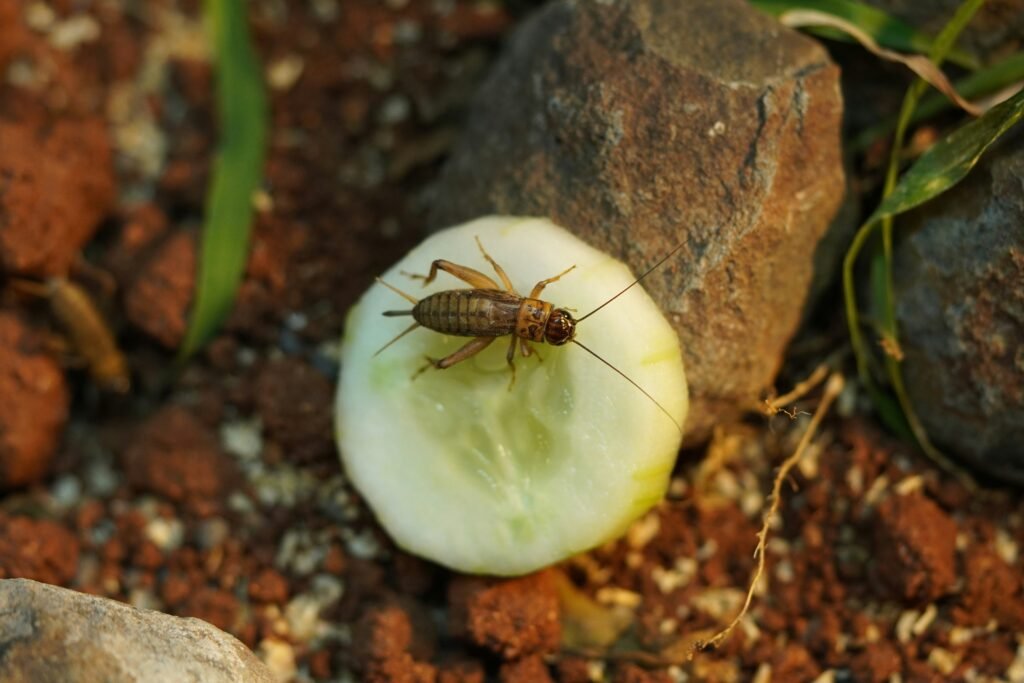
Camel crickets develop through three stages — egg, nymph, and adult. This is called incomplete metamorphosis, meaning there is no pupal stage like you see in butterflies or beetles. The nymphs that hatch look almost identical to the adults, just smaller.
Eggs
Female camel crickets lay their eggs in moist soil in early spring, preferring dark and humid locations for oviposition. Each female scatters up to 30 eggs across several small groupings in different spots rather than depositing them all in one place. The eggs start out small — around 2mm long — translucent and soft. Over time the shell hardens and turns white. According to PestWorld.org and the Vermont Atlas of Life, eggs typically hatch through April and May under natural outdoor conditions.
Nymphs
Nymphs emerge from the soil looking almost identical to adults but noticeably smaller. They begin scavenging immediately and go through several molting stages as they develop. An important detail that many homeowners miss — native camel crickets commonly overwinter as nymphs, not just as adults. This means finding small, juvenile crickets in your basement during winter is not unusual and does not mean a new infestation just started. It means they were already there, simply in an earlier stage of development.
Adults
Adults are fully developed and ready to mate. Native species reach peak activity in late summer. The Asian greenhouse camel cricket operates on a completely different schedule. Because it breeds year-round in the stable warmth of a heated home, you can find eggs, nymphs, and adults simultaneously in the same basement at any point in the calendar year. This continuous breeding cycle is the main reason Asian greenhouse cricket infestations escalate faster and prove harder to eliminate than native species infestations. The full life cycle from egg through the end of adult life spans approximately one to two years for most camel cricket species.
How to Get Rid of Camel Crickets
The right approach depends directly on how many you are seeing. Here is a tiered guide based on infestation size.
If You See 1–5 Crickets
This is a minor intrusion and a clear early warning sign. Start by placing sticky traps along baseboards and in dark corners to monitor numbers. Run a dehumidifier in your basement or crawl space to reduce the humidity that attracted them. Fix any leaking pipes, dripping condensate lines, or damp spots you can identify. At this stage, environmental correction alone is often enough to stop the problem before it grows.
If You See 5–20 Crickets
This is a moderate infestation that needs more than just a dehumidifier. Apply diatomaceous earth along baseboards, in crawl space corners, and around any obvious entry points. Seal gaps around pipes, door frames, and windows with caulk or weatherstripping. Install door sweeps on all basement doors and garage entries. Move firewood, leaf piles, and mulch at least 20 feet from your home’s foundation to eliminate the outdoor harborage driving them toward your walls.
If You See More Than 20 Crickets
At this level, call a pest control professional. A trained technician will identify whether you have native or Asian greenhouse species — which changes the treatment approach significantly. They will locate moisture sources you cannot access, apply targeted perimeter treatments, and recommend structural repairs to prevent re-entry. DIY products at this infestation level address the symptom, not the source.
How to Prevent Camel Crickets From Coming Back
Prevention is always faster, cheaper, and less stressful than treatment. Once you have dealt with an infestation, these seven steps protect your home going forward.
- Keep basements and crawl spaces dry. A dehumidifier running consistently is the single most effective long-term deterrent.
- Install a vapor barrier in your crawl space to block ground moisture from rising.
- Seal all entry points — foundation cracks, gaps around pipes, and deteriorated door seals with caulk and weatherstripping.
- Remove outdoor harborage — clear leaf piles, pull ground-level mulch back from the foundation, and relocate stacked wood.
- Clean gutters regularly and extend downspouts at least 6 feet from the house to direct water away from the foundation.
- Trim ground cover and tall grass around the perimeter so moisture does not collect at the base of your walls.
- Inspect boxes and stored items before bringing them inside from garages, sheds, or outdoor storage areas.
Frequently Asked Questions
Are camel crickets and cave crickets the same thing? Yes. Camel crickets, cave crickets, and spider crickets are all common names for the same insect family — Rhaphidophoridae. The name used varies by region and personal preference, but they all describe the same creature.
What is a spricket or spricket bug? Spricket is a slang nickname that merges spider and cricket into one word. It is especially common in the eastern United States and refers to the same humpbacked insect covered throughout this guide.
Is a “cricket spider” the same as a spider cricket? Yes. Some people simply say the name in reverse order. A cricket spider and a spider cricket are the same bug. Both search terms lead to the same insect.
Do camel crickets chirp? No. Camel crickets have no wings and no sound-producing organs. They are completely silent. If you are hearing chirping indoors, it is coming from a house cricket or field cricket — not a camel cricket.
What attracts camel crickets to my house? Moisture is the primary attractant. Damp basements, leaking pipes, and high-humidity crawl spaces draw them in. Seasonal drought and dropping fall temperatures push them toward home foundations and through any gap they can find.
Are chimney crickets the same as camel crickets? No. A chimney cricket is a roofing structure, a peaked ridge built behind a chimney to divert water away from it. The same is true for the term ‘roof cricket’. Neither term refers to an insect.
Can camel crickets damage my home? They will not damage the structure itself. In large numbers, however, they can chew through clothing, fabric curtains, cardboard boxes, and stored organic materials — particularly items soiled with food or sweat.
How long do camel crickets live? The full life cycle from egg through adult death spans approximately one to two years for most species. The adult stage alone is shorter — native males often die within weeks of mating.
Do camel crickets lay eggs indoors? Native species typically lay eggs in outdoor soil in spring. However, they do overwinter indoors as nymphs or young adults. The Asian greenhouse camel cricket is far more likely to lay eggs indoors because it breeds year-round inside heated buildings. If your infestation returns every season despite treatment, indoor egg-laying by the Asian species is the most likely explanation.
What eats camel crickets? Do they have natural predators? Yes. Natural predators include forest birds native to the eastern United States, rodents, salamanders, and spiders. Outdoors, this predation helps keep populations in check. Indoors, those predators are absent — which is a key reason populations can grow unchecked in undisturbed basements and crawl spaces.
Final Thoughts From Someone Who Has Seen a Lot of These
When I first started researching pest identification seriously, camel crickets were one of the insects I completely underestimated. I assumed they were simple a jumping bug that likes damp basements. I was wrong.
The more I studied the research — the NC State citizen science findings, the University of Maryland Extension data, and the entomological records on the Asian greenhouse species — the clearer the picture became. Most homeowners are blindsided by these insects not because the bugs are complicated but because the conditions that invite them are invisible until it is too late.
Over the years, I have seen the same three mistakes repeated in homes with persistent infestations. The first is treating the bug without addressing the moisture. Homeowners vacuum up what they can see, but the damp crawl space stays damp. The next generation moves in within weeks.
The second mistake is assuming one species when they actually have another one. Native camel crickets slow down in winter. The Asian greenhouse camel cricket does not. If you are seeing crickets inside a heated home in January, you almost certainly have the invasive species, and it needs a stronger response.
The third mistake is simply waiting too long. One or two camel crickets in a basement is a warning sign, not a minor nuisance. It means the conditions in your home are already right for a much larger population to take hold.
My honest advice, based on everything I have researched and observed, is to start with moisture — not traps, not sprays. A good dehumidifier running in your basement or crawl space removes the single biggest reason these insects choose your home over anywhere else.
Then seal the entry points. A camel cricket does not appear from thin air. It walked in through a foundation crack, a gap around a pipe, or a worn door sweep. Find those openings and close them before the next season begins.
If the population is already large, call a professional without hesitation. A trained technician will identify the exact species, locate moisture sources you cannot see, and apply a targeted perimeter treatment that outperforms anything available at a hardware store.
Camel crickets are not your enemy. They are simply looking for the same things most creatures want — a cool, dark, quiet place where nothing disturbs them. Unfortunately, that description fits most American basements perfectly.
Take away what they need and they will stop coming. It really is that straightforward.