Termite Infestation? Complete Guide to Get Rid of Termites Permanently: Proven Treatment Methods That Work
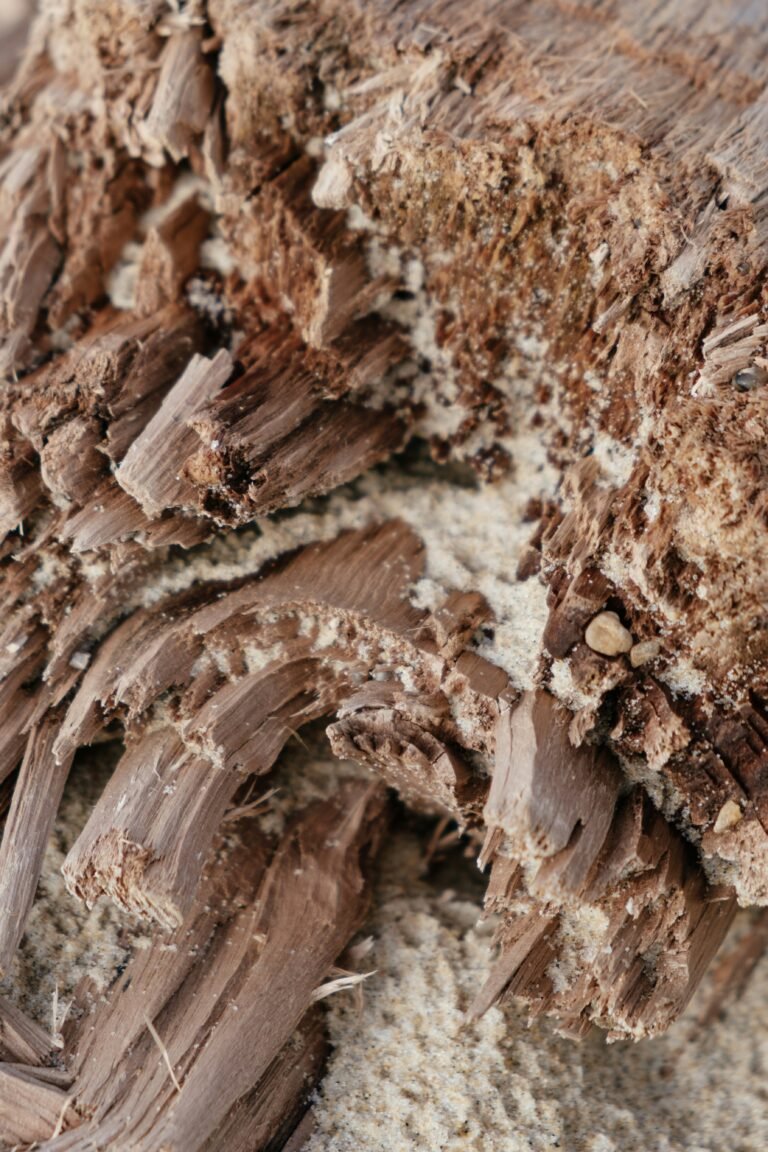
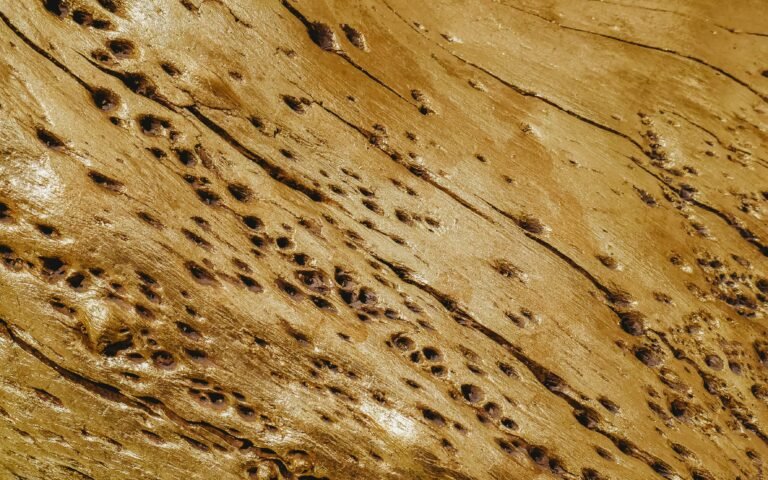
Termites control I still remember the exact moment I realised something was seriously wrong. It was a Tuesday morning after a wet spring. I knocked on a wooden support beam in my basement and heard a hollow, papery echo instead of a solid thud.
I called a pest inspector that same afternoon. Two hours later, he confirmed my worst fear — subterranean termites, an active colony feeding silently for at least two years. The repair and treatment bill came to just over $4,200.
That experience changed everything about how I approach pest control. I spent months after that speaking with licensed pest control operators, digging into university research, and testing what actually works. This guide is the result of all of that work.
If you just found termites or you suspect you might have them, you are in the right place. I will walk you through every proven treatment method available in the U.S. today. I will tell you which products professionals trust, what everything costs, and how to make the right call for your situation.
At a Glance — What You Need to Know Before Reading Further:
- Not all treatments work on all termite types. Using the wrong method is wasted money.
- Termites cause more than $5 billion in damage across the U.S. every year — more than fires and floods combined.
- The average treatment costs $621 to $3,200. Delayed treatment repairs average $3,000 to $10,000+.
- Professional treatment is nearly always required for active infestations. DIY helps with prevention only.
- The single most important first step is identifying your termite species. Everything else depends on it.
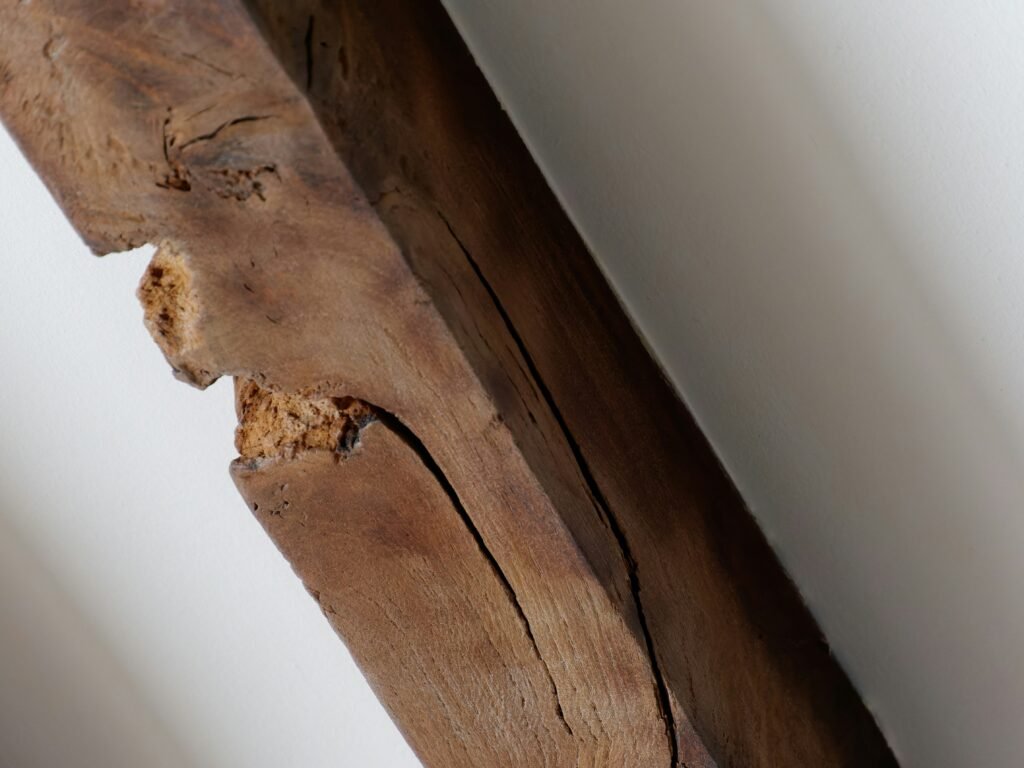
First: Identify Your Termite Type Before Choosing a Treatment
This step is critical. Many homeowners skip it and choose the wrong treatment entirely.
There are three main termite types found across the U.S. Each one requires a different approach.
Subterranean termites are the most common in the country. They live in the soil and travel up through mud tubes to reach the wood in your home. They are found in every U.S. state except Alaska. Liquid soil barriers and bait stations work best against them.
Drywood termites live entirely inside wood. They do not need soil contact at all. They are most common in California, Florida, Hawaii, and along the Gulf Coast. Spot treatments, orange oil, and tent fumigation are the most effective options.
Formosan Termites: These are one of the most aggressive termite species in the country. They are found mainly in Louisiana, Texas, Florida, and Hawaii. They can destroy wood faster than any other species. They require professional-grade treatment immediately no delays.
If you are not sure which type you have, a licensed pest professional can identify the species during an inspection. Most inspections cost between $75 and $200 and many companies waive that fee when you book a treatment.
Treatment by Infestation Severity: Mild, Moderate, or Severe
Before choosing a method, be honest about how bad the problem actually is. Treatment decisions should always match the severity of the infestation.
Mild Infestation: You have found one or two signs maybe a small patch of frass or a single mud tube. No visible structural damage yet. You caught it early.
Best approach: Bait stations plus a localised spot treatment. A professional inspection is still recommended to confirm the full extent of the problem before you start any treatment.
Moderate Infestation: Multiple signs are present. Hollow-sounding wood in more than one area. Mud tubes running along the foundation. Some visible damage to non-structural wood like baseboards or door frames.
Best approach: Full liquid termiticide barrier treatment around the perimeter. Add bait stations as an extra layer of protection. Professional treatment is strongly recommended at this stage.
Severe Infestation: Structural wood is visibly damaged. Floors feel soft or spongy underfoot. Swarmers have been found inside the home more than once. The infestation covers multiple areas or floors of the home.
Best approach: Professional liquid barrier plus bait system combination. Tent fumigation if drywood termites are confirmed throughout the structure. Structural repairs will likely be needed alongside treatment. Do not attempt DIY at this stage under any circumstances.
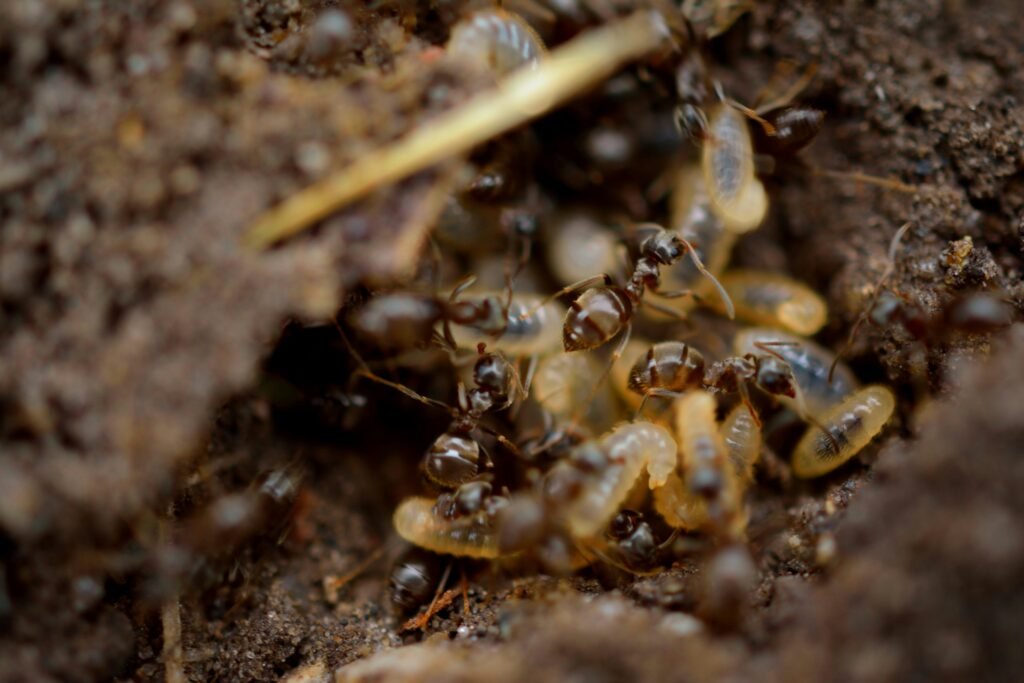
Professional Termite Treatment Methods: What Actually Works
1. Liquid Termiticide Barrier Treatment
This is the most widely used professional termite treatment in the United States. It works by creating an invisible chemical zone in the soil around your home’s foundation.
Here is how it works. Pest control technicians dig a shallow trench around the full perimeter of your home. They inject a liquid termiticide directly into the soil at precise intervals. Termites cannot detect the chemical at all. They pass through it, pick it up on their bodies, and unknowingly carry it back to the colony. It spreads through the colony like a virus killing worker after worker until the entire colony collapses.
This is called the “transfer effect”. It is what makes non-repellent termiticides so much more powerful than older repellent products that simply redirected termites around a treated zone.
Best for: Subterranean and Formosan termites How long it lasts: 8 to 12 years with Termidor. Up to 10 to 15 years with Premise 75 in some soil types. Speed: Begins killing within days. Full colony elimination typically takes 2 to 6 weeks. Cost: $3 to $16 per linear foot. Average full-home treatment costs $1,000 to $3,200.
Best Products for Liquid Barrier Treatment:
| Product | Active Ingredient | Key Advantage |
| Termidor SC | Fipronil 9.1% | Industry gold standard. Transfer Effect. Confirmed 100% effective in university field studies when applied correctly. |
| Premise 75 | Imidacloprid 75% | Residual life up to 15 years in some soils. Considered safer EPA risk profile than fipronil. |
| Phantom | Chlorfenapyr | Strong alternative for resistant termite populations. |
| Altriset | Chlorantraniliprole | Very low mammal toxicity. EPA reduced-risk designation. Good for sensitive households. |
| Taurus SC | Fipronil 9.1% | Same active ingredient as Termidor SC. Available to homeowners without a license in most states. |
Termidor SC is the most trusted product among licensed pest professionals in the U.S. University research confirmed it was 100% effective when applied according to label instructions around a full perimeter. It is a restricted-use product in some states and typically requires a licensed applicator.
2. Termite Bait Station Systems
Bait stations take a completely different approach. Instead of creating a chemical wall, they invite termites in.
Stations are placed in the ground around your home every 10 to 20 feet. Each station contains cellulose material laced with a slow-acting insecticide. Worker termites find the bait, eat it, and carry it back to feed the rest of the colony including the queen. Over several weeks, the colony collapses from within.
The key active ingredient in most bait systems is an Insect Growth Regulator (IGR). It prevents termites from molting properly. Without molting, they cannot survive or reproduce.
Best for: Subterranean termites. Prevention programs. Areas near water where liquid treatments are not safe. Speed: Slower than liquid barriers. Colony elimination can take 1 to 6 months depending on colony size. Cost: $7 to $12 per linear foot for installation. Add $200 to $400 per year for ongoing monitoring and bait replacement.
Best Bait Station Products:
| Product | Who Can Use It | Key Feature |
| Sentricon Always Active | Licensed professionals only | Industry leader. Eliminates the queen. No drilling or trenching needed. Termite-specific bait. |
| Trelona ATBS | Professionals and DIY | Made by the same company as Termidor. Available to homeowners. Excellent second choice. |
When bait stations are the smarter choice:
- Your home sits near a lake, river, or body of water where soil chemicals pose a contamination risk
- Trenching around your foundation is not possible due to rock, extensive concrete slabs, or dense landscaping
- You prefer a lower-chemical, more targeted approach
- You want ongoing automatic monitoring built into the program year-round
When liquid barriers are the smarter choice:
- You need faster results for a confirmed active infestation
- Termites are already established inside your home walls
- You want a continuous chemical barrier with no gaps between stations
- Your budget favors a lower upfront setup cost over annual ongoing fees
3. Tent Fumigation (Whole-Home)
Tent fumigation, also called ‘structural fumigation is the most powerful termite treatment available today. It eliminates every termite in every corner of your home at once.
Here is the process. A licensed pest control company covers your entire home in a large sealed tent. They pump a fumigant gas, most commonly Vikane (sulfuryl fluoride), into the structure. The gas penetrates every piece of wood, every wall cavity, and every hidden termite gallery. It kills every termite inside the structure within 72 hours.
However, fumigation comes with important limitations every homeowner must understand. You must leave your home for 2 to 3 full days. All food, medicines, and pet food must be removed or double-bagged in special Nylofume bags. All plants must come out. Pets cannot remain inside under any circumstances.
Also — and this is a point most competitor articles fail to mention clearly fumigation does not protect against future infestations. It eliminates what is currently inside your home right now. Subterranean termites can re-enter from the soil after the tent comes down. If subterranean termites are part of your problem, you still need a liquid barrier or bait system installed after fumigation is complete.
Best for: Severe drywood termite infestations. Widespread problems in walls, furniture, and roof timbers. Not effective against: Subterranean termites living in surrounding soil. Protection duration: 5 to 10 years before reinfestation becomes possible. Annual inspections are still strongly recommended. Cost: $1 to $4 per square foot. A 2,000 sq ft home typically costs $2,000 to $8,000 for full fumigation.
Hidden costs to budget for:
- Hotel or temporary housing for 2 to 3 full days during treatment
- Pet boarding fees for the duration
- Food removal and Nylofume bag purchases before treatment begins
- Possible roof tile damage during tenting, especially common with fragile Spanish clay tiles
4. Heat Treatment (Chemical-Free Option)
Heat treatment is a chemical-free alternative to fumigation. The home is tented and then heated to 120°F to 140°F for 35 to 60 minutes. The extreme heat kills all termites throughout the structure without using any gas, pesticide, or chemical of any kind.
This option is increasingly popular with households that prefer to avoid chemicals entirely. It is also highly effective for localized infestations in a specific room or section of a home without treating the entire structure.
Best for: Drywood termites. Chemically sensitive households. Targeted treatment of specific rooms or areas. Not effective against: Subterranean termites living in soil beneath the home. Cost: $1 to $3 per square foot. Average full-home heat treatment costs $2,000 to $6,000.
5. Termite Foam Treatment (Spot Treatment)
Termite foam is injected directly into termite galleries, wall voids, and infested wood through small drilled holes. The foam expands up to 30 times its original size, filling every crack and hidden gallery it reaches inside the wall or wooden cavity.
The active ingredient, usually fipronil, disrupts the termite’s central nervous system on contact. As termites move through treated areas, they carry the chemical back to the colony on their bodies – similar to the transfer effect of liquid barriers.
Foam treatments work best as a complement to liquid barriers or bait systems — not as a standalone solution on their own. They are ideal for treating hard-to-reach spots behind walls and inside wooden structures that cannot be reached any other way.
Popular product: Termidor Foam Best for: Spot treatment, localized infestations, wall voids, and difficult-to-reach areas Duration per application: Approximately 4 to 6 weeks per treatment Cost: Usually bundled into a professional service visit rather than priced separately
DIY Termites control Treatment: What Works and What Does Not
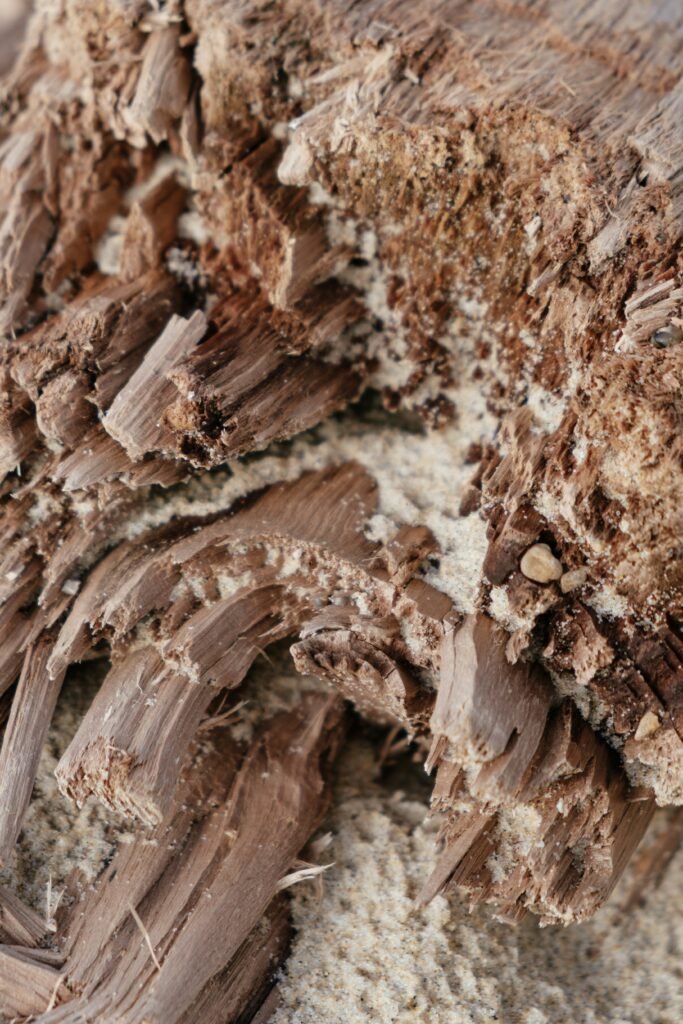
Many homeowners want to try handling termites themselves before calling a professional. Some DIY options genuinely do exist. But it is important to be realistic about what they can and cannot accomplish against an established colony.
DIY Options That Have Some Effectiveness
Boric Acid (Borax) Boric acid dehydrates termites and disrupts their digestive system. You can apply it to wood surfaces, cracks, and crevices. It works on termites that come into direct contact with the treated area. However, it will not reach termites living deep inside walls or in underground soil colonies.
Beneficial Nematodes These are microscopic worms you release into the soil around your home. They hunt termites underground and kill them by releasing bacteria into their bodies. They work best in moist, warm soil and are a solid supplemental prevention method in warmer U.S. states like Florida and Texas.
Trelona Bait Stations (DIY Version) This is one of the very few professional-grade bait options available to homeowners without a pest control licence. It uses the same active ingredient technology as professional systems like Sentricon. You install the stations around your foundation yourself and check them on a regular schedule.
Orange Oil (d-Limonene) Orange oil kills drywood termites on direct contact by breaking down their exoskeleton. It is applied by drilling small holes into infested wood and injecting the oil directly. It works reasonably well for very minor, localised drywood termite problems but will not resolve large or widespread infestations.
Taurus SC (Fipronil Homeowner Available) This is the closest DIY equivalent to Termidor SC available to the general public. It contains the same active ingredient at the same 9.1% fipronil concentration. It is available for homeowner purchase online in most U.S. states. The application still requires careful trenching and soil injection read the label in full before attempting this yourself.
DIY Options That Do NOT Work
- Vinegar — No scientific evidence supports this for termite colony elimination whatsoever
- Dish soap and water — Kills individual termites on contact only. Has absolutely zero effect on the colony itself.
- Essential oils alone — May temporarily repel a few surface termites. Will not eliminate or even slow a colony.
- Store-bought repellent bug sprays — Most actually scatter termites into new areas of your home rather than killing them
The honest bottom line on DIY: If you have subterranean termites or a confirmed active infestation inside your home, DIY methods will not solve the problem. They may slow activity marginally. But they will not eliminate the colony. Professional treatment is always necessary for a true, established infestation.
Treatment by Termite Type: Quick Reference Guide
| Termite Type | Best Treatment | What to Avoid |
| Subterranean | Liquid barrier (Termidor SC), Bait stations (Sentricon/Trelona) | Fumigation alone — it does not treat soil colonies |
| Drywood | Tent fumigation (Vikane), Heat treatment, Orange oil for minor cases | Liquid soil barriers — drywood termites do not live in soil |
| Formosan | Liquid barrier + bait system combination. Professional-grade only. | Any DIY method — too aggressive and fast-spreading |
| Dampwood | Fix the moisture source first. Then spot treatment or fumigation. | Bait stations alone — moisture is always the root cause |
How Much Does Termite Treatment Cost in the USA?
Here is a full breakdown of current 2025–2026 treatment costs:
| Treatment Method | Cost Range | Notes |
| Professional inspection | $75 – $200 | Often waived when you book a treatment |
| Liquid barrier (Termidor/Premise) | $1,000 – $3,200 | One-time setup plus $100–$300 annual renewal |
| Bait station installation | $1,000 – $2,500 | Plus $200–$400 per year for monitoring |
| Tent fumigation | $2,000 – $8,000 | Based on home size at $1–$4 per sq ft |
| Heat treatment | $2,000 – $6,000 | Chemical-free drywood option |
| Foam spot treatment | Usually bundled | Complement to main treatment, not standalone |
| DIY bait stations (Trelona) | $150 – $400 | Homeowner-installed only |
| Taurus SC (DIY liquid) | $50 – $150 per bottle | Requires proper trench-and-treat application |
One fact worth repeating: Homeowner’s insurance does not cover termite treatment or the resulting damage in almost all cases. Every dollar comes directly out of your pocket. Acting early — when treatment costs hundreds is always far cheaper than waiting until it costs thousands.
How to Choose the Right Termite Control Company
Choosing the wrong pest control company is just as costly as choosing the wrong treatment. Here is exactly what to look for before you sign anything.
Check for proper licensing. Every legitimate termite control company must hold a current state pest control license. Ask for the license number and verify it on your state’s pest control regulatory board website. Do not skip this step.
Ask what product they use and why. A professional should be able to clearly explain their product choice. If they cannot tell you the active ingredient or explain why it suits your specific termite species, that is a serious red flag.
Get at least three written quotes. Prices vary widely between companies. Multiple quotes also help you spot outliers — both suspiciously cheap bids and unreasonably expensive ones.
Ask specifically about the warranty or bond. Reputable companies stand behind their work. Ask: “If termites return within X years, what exactly do you cover?” Always get the answer in writing before signing.
Check reviews across multiple platforms. Look at Google, Yelp, and the Better Business Bureau. Pay close attention to how the company responds to negative reviews — that tells you more about their character than the five-star ones do.
Avoid unsolicited door-to-door inspectors. This is one of the most common pest control scams in the U.S. Unsolicited inspectors often use high-pressure scare tactics and charge far above market rates. Always initiate contact yourself with a company you have independently researched.
Understanding Termite Bonds and Warranties
This is one of the most misunderstood parts of termite treatment and one of the most financially important for homeowners.
A termite bond is essentially a service contract between you and your pest control company. It guarantees ongoing protection after your initial treatment. Most bonds include annual inspections and retreatment if termites return within the coverage period.
There are two main types every homeowner should understand:
Retreatment-Only Bond If termites return, the company will retreat your home at no charge. However, any new structural damage caused by the returning termites remains your financial responsibility entirely.
Repair-and-Retreatment Bond This is the more comprehensive and protective option. If termites return and cause new structural damage, the company covers both the retreatment cost and the repair cost — up to a specified dollar limit. This bond typically costs more per year but provides significantly greater financial peace of mind.
What to ask before signing any bond:
- What is the annual renewal fee? (Typical range: $100 to $500 per year)
- Does the bond cover new damage repair or only retreatment?
- Is there a cap on the repair coverage amount?
- What specifically voids the bond?
- Is the bond fully transferable if you sell your home?
A transferable termite bond can meaningfully increase your home’s resale value and is often required by mortgage lenders in high-risk states like Florida, Texas, California, and Louisiana.
What NOT to Do When You Find Termites
Most guides tell you what to do. Knowing what to avoid can save you just as much money and stress.
Do not spray swarmers with store-bought insecticide. This scatters the colony into new areas of your home and makes professional treatment significantly harder and more expensive to complete.
Do not break open walls to look for termites yourself. You will disturb the colony, push it deeper into your structure, and create costly repair work that a professional inspection would have made completely unnecessary.
Do not try to seal mud tubes without treating the colony first. Sealing tubes without any chemical treatment simply redirects termites to find a new path. The colony stays alive and active underneath.
Do not ignore a single swarmer found inside your home. One swarmer indoors almost always signals an established nearby colony. It is not a coincidence or a stray insect. It is a warning sign that demands attention.
Do not wait for the damage to get worse before calling. This is the single most expensive mistake homeowners make. Every week of delay means more feeding, more hidden damage, and a much higher repair bill waiting for you at the end.
Do not hire the cheapest company without proper vetting. Very low quotes often mean diluted product concentrations, incomplete perimeter treatment, or unlicensed applicators. All three lead directly to treatment failure and wasted money.
Professional vs. DIY: Which Should You Choose?
Use this simple guide to make the right call for your situation:
Choose a licensed professional if you have:
- A confirmed active infestation anywhere inside the home
- Subterranean termites established in the surrounding soil
- Formosan termites anywhere on the property
- Visible structural or floor damage from feeding
- A larger home or an infestation covering multiple rooms or areas
DIY may be appropriate if you have:
- A very early-stage drywood termite problem in one small, isolated area
- No confirmed active infestation and prevention as your only current goal
- Supplemental bait stations to add alongside an existing professional treatment program
When in doubt always get the professional inspection first. Most companies offer it free. The information you gain is always worth far more than the time saved by guessing on your own.
What to Expect After Treatment
After liquid barrier treatment: Some termites may still appear for 1 to 2 weeks as they move through the treated soil zone. This is completely normal. Full colony elimination typically takes 2 to 6 weeks. The treated barrier remains active in the soil for up to 10 to 15 years depending on the product and soil conditions.
After bait station treatment: Termite activity near stations may actually increase initially as they discover and consume the bait. This is a positive sign it means the system is actively working. Full colony elimination takes 1 to 6 months depending on colony size. Stations require annual monitoring and fresh bait replacement to stay effective long-term.
After tent fumigation: You can return home after the tent is fully removed and the structure is properly aerated, usually within 72 hours of treatment completion. No harmful chemical residue remains after correct aeration. However, you will still need a liquid barrier or active bait system installed afterward for ongoing prevention, especially against subterranean termites that can re-enter from the soil at any time.
How to Prevent Termites from Coming Back
Getting rid of termites is only half the battle. Keeping them out permanently requires consistent attention and a few straightforward habits.
Fix every moisture problem immediately. Termites are powerfully attracted to damp and wet wood. Repair leaking pipes, fix roof damage promptly, clear clogged gutters, and improve crawl space ventilation before termites find it first.
Eliminate all wood-to-soil contact around your home. Move firewood stacks, lumber piles, and wood mulch at least 12 to 18 inches away from your foundation. Never store wood directly against your home’s exterior walls or siding.
Seal every entry point you can find. Fill cracks in your foundation, around utility line penetrations, along your slab edge, and near pipe entry points. Even tiny gaps give subterranean termites a direct path from the soil into your home’s structure.
Schedule annual professional inspections without fail. A trained inspector finds early signs long before they become expensive structural problems. Annual inspection programs typically cost $100 to $200 per year a fraction of what even a minor undetected infestation eventually costs to repair.
Maintain your termite warranty or bond actively. Keep up with every annual renewal requirement. Never miss scheduled inspections or make significant foundation-area modifications without first notifying your pest control company. A lapsed or voided bond leaves you completely unprotected financially.
Frequently Asked Questions
Q1: What is the fastest way to kill termites?
A liquid termiticide like Termidor SC works fastest against subterranean termites. It begins killing within days of soil application. For drywood termites inside wood, tent fumigation with Vikane gas eliminates every termite inside the entire structure within 72 hours.
Q2: Does Termidor really work?
Yes. University field studies confirmed Termidor SC was 100% effective when applied correctly around the full perimeter of a structure. It remains the most trusted termiticide among licensed pest professionals across the United States today.
Q3: Can I buy Termidor at a hardware store?
Termidor SC is restricted to licensed applicators in most U.S. states. However, Taurus SC contains the identical active ingredient, fipronil, at a 9.1% concentration and is available for purchase by homeowners online in most states. Always read and follow label directions completely before attempting any application.
Q4: How long does termite treatment take to complete?
Liquid barrier treatments take one professional visit to apply. Bait station systems require multiple monitoring visits over several months. Tent fumigation takes a full 2 to 3 days and requires completely vacating the home during the entire treatment period.
Q5: How do I know if my termite treatment worked?
Signs of successful treatment include no new mud tubes forming after treatment, no swarmers appearing indoors, and previously damaged wood areas becoming firm and dry to the touch. A professional follow-up inspection 30 to 90 days after treatment is strongly recommended in all cases.
Q6: What kills termites permanently?
No single treatment offers a permanent, forever guarantee. However, liquid termiticide barriers protect actively for 8 to 15 years. Monitored bait stations provide continuous protection as long as they are serviced and renewed annually. The most effective long-term strategy combines annual professional inspections with an active treatment warranty or bond.
Q7: Is termite treatment safe for my family and pets?
Professional liquid treatments are applied to the soil away from all indoor living areas. Once fully dry, they pose minimal risk to humans and pets indoors. Fumigation requires completely vacating the home for 72 hours. After proper and complete aeration, no harmful residue remains anywhere inside. Always ask your pest control provider about the specific safety protocols for the exact product they plan to use.
Q8: Will termites come back after treatment?
They can particularly subterranean termites, which can re-enter from surrounding soil over time. This is precisely why annual inspections and an active warranty or bond are so important after any initial treatment is completed.
Final Thoughts From Someone Who Has Been There
When I found termites in my home, the hardest part was not the repair bill. It was knowing I had missed the signs for months a door that stuck and a faint musty smell near the basement stairs – and done nothing about either of them.
That is exactly how termites win. Not through speed, but through silence. Over the years I have spoken with dozens of homeowners who went through the same experience, and almost every single one said the same thing afterward: “I wish I had acted sooner.”
Here is what I know for certain after living through this and researching it deeply. Liquid termiticide barriers work — Termidor SC has university-level research confirming 100% effectiveness when applied correctly. Bait systems like Sentricon are not quick fixes, but they are excellent long-term colony eliminators built to protect your home for years.
Fumigation is the most powerful option available for drywood termites, but it does not stop future infestations on its own. You still need a barrier or active monitoring program after the tent comes down and the gas clears.
DIY methods have a genuine place in your prevention plan. But if you already have an active colony inside your home, please call a professional. Doing it right the first time will always cost less than fixing a failed DIY attempt six months later.
Do not let the cost of treatment stop you from acting today. Every week of delay is another week of feeding. Get the inspection, know exactly what you are dealing with, and choose the right treatment with full confidence. You now have everything you need to make that decision.