Dangerous Spiders in and Around the Home: Brown Recluse, Wolf Spiders, Bites, and Venom Myths
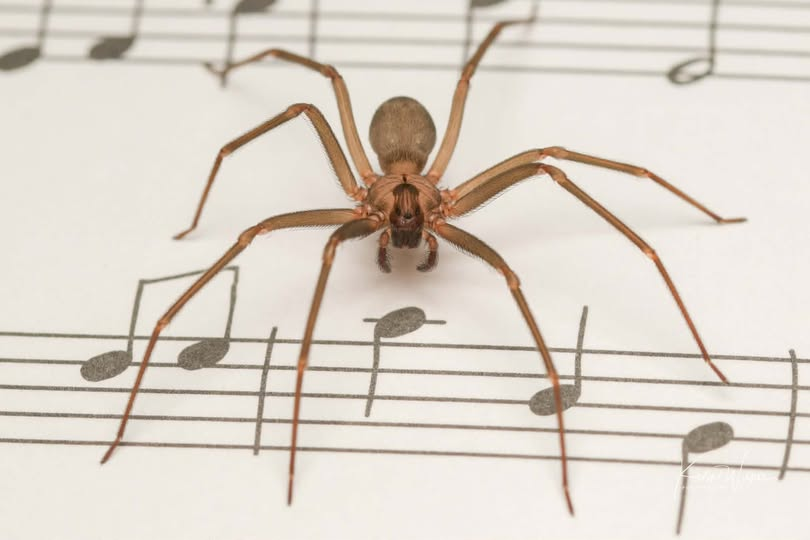
The brown recluse is commonly found in homes.
It was a Tuesday morning when a reader messaged us in a panic. She had found a small brown spider in her son’s shoe, the same shoe he had just finished putting on. That moment of fear is something millions of American homeowners experience every single year.
We have spent years working with pest professionals, reviewing medical bite cases, and helping families identify dangerous spiders in their homes. And the one thing we have learned above everything else is this: panic comes from a lack of information, not from the spider itself.
Are All Spiders Dangerous? The Truth May Surprise You
Most spiders are completely harmless to people. Out of more than 43,000 spider species worldwide, fewer than 30 have ever caused a human death. Spiders use venom to hunt insects — not to attack humans.
But here is something most people get wrong straight away.
Venomous vs Poisonous: The Myth Everyone Gets Wrong
People often say “poisonous spiders”. That is actually incorrect. Spiders are venomous, not poisonous. Here is the simple difference:
- ‘Venomous’ means the creature injects toxins through a bite or sting
- ‘Poisonous’ means something is harmful when you eat or touch it
Spiders inject their venom through their fangs. So they are venomous. This topic is not just a grammar lesson. Understanding these facts helps you understand real risk levels. In the United States, only two spider groups are truly dangerous to healthy adults: recluse spiders and widow spiders. Everything else is mostly manageable at home.
The Brown Recluse Spider: America’s Most Dangerous House Spider
The brown recluse (Loxosceles reclusa) is one of the most feared spiders in North America — and for good reason. Its venom is powerful enough to destroy skin tissue. Yet most people cannot even identify it correctly.
What Does a Brown Recluse Do? Look like what?
The brown recluse is small. Its body is only about half an inch long. It is light to medium brown in colour. The most important feature is a dark, violin-shaped marking on its back just behind the head. This is why it is sometimes called the “fiddle-back spider”.
Another key detail: it has six eyes arranged in three pairs. Most spiders have eight eyes arranged in two rows of four. That difference is a strong identification clue when you are trying to figure out what you are looking at.
Pro Tip: Never try to get close enough to count a spider’s eyes without protection. If you suspect it is a brown recluse, keep your distance and call a pest professional.
Where Are Brown Recluse Spiders Found?
Brown recluse spiders love dark, quiet, undisturbed spaces. Indoors, you will most likely find them in:
- Closets and wardrobes
- Cardboard storage boxes
- Attics and crawl spaces
- Basements and garages
- Inside old shoes and folded clothing that has not been worn in a while
- Behind furniture pushed tight against the wall
Outdoors, they hide under woodpiles, rocks, and yard debris. They are most common in the South and Midwest US – including Texas, Missouri, Oklahoma, Arkansas, and Tennessee.
What Does a Brown Recluse Bite Look Like?
This is one of the most searched spider questions in the US. Here is a clear, day-by-day breakdown of what a brown recluse bite looks like as it progresses:
| Timeframe | What You Might See |
| First 1–6 Hours | Small red mark, often painless. It may look like a tiny pimple. |
| 6–12 Hours | Redness spreads. A small white blister may form in the centre. |
| Day 1–3 | Bruising appears. The centre turns pale or dark. A “bull’s-eye” pattern is common. |
| Week 1–2 | An open sore may develop. In severe cases, tissue begins to die (necrosis). |
| Week 2–8 | The wound may grow deeper. Scarring is possible without medical treatment. |
Most bites do heal on their own. However, children, elderly people, and those with weak immune systems face higher risks of serious complications.
Brown Recluse Bite Symptoms to Watch For
Beyond the skin wound, a brown recluse bite can also cause:
- Fever and chills
- Nausea or vomiting
- Joint pain
- A widespread skin rash
- In rare and severe cases — dark urine, which signals a serious systemic reaction
Go to the emergency room immediately if you develop spreading redness, a growing dark wound, fever, or dark urine after a suspected bite.
Brown Recluse Bite First Aid: Do This Right Away
- Stay calm and move away from the spider
- Wash the bite with soap and water
- Apply a cold compress — 10 minutes on, 10 minutes off
- Elevate the bitten arm or leg above heart level
- Take over-the-counter pain relief like paracetamol (Tylenol)
- Call Poison Control at 1-800-222-1222 or visit a doctor the same day
Do not try to suck out the venom or cut open the bite. This action causes more harm than good.
The Black Widow Spider: The Most Venomous Spider in North America
The black widow is not just famous — it is genuinely dangerous. It produces a neurotoxin that attacks your nervous system directly. That makes it very different from the brown recluse, whose venom destroys tissue. These two spiders cause harm in entirely different ways.
What Does a Black Widow Look Like?
The black widow is easy to identify once you know what to look for. It has a shiny, jet-black body about half an inch long. The most recognisable feature is the red hourglass marking on the underside of its abdomen. Some species have two red triangles instead of a full hourglass. Others may appear dark brown rather than pure black.
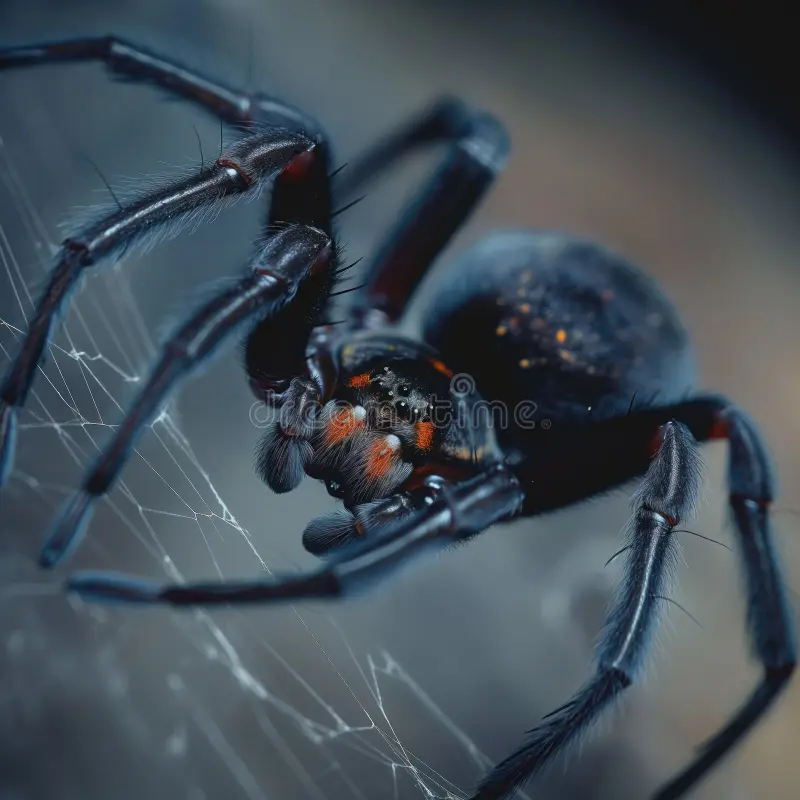
One critical fact most people do not know: only female black widows bite humans. Male black widows are too small to pierce human skin. So if you encounter a black widow, the female is always the one to be cautious around.
Where Are Black Widows Found?
Black widows are found throughout the United States, but they are most common in the South and West. They prefer warm, sheltered, undisturbed outdoor spaces. Look for them in:
- Woodpiles and log stacks
- Under decks and porches
- Inside sheds, garages, and barns
- Around outdoor furniture left undisturbed for long periods
- In stone walls and fences
Indoors, they tend to stay in dark, low areas like crawl spaces, attics, and basements. They build irregular, messy-looking webs close to the ground, not the neat, circular webs most people picture.
What Does a Black Widow Bite Feel Like?
A black widow bite works very differently from a brown recluse bite. It does not destroy skin tissue. Instead, it hits your nervous system fast. Here is how symptoms typically progress:
- At the bite: A sharp, pinprick-like pain; some people barely feel it at first
- 15–60 minutes later: Dull, spreading muscle pain moving away from the bite site
- 1–3 hours later: Severe muscle cramps and spasms often felt in the abdomen, chest, or back
- Accompanying symptoms: Nausea, sweating, fever, high blood pressure, and anxiety
A black widow bite is usually not fatal in healthy adults. However, young children, elderly people, and anyone with heart or blood pressure conditions face serious risk. Do not wait. Go to the emergency room.
Black Widow Bite First Aid
- Stay calm movement spreads venom faster through the body
- Wash the bite with soap and water
- Apply a cold, damp cloth or ice pack to the area
- Call Poison Control immediately: 1-800-222-1222
- Go to the emergency room — antivenom is available and highly effective
Do not try to treat a confirmed black widow bite at home beyond these basic steps.
Wolf Spiders: Big and Scary — But Are They Actually Dangerous?
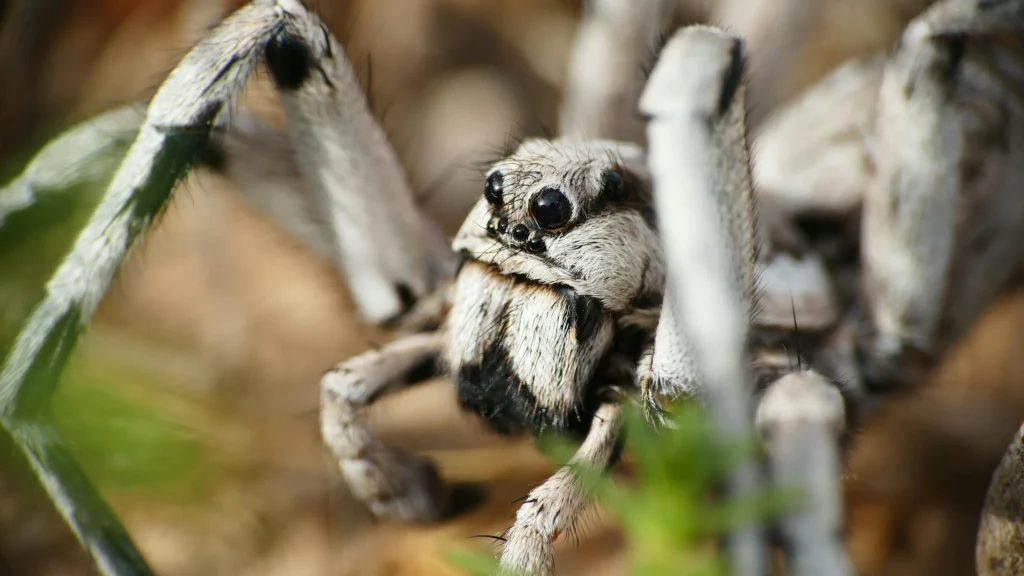
Few spiders cause more panic than the wolf spider. It is large. It is hairy. It moves fast. And it seems to appear out of nowhere. But the real question homeowners ask is: are wolf spiders dangerous?’
Are Wolf Spiders Poisonous?
Like all spiders, wolf spiders are venomous — not poisonous. However, their venom is not medically dangerous to healthy humans. A wolf spider bite is generally compared to a bee sting. It hurts and causes some redness and swelling. But it does not require emergency treatment in most cases. So are wolf spiders dangerous? Not in the same way a brown recluse or black widow is. But they can still bite if cornered or handled.
Do Wolf Spiders Bite?
Yes, wolf spiders can and do bite. They are not aggressive by nature. They do not seek out humans. However, if you accidentally trap a spider in your shoe, grab one from a pile of laundry, or startle one in a dark corner, it may bite in self-defence.
Wolf spider bite symptoms include the following:
- Sharp, stinging pain at the bite site
- Redness and mild swelling
- Itching that lasts a few days
- In rare cases an allergic reaction requiring immediate medical attention
Most wolf spider bites heal within a week without any treatment beyond basic first aid.
How Big Do Wolf Spiders Get?
Wolf spiders are among the largest spiders found inside US homes. Their body length typically ranges from ½ inch to 2 inches. Their long legs make them look even larger than they are. Wolf spiders are grey to dark brown with patterned stripes running down their back. They do not spin webs to catch prey. Instead, they actively chase down insects on the ground, which is exactly where their name comes from.
How Long Do Wolf Spiders Live?
Male wolf spiders typically live about one year. Female wolf spiders can live up to three years. Female wolf spiders carry their egg sacs attached to the back of their body, and after the eggs hatch, the baby spiders ride on the mother’s back. This sight can look alarming, but it is completely normal spider behaviour.
Where Do Wolf Spiders Live?
Wolf spiders are found across the entire United States. They are highly adaptable. Outdoors, they prefer grasslands, gardens, leaf litter, and areas around the perimeter of buildings. Indoors, they enter homes through gaps under doors, cracks in foundations, and torn window screens. They are most often spotted in garages, basements, and ground-floor rooms, especially at night when they hunt. And do wolf spiders jump? They can lunge forward quickly when threatened, but they are not true jumping spiders. Their fast, unpredictable movements are simply what startles most people.
Other Dangerous Spiders You Might Find Indoors
The brown recluse, black widow, and wolf spider get most of the attention. But two other species are commonly found inside US homes, and they cause more bites than most people realise.
The Yellow Sac Spider: The Most Common Biting Spider in Your Home
If you have ever woken up with a mysterious bite and blamed a spider, there is a good chance it was a yellow sac spider not a brown recluse. Yellow sac spiders are responsible for more indoor spider bites in the United States than any other species. Yet most homeowners have never even heard of them.
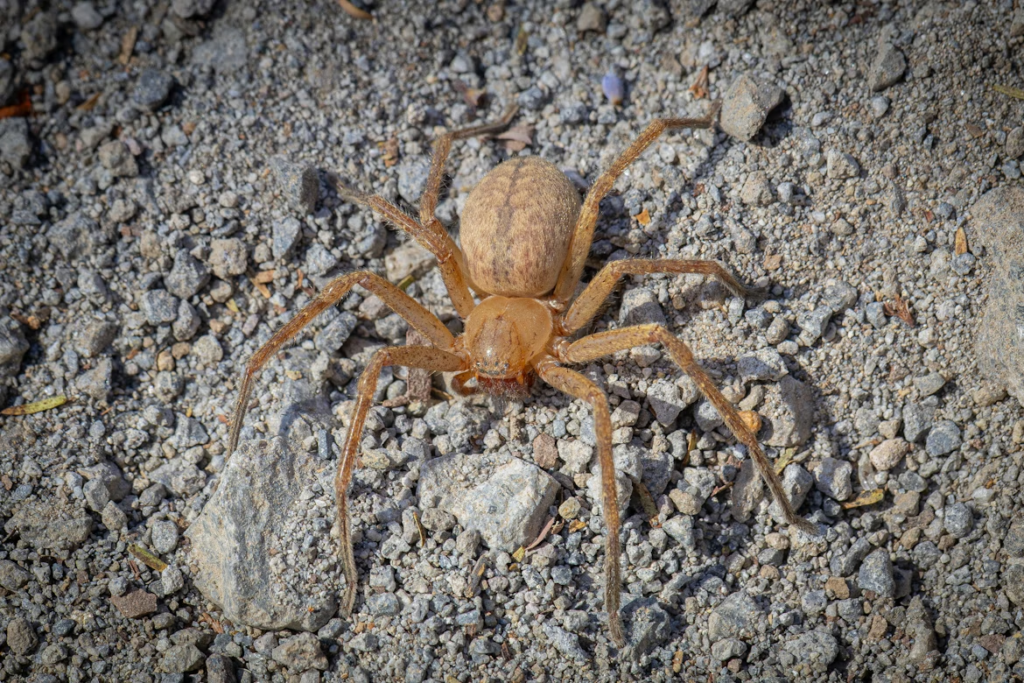
Yellow sac spiders are small, only about ¼ to ⅜ of an inch long. Their bodies are pale yellow to light green, and sometimes cream-coloured. Their front legs are noticeably longer than the other pair’s, and they do not spin traditional webs. Instead, they build small silk tubes or “sacs” in corners, along ceilings, behind curtains, and under furniture – which is precisely where their name comes from.
Yellow sac spiders are found across the entire US and enter homes during autumn and winter to escape the cold. Inside, they are most active at night and hide during the day inside those small silk sacs in high corners and undisturbed spaces. They do not bite to hunt. They bite when they feel trapped, often when a person rolls over on one in bed or gets one caught inside their clothing.
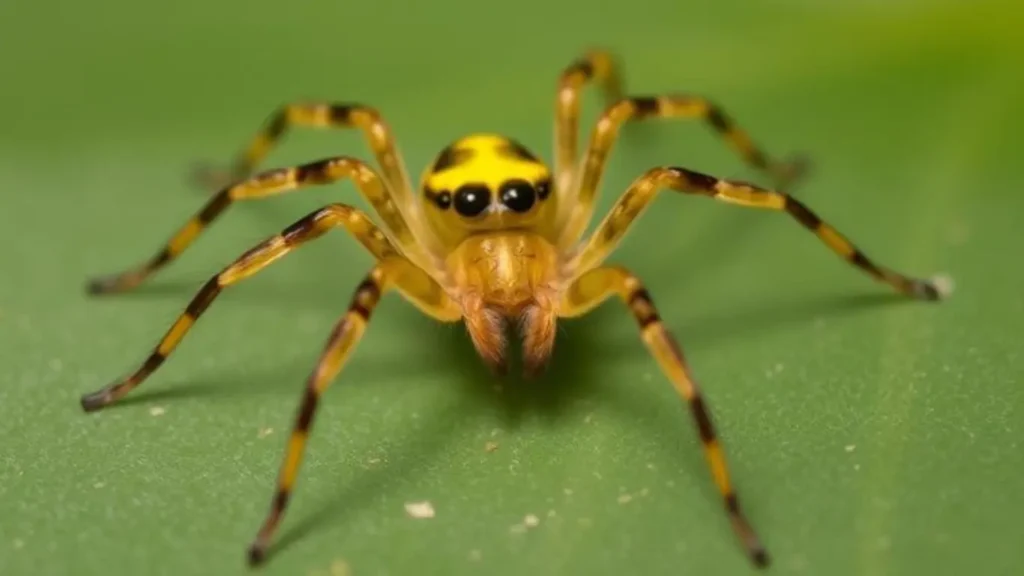
Symptoms of a yellow sac spider bite include the following:
- An immediate sharp sting or burning sensation at the bite site
- Redness, swelling, and a small blister within a few hours
- Mild pain that usually resolves within 6–10 days
- Rarely a slow-healing skin lesion similar to, but far less severe than, a brown recluse bite
Yellow sac spider bites are frequently misdiagnosed as brown recluse bites. The wound looks similar but heals much faster and rarely causes tissue death.
The Hobo Spider: A Concern for Pacific Northwest Homeowners
The hobo spider (Eratigena agrestis) is found mainly in the Pacific Northwest, including Washington, Oregon, Idaho, and Montana. It is less of a concern in other parts of the US. But in its range, it is one of the most commonly encountered house spiders.
The hobo spider is medium-sized, brown, and often confused with the brown recluse. It does not have the violin marking. It builds funnel-shaped webs low to the ground usually against walls, under furniture, or in corners of basements and garages. It is a poor climber, so it is almost never found above ground level.
Earlier research suggested hobo spider bites could cause necrotic wounds similar to the brown recluse. More recent scientific studies have significantly revised that view. The hobo spider is now considered far less medically dangerous than previously believed. However, their bites can still cause localised pain, redness, and headaches lasting several days, and children, elderly individuals, and immunocompromised people should still seek medical advice after any suspected bite.
Camel Spiders (Sun Spiders): The Most Exaggerated Spider on the Internet
Few creatures have generated more fear and more false information than the camel spider, also called the ‘sun spider’ or ‘wind scorpion’. Viral photos have made them look like monsters. Almost everything spread about them online is completely untrue.
Are Camel Spiders Poisonous?
Camel spiders are not actually spiders. They belong to their own separate order (Solifugae). They are not venomous and have no venom glands at all. They kill prey purely with their powerful jaws. Their maximum total length, including legs, reaches about 6 inches, roughly the size of an adult hand, which is far smaller than the viral photos suggest. Those famous photos use forced camera perspective to make them look enormous.
Common camel spider myths — all false:
- They grow as large as a dinner plate (Maximum total length including legs: about 6 inches)
- They run at 25 mph (Fastest recorded speed: about 10 mph)
- Their bite causes flesh to rot (No venom exists; wounds come from the mechanical bite itself)
- They chase humans (They run toward your shadow seeking shade, not toward you.)
Camel spiders live mainly in desert regions of the American Southwest and the Middle East. They are not common household spiders for most Americans.
Dangerous Spiders by US State
Poisonous Spiders in Texas
Texas is home to both the brown recluse and the black widow, the two most medically significant spiders in the US. The brown recluse is widespread across central and eastern Texas, while black widows are found statewide, especially in outdoor sheds, under decks, and inside woodpiles. Texas homeowners should also watch for the desert recluse (Loxosceles deserta) in far western Texas and the brown widow spider in southern counties near the Gulf Coast.
Poisonous Spiders in Florida
Florida’s warm, humid climate supports a wide variety of spider species year-round. The most dangerous ones include the black widow, found statewide; the brown widow, increasingly common across southern Florida; and the red widow, unique to central Florida’s sand pine scrub habitat. One important note: the brown recluse is far less common in Florida than most people believe. Many bites blamed on brown recluses in Florida are actually from other spider species – or from skin infections like MRSA that look nearly identical.
7 Spider Venom Myths — Busted With Science
Myth 1: “Daddy Long Legs Are the World’s Most Venomous Spiders.”
This claim is
one of the most widespread spider myths on the entire internet and it is completely false. Daddy longlegs, also known as harvestmen, are not even true spiders. They have no venom glands at all. Scientists and even MythBusters have thoroughly debunked the myth.
Myth 2: “All Spider Bites Cause Flesh to Rot”
This assertion is false. Only a small percentage of brown recluse bites develop into necrotic wounds. Most bites even from brown recluses heal on their own without any tissue damage whatsoever.
Myth 3: “You Can Always See Two Fang Marks on a Spider Bite”
This is false. Spider fangs are often far too small to leave visible puncture marks on human skin. In reality, most mysterious skin wounds blamed on spiders are actually caused by MRSA, other insect bites, or common skin conditions that look nearly identical.
Spider Bite vs. MRSA: The Misdiagnosis That Doctors Warn About
This condition is not just a myth it is a real medical problem that deserves its own explanation. MRSA (Methicillin-resistant Staphylococcus aureus) is a bacterial skin infection that looks almost identical to a brown recluse spider bite. Both start as a red, swollen bumps. Both can develop a dark centre. Both can progress into an open, worsening sore.
Thousands of people visit doctors every year with a “spider bite” and leave with a diagnosis of MRSA. Studies have found that the majority of wounds diagnosed as spider bites are actually bacterial skin infections. The key question your doctor will ask is whether you were even in an area where brown recluse spiders actually live because they are simply not present in most of the Northeast or the Pacific Coast.
Never assume a mysterious skin wound is a spider bite. The treatment for MRSA is antibiotics. The treatment for a brown recluse bite is wound care. Getting the wrong treatment delays healing and can make things considerably worse.
Myth 4: “Bigger Spiders Are More Dangerous”
This statement is false. Size has nothing to do with danger level. The brown recluse—one of the most dangerous US spider has a body smaller than a quarter. Tarantulas, on the other hand, look impressively intimidating but are almost completely harmless to people.
Myth 5: “Wolf Spiders Are Deadly”
This assertion is false. Wolf spider venom is not lethal to healthy humans. Their bites cause temporary discomfort comparable to a bee sting. The fear around them is almost entirely driven by their large size and quick, unpredictable movement.
Myth 6: “Spiders Lay Eggs Under Human Skin”
This is a pure horror movie myth. No spider species lays eggs in human skin. It has never been documented in medical literature not once.
Myth 7: “Any Mysterious Skin Wound Must Be a Spider Bite”
Studies consistently show that most wounds diagnosed as spider bites are actually other conditions entirely. Unless you saw a spider bite you or caught the spider itself you simply cannot confirm it was a spider. Always consult a doctor for a proper diagnosis instead of making assumptions.
How to Keep Dangerous Spiders Out of Your Home
Prevention is always better than treatment. Here are the most effective steps you can take right now.
Seal entry points:
- Caulk cracks around windows, doors, and your foundation
- Install door sweeps on all exterior doors
- Check for gaps around utility pipes, cables, and vents
Remove their hiding spots:
- Declutter basements, attics, and garages regularly
- Store clothing and shoes in sealed plastic bins not cardboard boxes
- Always shake out shoes and clothing before wearing if stored in a garage or closet
- Keep firewood stacked at least 20 feet away from your home
Reduce their food supply:
- Fix leaky pipes and eliminate moisture. Insects love damp areas, and spiders follow their food
- Minimize outdoor lighting near doors and windows; lights attract insects, and insects attract spiders
When to call a pest professional: Finding one or two spiders inside your home is completely normal. But if you are repeatedly finding brown recluses or black widows in your living spaces, especially bedrooms, contact a licensed pest control company. A professional can identify the species, locate nesting areas, and apply targeted treatment safely.
Frequently Asked Questions
What is the most dangerous spider in the US?
The brown recluse and the black widow are the two most medically significant spiders in the country. In terms of tissue damage, the brown recluse is generally considered more dangerous. In terms of nervous system impact, the black widow’s neurotoxin is more immediately potent.
Are wolf spiders dangerous to dogs and cats?
Wolf spider bites can cause mild irritation in pets. If your pet is bitten and shows signs of excessive licking, swelling, or unusual lethargy, you should take it to the vet as a precaution.
How do I keep brown recluse spiders out of my bed?
Pull your bed away from the wall, remove bedskirts that touch the floor, and never leave clothing piled on the floor. Checking your sheets before getting into bed is a simple habit that significantly reduces the chance of a night-time encounter.
What does a brown recluse bite look like in the beginning?
In the first few hours, it looks like a small red bump, often painless and may resemble a minor pimple or insect bite. Within 6 to 12 hours, the skin around it may redden, and a small blister can form in the centre.
Can a wolf spider kill you?
No. Wolf spider bites are not lethal to healthy adults. An allergic reaction is theoretically possible but is extremely rare.
Are camel spiders dangerous to humans?
Camel spiders have no venom at all. Their bite can cause a painful wound due to their strong jaws, but there is no toxin involved. They are not considered medically dangerous to humans.
What is the difference between a brown recluse and a wolf spider?
The brown recluse has six eyes, a violin shaped marking on its back, and is smaller in size. The wolf spider has eight eyes and patterned stripes and is significantly larger. Brown recluse venom is medically dangerous. Wolf spider venom is not.
Final Thoughts: What Years of Studying Home Spiders Has Taught Us
After years of researching spider behaviour and working alongside licensed pest professionals across the US, one thing stands out clearly. Fear is not your enemy misinformation is.
Most spiders you encounter in your home will never hurt you. But the brown recluse and the black widow deserve genuine respect because their bites can cause serious harm when left unrecognised and untreated.
We have seen the MRSA misdiagnosis happen too many times. A wound that looks like a spider bite is not always a spider bite. If something on your skin is getting worse instead of better, do not wait get it seen by a doctor.
Prevention is always cheaper than treatment. Seal the gaps, declutter your storage spaces, and shake out your shoes. These simple steps make the most significant difference for families living in high-risk zones like Texas, Florida, and the Midwest.
We built this guide because every homeowner deserves clear, honest, expert-backed information without wading through horror stories or outdated myths. Knowledge is the only thing that turns a moment of panic into a moment of confidence.
If you ever face a bite you cannot identify, call Poison Control at 1-800-222-1222. They are available 24 hours a day, 7 days a week. You found this guide because you wanted real answers — and that already puts you ahead.