The Definitive Bed Bug Treatment Guide: Heat, Steam, Encasements & Expert-Proven Methods That Actually Work
Bed bug treatment is very crucial for a better life.
I still remember the morning I realised something was very wrong.
I woke up with three red welts on my forearm. I thought it was a mosquito. I ignored it. The next morning, there were seven. By the end of that week, I had bites running up both arms and across my neck, and I had not slept through a single night.
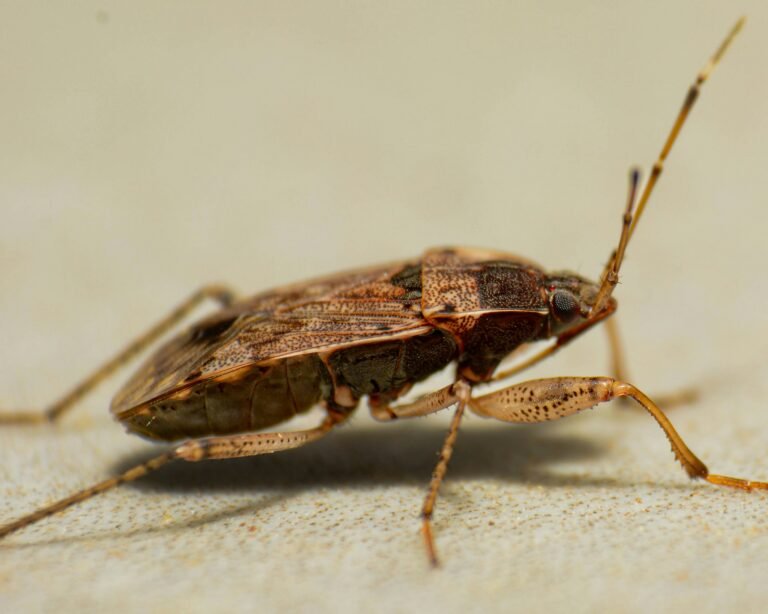
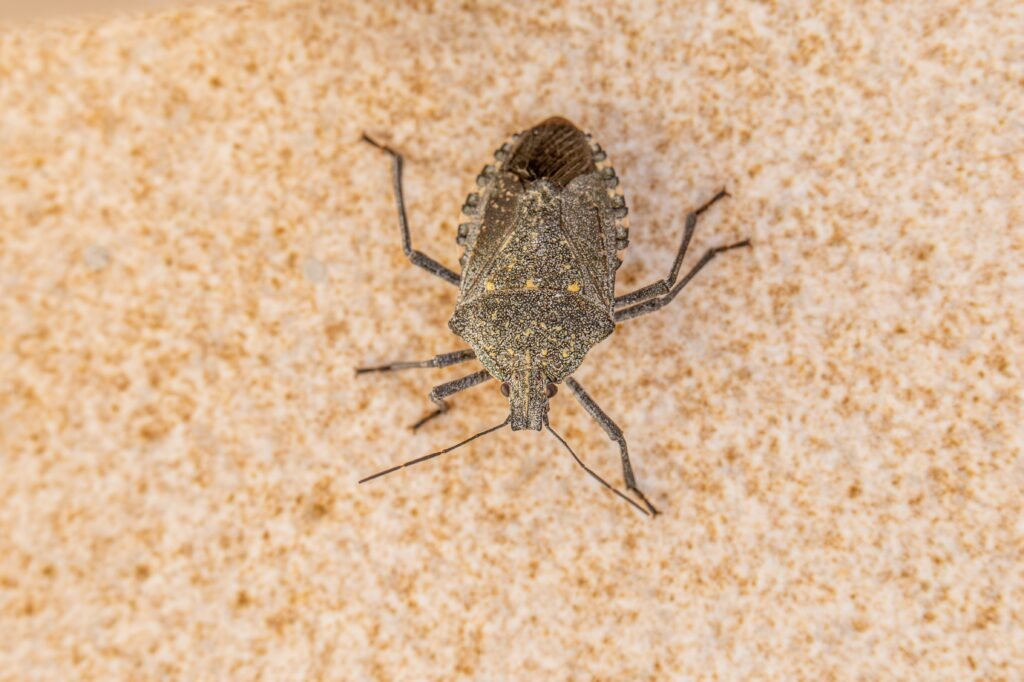
I tore my mattress apart. I found them. Small, flat, reddish-brown insects tucked deep into the seams. My stomach dropped.
What followed was three months of frustration, wasted money, and a lot of sleepless nights. I sprayed the wrong products. I used a steamer incorrectly. I bought a mattress cover too late. Every mistake I made is one I now see people repeat every single day.
That experience – combined with years of researching and writing about pest control, consulting entomologists, and studying peer-reviewed research from institutions like Rutgers University, Cornell IPM, and the U.S. EPA is what built this guide.
I wrote this for the person who is exhausted and overwhelmed. For the person who has already tried something and it did not work. For the person who is lying awake right now wondering if those itchy spots are what they think they are.
Here is what most guides will not tell you upfront:
There is no single product, spray, or service that eliminates bed bugs on its own. Not heat. Not steam. Not encasements. Not chemicals. Anyone who tells you otherwise is either selling something or has not dealt with a real infestation.
What works is a specific combination of methods applied in the right order, at the right time, with proper follow-up. This guide walks you through all of it. No fluff. No vague advice. Just what actually works, what does not, and exactly why.
At a Glance: What This Guide Covers
Before you read further, here is a quick summary of what you will find:
| Topic | What You Will Learn |
| The Science | Exact temperatures and times that kill bed bugs and their eggs |
| Heat Treatment | How professional heat works, costs, DIY options, and its real limitations |
| Steam Treatment | How to use a steamer correctly — and where it fails |
| Freeze Treatment | When Cryonite makes sense and when it does not |
| Encasements | What mattress covers actually do, what to look for, and how long to use them |
| Preparation Checklist | What to do before any treatment begins |
| Integrated Protocol | The 7-step combined method that actually eliminates infestations |
| Post-Treatment | How to confirm the bugs are truly gone |
| Pesticide Resistance | Why common sprays are failing more US households and what works instead |
| Apartments | Why apartment infestations need a completely different approach |
| Failure Reasons | The five mistakes that cause treatments to fail |
Time to read: approximately 15–18 minutes. Worth every minute if you are dealing with this problem right now.
What Kills Bed Bugs? The Science You Need to Know First
Before choosing a treatment, you need to understand one key fact. Bed bugs die from heat. That is the foundation of every effective bed bug treatment method.
Here is the basic science:
- Bed bugs die within 20 minutes at 118°F (48°C).
- Their eggs need 90 minutes at 118°F to reach 100% mortality.
- At 122°F (50°C), both bugs and eggs die much faster.
- Steam typically reaches 160–180°F at the nozzle – well above the lethal threshold.
This is why heat-based treatments are so popular. However, heat alone is rarely enough. The bugs must actually reach that temperature at their core for the required time. That is harder than it sounds.
Bed Bug Heat Treatment: The Most Powerful Option
How Professional Heat Treatment Works
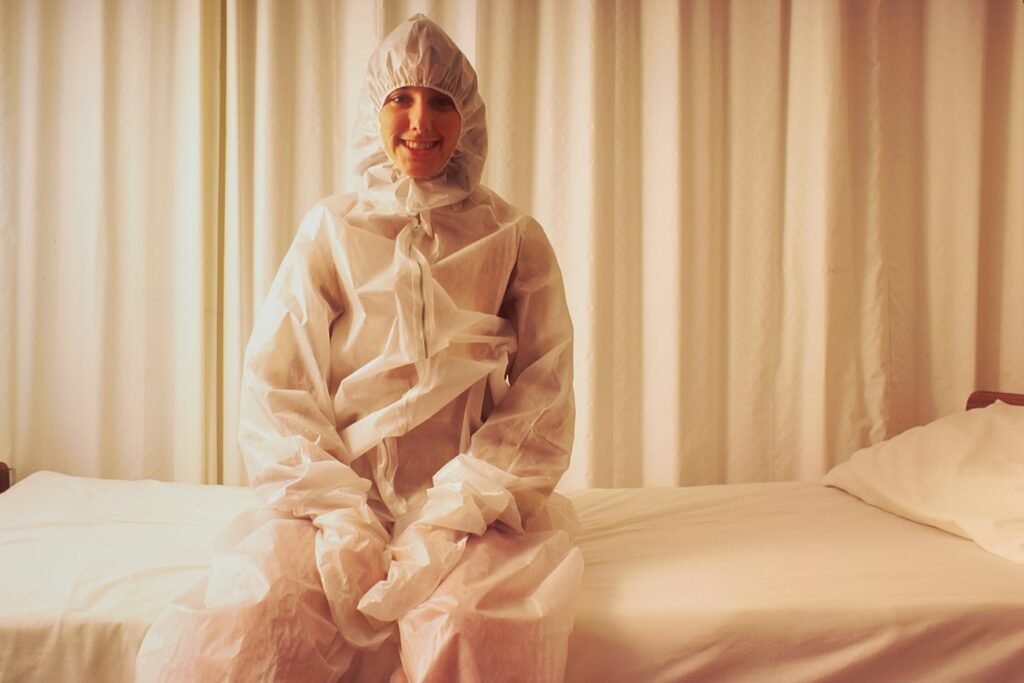
A professional bed bug treatment heats your entire room or home to above 120°F. Technicians use powerful electric heaters and fans. The fans push hot air into every corner, crack, and crevice. The goal is to hold that temperature for at least 90 minutes, often longer.
This method works on all life stages. It kills eggs, nymphs, and adult bed bugs. It also reaches inside mattresses, inside walls, and behind baseboards where sprays cannot penetrate.
The biggest advantage? It can often be done in a single day. You can return to your home the same evening.
How Much Does Bed Bug Heat Treatment Cost?
Cost is the biggest drawback. Professional heat treatment typically costs $1,000–$3,000 for an average home. Larger homes or severe infestations can push that closer to $5,000 or more.
Here is a quick breakdown:
| Treatment Method | Average Cost (Per Room) | DIY Option? |
| Professional Heat Treatment | $200–$600/room | Rentals available ($300/day) |
| Steam Treatment | $250–$1,000/room | Yes ($75–$1,300 steamer) |
| Chemical Treatment | $270–$775/room | Yes (sprays ~$40) |
| Mattress Encasements | $10–$80/piece | Yes |
| Freeze bed bug Treatment (Cryonite) | $400–$800/room | No |
DIY Bed Bug Heater Rent or Buy?
You do not always need a professional. DIY bed bug heater rentals cost around $300 per day. Buying a portable heat chamber for smaller items costs $200–$350.
Products like the ZappBug Heater are popular for treating shoes, bags, and electronics. These work well for smaller infestations or for decontaminating specific items. However, they cannot treat an entire room.
For whole-room DIY heat treatment, renting professional-grade equipment is your best bet. But follow all safety instructions carefully. High heat can damage electronics, warp vinyl blinds, and — in rare cases cause fire hazards.
The Clothes Dryer The Most Overlooked DIY Heat Tool
Most people forget about this one. Your household clothes dryer is one of the most effective and most accessible bed bug heat tools available.
Research confirms that a dryer set on high heat kills all bed bug life stages. This includes eggs, nymphs, and adults. The key numbers:
- Minimum temperature: 120°F sustained throughout the load
- Minimum time: 30 minutes on the hottest setting
- Do not overfill: Crowded items block airflow and create cool spots where bugs survive
The dryer works for clothing, bedding, pillows, stuffed animals, shoes, backpacks, and fabric curtains. Items that cannot go in a washer can still go in the dryer alone. In fact, drying first — before washing is recommended by Cornell IPM, since the heat kills bugs before water disperses them.
The dryer does not solve a full infestation. But it is a fast, chemical-free way to decontaminate clothing and soft items during treatment.
What Heat Treatment Cannot Do
Here is what many pest companies do not tell you upfront:
- Heat does not provide residual protection. Bed bugs can re-enter your home within hours of treatment.
- Heat can create “cold spots” in rooms with concrete floors or thick walls. Bugs hiding there may survive.
- Large homes are harder to treat evenly with heat. Smaller apartments respond much better.
Heat bed bug treatment should always be followed by encasements and monitoring.
Bed Bug Steam Treatment Affordable but Limited
How a Bed Bug Steamer Works
A bed bug steamer delivers high-temperature steam directly to surfaces where bugs hide. At the nozzle, steam can reach 212°F or higher. That temperature kills bed bugs on contact.
Steam is especially effective on:
- Mattress seams and folds
- Box spring edges and tufts
- Upholstered furniture seams
- Baseboards and carpet edges
- Bed frames and headboards
The key is moving slowly. Experts recommend moving the steamer head at roughly 12 inches every 30 seconds. Move too fast, and the heat does not penetrate deep enough to kill bugs.
Choosing the Right Bed Bug Steamer
Not all steamers are equal. For bed bug treatment, you need a steamer that reliably reaches and holds high temperatures.
For occasional home use, the McCulloch MC1375 or Steamfast SF-370 are reliable budget options. For multiple rooms or frequent use, the Dupray One or Vapamore MR-100 handle longer sessions well. The US Steam Falcon Plus delivers consistent heat and high durability, ensuring professional-grade results.
Always pair your steamer with an infrared thermometer. This lets you confirm the surface is actually reaching lethal temperatures, not just feeling warm.
Where Steam Falls Short
Steam is a great tool. But it has real limitations you should understand:
- Steam only kills bugs it directly contacts. Bugs deeper in walls or under thick mattresses may survive.
- Steam does not eliminate an entire infestation on its own. It reduces populations but rarely ends them.
- Moisture from steam can damage finished wood surfaces and certain fabrics, like microfibre.
- You will likely need to repeat treatments several times over days or weeks.
Furthermore, steam has zero residual effect. As soon as it cools, surviving bugs can return to treated areas. This is why steam works best as part of a larger treatment plan, not as a standalone fix.
Freeze Treatment (Cryonite): The Chemical-Free Cold Option
Freeze treatment is a lesser-known option. It uses carbon dioxide (CO₂) snow sprayed at extremely high pressure to freeze bed bugs on contact. The temperature drops to around -108°F (-78°C) at the nozzle. That kills bed bugs almost instantly.

When Freeze Treatment Makes Sense
Freeze treatment fills a specific gap. It works well on surfaces where heat or steam would cause damage. This includes:
- Electronic equipment and computers
- Delicate fabrics that cannot tolerate steam moisture
- Artwork, leather items, or heat-sensitive materials
- Tight spaces where heat equipment cannot reach
You can also freeze small items at home. Place items like shoes, books, or small electronics in a sealed plastic bag. Then put them in a chest freezer at 0°F (-18°C) for at least four days. Research from the University of Minnesota confirms that 0°F for four days kills all stages of bed bugs. Note that a standard refrigerator does not get cold enough; it must be a freezer.
Where Freeze Treatment Falls Short
Freeze treatment is not a whole-home solution. The CO₂ disperses quickly and does not penetrate deep into mattresses, walls, or furniture. It also costs $400–$800 per room when done professionally, making it one of the pricier options.
Furthermore, freeze treatment can sometimes blow bugs away rather than killing them. If a bug escapes the spray, it may scatter to another area. Always follow freeze treatment with vacuuming to collect any displaced bugs. Use freeze treatment as a targeted supplement not a primary bed bug treatment method.
Bed Bug Mattress Covers and Encasements: Prevention and Containment
Do Bed Bug Mattress Covers Actually Work?
Yes — but not in the way most people think. Bedbug mattress covers do not eliminate an infestation. However, they are essential tools for both prevention and containment.
Here is what a quality bedbug encasement does:
- Traps existing bugs inside the mattress, where they slowly starve to death.
- Blocks new bugs from entering or hiding inside your mattress and box spring.
- Reduces harbourage areas, making it easier to spot and treat bugs elsewhere in the room.
- Protects your mattress investment during and after treatment.
After treatment, encasements work as your long-term monitoring tool. Any bugs you see on the outside of the cover after bed bug treatment are new bugs clear evidence of reinfestation.
Mattress Encasements vs. Box Spring Encasements
This is a gap most people miss. Bed bugs actually prefer box springs over mattresses. Box springs offer more dark hiding spots and structural cracks. Yet most people only buy a mattress encasement.
Always encase both. Use a bed bug cover on your mattress and your box spring. This is non-negotiable if you want to contain an active infestation.
How to Choose a Bed Bug Encasement
Not every mattress cover stops bed bugs. Many are just basic waterproof covers. When shopping, look for these specific features:
- Lab certification Look for encasements certified by a licensed entomologist. The label should say “bed bug certified” or “bed bug proof”.
- Zipper quality The zipper is the weakest point. Look for micro-zip closures, zipper guards, or “SureSeal” style locking systems.
- Material Woven polyester or cotton terry are breathable and durable. Avoid thin vinyl, which tears easily.
- Six-sided coverage The encasement must wrap every side of the mattress, not just the top.
- Correct depth Measure your mattress height before buying. Most encasements fit mattresses up to 12–18 inches deep.
Top-rated options in the US market include the SureGuard Mattress Encasement (premium), Linenspa Zippered Encasement (budget), and Clean Rest Pro (best zipper system).
How Long Should You Leave Encasements On?
This is one of the most searched questions about encasements and rarely answered clearly. The recommended time is at least 12–18 months.
Why so long? Because bed bugs can survive for several months without a blood meal. You need the encasement to stay on long enough for any trapped bugs to die of starvation. Removing it too early risks releasing surviving bugs back into your mattress.
Heat vs. Steam vs. Encasements vs. Chemicals Side-by-Side Comparison
| Factor | Heat Treatment | Steam Treatment | Encasements | Chemical Treatment |
| Kills All Life Stages? | Yes | Yes (on contact) | No | Yes (most products) |
| Works in One Treatment? | Often, yes. | Rarely | No | Rarely |
| Residual Protection? | No | No | Yes (physical barrier) | Yes (weeks) |
| DIY Friendly? | Moderate | Yes | Yes | Yes |
| Chemical Free? | Yes | Yes | Yes | No |
| Cost | $$$$ | $$ | $ | $$ |
| Best Use Case | Severe infestation | Targeted spot treatment | Prevention + containment | Ongoing management |
Pre-Treatment Preparation Checklist: Do This Before Anything Else
One of the biggest reasons bed bug treatments fail is poor preparation. Many people skip this step entirely. Others rush through it. That is a costly mistake.
Good preparation makes every bed bug treatment method more effective. It also helps prevent bugs from spreading to clean areas during treatment. Here is exactly what to do before your bed bug treatment begins:
Bedding and Clothing
- Strip all beds and bag bedding in sealed plastic bags immediately.
- Wash bedding in hot water (140°F) and dry on high heat for 30+ minutes
- Place clean items in fresh sealed bags; do not return them to the room until bed bug treatment is complete.
- Bag all clothing in the treated room and wash on hot
Furniture and Clutter
- Remove all clutter from the floor; bedbugs love to hide in piles
- Pull furniture 6 inches away from walls to allow heat and steam access
- Do not move furniture or belongings to other rooms this spreads the infestation
- Place small items that cannot be laundered into plastic bags for heat chamber treatment
The Bedroom
- Do not sleep in another room during treatment; this causes bugs to follow you and spread
- Remove electrical outlet covers so bugs hiding behind them can be treated
- Vacuum all surfaces before treatment, including mattress seams, furniture edges, and baseboards
- Dispose of the vacuum bag immediately in a sealed bag taken outside
Electronics and Valuables
- Remove or bag heat-sensitive items if whole-room heat bed bug treatment is planned
- Consult your pest control company about items like laptops, candles, or aerosol cans
- Move medications and heat-sensitive products to a cooler area of the home
Pets and People
- Arrange for pets and people to leave during professional heat or chemical treatments
- Cover or remove fish tanks’ heat, as some chemicals can harm aquatic life
- Follow your exterminator’s specific re-entry instructions before returning home
Skipping even a few of these steps can reduce bed bug treatment effectiveness significantly. Think of preparation as the first treatment; it matters just as much as what comes after.
What Actually Works: The Integrated Treatment Protocol
Here is the honest truth that most pest control articles avoid: no single method works alone.
Even professional heat treatments fail without follow up. Steam is not enough on its own. Encasements cannot eliminate an active infestation. And chemicals alone are increasingly less effective as bed bugs develop resistance.
What actually works is a combined, step-by-step approach. Here is the protocol used by leading entomologists:
Step 1: Inspect and Identify
First, confirm you actually have bed bugs. Look for dark faecal spots, shed skins, blood stains on sheets, and live bugs in mattress seams. Do not skip this step. Many people treat for bedbugs when the problem is something else entirely.
Step 2: Launder and Contain
Wash all bedding, clothing, and linens in hot water. Dry on high heat for at least 30 minutes. Place clean items in sealed plastic bags. This step removes a large number of bugs immediately.
Step 3: Vacuum Thoroughly
Vacuum all mattress seams, furniture edges, baseboards, and carpet edges. After vacuuming, immediately remove the bag or canister. Seal it in a plastic bag and throw it outside.
Step 4: Apply Steam or Heat
Apply steam bed bug treatment to all furniture, mattress seams, baseboards, and carpet edges. Alternatively, use professional or rented heat equipment for whole-room treatment. This step kills the bugs you can see and many you cannot.
Step 5: Apply Targeted Chemical Treatment
After heat or steam, apply a residual pesticide to baseboards, cracks, and crevices. Products containing pyrethroids or diatomaceous earth work well. This creates a long-term chemical barrier for any bugs that survived the heat phase.
Step 6: Install Encasements
Immediately after treatment, encase all mattresses and box springs. This traps any surviving bugs and prevents reinfestation of your bedding. Keep encasements on for at least 12–18 months.
Step 7: Monitor and Follow Up
Place bed bug interceptor traps under each bed leg. Check them weekly. Schedule a follow-up inspection 2–4 weeks after treatment. If you see new activity, treat again. Persistence is the most important factor in successful elimination.
How to Know If Your Bed Bug Treatment Worked
This is one of the most searched questions after bed bug treatment and almost no article answers it clearly. How do you actually confirm the bugs are gone?
Here is what to look for in the weeks following treatment:
Signs bed bug Treatment Is Working
- No new bites. Bite activity should decrease significantly after the first bed bug treatment and stop entirely after the second.
- No live bugs on interceptor traps. Check the traps under each bed leg weekly. Zero live bugs after 3–4 weeks is a strong positive sign.
- No fresh faecal spots. Old dark stains may remain on surfaces. But fresh, wet-looking spots on your encasement or sheets are a warning sign of surviving bugs.
- No shed skins or eggs in new areas. If cast skins only appear in places already treated, that is likely old debris. New shed skins in untreated areas signal active bugs.
Signs bed bug Treatment Has Not Fully Worked
- Bites continue or return two weeks or more after treatment
- Live bugs appear on interceptor traps after week three
- Fresh fecal spots appear on the outside of your encasement
- You find live bugs during your follow-up inspection
How Long Until You Can Confirm Success?
Most pest control professionals recommend waiting 6–8 weeks before declaring an infestation resolved. This accounts for the full egg hatching cycle. If interceptor traps show zero activity for six consecutive weeks, you can be reasonably confident the infestation is under control.
Do not remove encasements during this period. Keep monitoring monthly for at least six months after bed bug treatment ends.
Top 5 Reasons Bed Bug Treatments Fail
Even with the best methods, treatments can fail. Here is why and how to avoid it:
1. Missing hidden bugs. Bed bugs hide in wall outlets, behind baseboards, inside electronics, and under carpets. If you only treat the bed area, you will miss them.
2. Treating only once. Eggs are resilient. Many treatments kill adult bugs but not all eggs. A second bed bug treatment 10–14 days later catches newly hatched nymphs before they can reproduce.
3. Using repellent sprays incorrectly. Some store bought sprays drive bugs deeper into walls rather than killing them. Always use products labelled specifically for bed bugs and apply them correctly.
4. Skipping the follow-up. Bed bug control is a process, not a single event. Skipping your follow-up inspection is the fastest way to end up with a reinfestation.
5. Not addressing the whole home. Bed bugs spread. Even if your bedroom seems to be the only problem, check all sleeping areas, couches, and adjacent rooms.
Pesticide Resistance in Bed Bugs: A Growing Problem in the USA
This is the topic most pest control blogs skip entirely. And it matters more than ever.
Bedbugs across the United States have developed significant resistance to common pesticides, particularly pyrethroids. Pyrethroids are the most widely used class of insecticides for bed bugs. They include products like deltamethrin, bifenthrin, and permethrin.
A 2023 study from Rutgers University tested 13 field populations of bed bugs collected across the US. The results were alarming: seven out of thirteen populations showed very high resistance to deltamethrin. Some resistant strains required up to 2,017 times higher concentrations of standard insecticides to achieve 90% mortality.
What this means for you:
- If you spray a pyrethroid-based product and bugs return quickly, resistance may be the reason not poor application.
- Resistant bugs do not die on contact. They may scatter, hide deeper, and spread the infestation further.
- Switching products within the same chemical class rarely helps. Resistance often covers the entire pyrethroid group.
What Works Against Resistant Bed Bugs?
The same Rutgers study found one clear answer: silica gel dust. Exposure to silica gel caused over 95% mortality within 72 hours even in highly resistant populations. Silica gel works by physically destroying the waxy outer layer of the bed bug’s body, causing dehydration. Bugs cannot develop resistance to this mechanical action the way they can to chemical toxins.
Products like CimeXa Insecticide Dust (silica gel) and diatomaceous earth use this same physical mechanism. Apply them to cracks, crevices, baseboards, and behind outlet covers. These products provide long-lasting residual protection for months in undisturbed areas.
If you suspect chemical resistance, or if spray treatments have failed before, tell your pest control provider. Ask specifically whether they use silica gel dust or alternative chemical classes like neonicotinoids alongside pyrethroid treatments.
Bed Bug Treatment in Apartments Special Considerations
Treating bedbugs in an apartment is fundamentally different from treating a standalone home. And most guides ignore this entirely.

The core problem is simple: you share walls. Bedbugs can travel through wall voids, electrical conduits, and plumbing gaps between units. Even if your bed bug treatment is perfect, bugs from a neighbouring unit can re-enter within days.
What Apartment Renters Need to Know
Notify management immediately. In most US states, landlords are legally responsible for pest control in rental units. Report the problem in writing. Keep a copy. Delaying notification — out of embarrassment or assuming the problem is minor is one of the most common and costly mistakes apartment renters make.
Your neighbour’s unit may be the source. Bed bug infestations in apartment buildings frequently originate in one unit and spread outward. Ask management if adjacent units have also been inspected and treated. If neighbouring units are not treated at the same time, reinfestation is almost certain.
Heat treatment works best in apartments. Because apartment units are typically smaller than full homes, whole unit heatbed bug treatment is both more affordable and more effective. Heat penetrates wall voids and reaches bugs travelling between units better than chemical treatments alone.
Do not move your belongings to common areas. Placing infested furniture or bags in hallways, laundry rooms, or dumpsters actively spreads bedbugs to other units and shared spaces.
Push for building-wide inspection. A Rutgers University study found that 95% of apartment infestations were resolved but only when bed bug treatment was thorough and building-wide. A single-unit bed bug treatment with no neighbouring inspections is rarely a permanent fix.
When Should You Call a Professional?
DIY methods work best for early-stage, localised infestations. If you caught the problem within the first 1–2 months and bugs are limited to one room, DIY has a real chance of success.
However, call a professional if the following apply:
- The infestation has spread to multiple rooms.
- You have tried DIY treatment, and bugs have returned.
- You live in an apartment building where bugs may be coming from adjacent units.
- You cannot identify all the hiding spots.
Professional exterminators bring specialised equipment and training and, importantly, follow-up guarantees. Look for companies that offer warranties of at least 30 days. Better yet, find one that offers 60–90 day coverage.
Frequently Asked Questions About Bed Bug Treatment
Q: What temperature kills bed bugs?
Bed bugs die within 20 minutes at 118°F. Their eggs need 90 minutes at the same temperature. At 122°F, death occurs much faster for all life stages.
Q: Can bed bugs survive heat treatment?
Yes, if the heat does not reach every hiding spot. Bugs in thick walls, concrete areas, or behind heavy furniture can survive if those areas do not reach the lethal temperature threshold.
Q: Is steam enough to eliminate bed bugs completely?
No. Steam is effective for killing bugs on contact but does not eliminate deep infestations. It works best as part of an integrated bed bug treatment plan alongside encasements and chemical treatments.
Q: Do bed bug mattress covers work?
Yes, but only as one part of a bed bug treatment plan. Encasements trap bugs inside and block new bugs from entering. They do not kill existing bugs throughout your room.
Q: How long should I leave bed bug encasements on?
Leave them on for at least 12–18 months. Bed bugs can survive for several months without feeding. Removing the encasement too early can release surviving trapped bugs.
Q: Does bed bug treatment require me to leave my home?
It depends on the method. Steam and encasement applications do not require you to leave. Full room heat bed bug treatment usually requires vacating for several hours. Chemical treatments may require you to stay out for 4–6 hours while surfaces dry.
Q: How many bed bug treatments are needed?
Most infestations require at least 2–3 treatments over a 4–6 week period. Severe infestations may need monthly treatments for up to three months.
Final Thoughts From Someone Who Has Been Through This
I have been in your shoes. I know what it feels like to strip your bed at midnight with a torch. To wash every piece of clothing you own. To feel a phantom itch every time you sit on your couch.
I also know what it feels like when the bed bug treatment finally works. When the interceptor traps come up empty for six straight weeks. When you sleep through the night without checking your arms in the morning.
That outcome is absolutely reachable. But it does not come from one spray, one treatment, or one lucky product you found at the hardware store.
Here is what I have learnt, both from personal experience and from studying hundreds of cases, research papers, and expert consultations over the years:
The people who fail are the ones who treat this like a single event. They spray once. They buy a mattress cover. They wait. And when the bugs come back because they almost always do after one treatment, they feel defeated and start all over.
The people who succeed treat this like a campaign. They prepare before they treat. They combine methods deliberately. They monitor consistently. They follow up without fail. They do not panic when they see a bug three weeks after treatment they schedule the next round and keep going.
The science is on your side. Bedbugs cannot survive sustained heat above 118°F. They cannot penetrate a properly certified encasement. They cannot hide forever from a methodical, combined treatment approach. Their biology has not changed. What has changed is the availability of research, better products, and now better information.
If I could go back to that morning with the red welts on my arm, I would do three things differently. I would call a professional immediately instead of trying everything myself first. I would install encasements on both the mattress and box spring the same day. And I would treat the whole room, not just the bed.
Those three things alone would have saved me weeks of anxiety and hundreds of dollars in wasted products.
You now know everything I wish I had known. Use it. Start with the preparation checklist. Choose your treatment method based on the size of your infestation. Follow the integrated protocol. Monitor for six weeks. And do not stop until those traps are empty.
You can get through this. I did and so do thousands of people every year when they stop guessing and start following a real plan.