Termite Signs: Damage, Swarmers, and How to Tell If You Have Termites
I found out I had termites on a Saturday morning.
I was painting a baseboard when my finger went straight through the wood. It looked perfectly fine from the outside, but inside, there was nothing left. The repair bill came to just over $4,200, and the inspector told me the colony had likely been active for two years.
I am sharing this because the signs were there the whole time. I just did not know what to look for. After going through that experience firsthand and spending years researching pest control, speaking with licensed inspectors, and covering home damage topics, I put this guide together so you do not have to learn the hard way.
At a Glance: Termite Signs You Can Check Right Now
If you are in a hurry, here is a quick list of the most common termite signs. We will cover every single one in detail below.
- Mud tubes along your walls or foundation
- Hollow-sounding wood when you tap on it
- Piles of tiny wings near doors or windows
- Flying termites (swarmers) inside your home
- Sawdust-like droppings called frass
- Paint that bubbles or looks uneven
- Doors and windows that suddenly stick
- Floors that squeak, sag, or feel soft
- A musty smell with no clear cause
If you recognize even one of these signs, do not wait. Keep reading.
How to Tell If You Have Termites
Most people only discover termites in two ways. Either they spot a swarm of flying insects inside the house, or they find damage during a renovation. Both situations mean that the infestation has already become well established.
The key is to catch termites early before the damage gets expensive. Termites cause more than $5 billion in damage to US homes every year. Most homeowners do not know they have them until it is already too late.
Termites work in silence. They stay hidden inside your walls, floors, and foundations. The excellent news is that termite signs are detectable if you know exactly what to look for.
9 Warning Signs of Termites in Your Home
1. Mud Tubes Along Your Foundation or Walls
Mud tubes are one of the clearest termite signs you can find. Subterranean termites live in the soil and need moisture to survive. So they build thin, pencil-width tunnels made of soil, wood particles, and saliva to connect their underground colony to the wood in your home.
You will usually find mud tubes:
- Along your foundation or basement walls
- Under your porch or deck
- Around pipes and utility lines
- In crawl spaces
How to check: Press the tube with your finger. If it is soft and moist, the infestation is likely active. If it crumbles, it may be old, but do not assume that means the termites are gone. Break it open and check for live insects inside.
Pro tip: Even an empty tube is a warning sign. Termites almost always create backup tubes nearby.
2. Hollow-Sounding Wood
Termites eat wood from the inside out. They chew through beams, walls, and floors while leaving the outer surface mostly intact. This creates hollow spaces you cannot see, but you can hear them.
How to check: Knock or tap on wood around your home. Baseboards, door frames, windowsills, and exposed beams are excellent starting points. Healthy wood gives a solid thud. Termite-damaged wood sounds hollow or papery.
You can also press your finger firmly against a surface. If it gives slightly or feels soft, termites may have already weakened the wood from inside.
3. Discarded Wings Near Doors and Windows
After termite swarmers find a mate, they shed their wings. You will often find small piles of wings that look like tiny fish scales near entry points.
Common places to locate discarded wings:
- Windowsills
- Door frames
- On floors near light sources
- Along baseboards
4. Termite Swarmers (Flying Termites) Inside Your Home
Spotting flying insects inside your house is alarming. If those insects are termite swarmers, it is a serious concern. Swarmers are the reproductive members of a termite colony; their job is to leave the nest, find a mate, and start a new colony.
Finding swarmers outside does not always mean that your home has an infestation. They could be coming from a neighbor’s yard or a nearby tree stump.
Finding swarmers inside is a different story. It almost always means a colony is already established inside or very close to your home.
5. Frass (Termite Droppings)
Drywood termites push their waste out through tiny holes near their nesting areas instead of using it to build tunnels. The result is small piles of pellets that look like sawdust, salt, or black pepper – this is called frass.
How to spot frass:
- Look near baseboards, windowsills, and door frames
- Check beneath wooden furniture
- Look for tiny kick-out holes in nearby wood surfaces
If you see uniform, pellet-shaped granules – not the irregular sawdust from actual cutting – you are likely looking at drywood termite frass. It is one of the clearest signs of an active infestation. 6. Bubbling or Uneven Paint on Walls
Have you noticed paint that looks warped, bubbly, or peeling, but there is no water leak anywhere nearby? Termites create moisture as they tunnel through wood and drywall. That moisture builds up just beneath the surface and causes paint or wallpaper to bubble, crack, or peel over time.
What to look for:
- Paint that blisters or looks water-damaged with no obvious leak nearby
- Tiny pinholes in drywall these are exit points for swarmers
- Wallpaper that peels away from the wall in patches
This issue is often confused with water damage. The difference is that termite damage tends to be more localised, with other signs, like frass, found nearby.
7. Doors and Windows That Suddenly Stick
Did a door or window that used to open easily suddenly start sticking? As termites eat through wood frames, moisture builds up and causes the surrounding wood to warp. That slight shift makes doors and windows harder to open or close.
Homeowners usually blame the issue on humidity or seasonal changes — and sometimes that is the cause. But if it happens suddenly, check the frame and surrounding wood for other termite signs before writing it off.
8. Squeaky, Sagging, or Soft Floor
Termites attack the wooden subfloor, floor joists, and supports beneath your home. Over time, the infestation quietly weakens the entire structure from below.
Signs to watch for in your floors:
- Boards that squeak or creak more than usual
- Sections that feel soft or spongy when you step on them
- Laminate or hardwood that looks blistered or warped
- Loose floor tiles that sound hollow when walked on
Sagging floors indicate advanced damage. Floor joist repairs are among the most expensive fixes a termite infestation can create — so do not ignore soft spots.
9. Musty or Mildew-Like Odor
Termites produce moisture as they feed. Over time, that moisture creates a musty smell inside walls and floors that is similar to mould or mildew. If you notice a persistent musty odour with no visible water source or mould, it is worth investigating especially if other signs are present.
What Does Termite Damage Look Like?
Termite damage looks different depending on where it is and how long it has been going on. Here is a clear room-by-room breakdown so you know exactly what to look for in each area of your home.
Termite Damage in Walls and Drywall
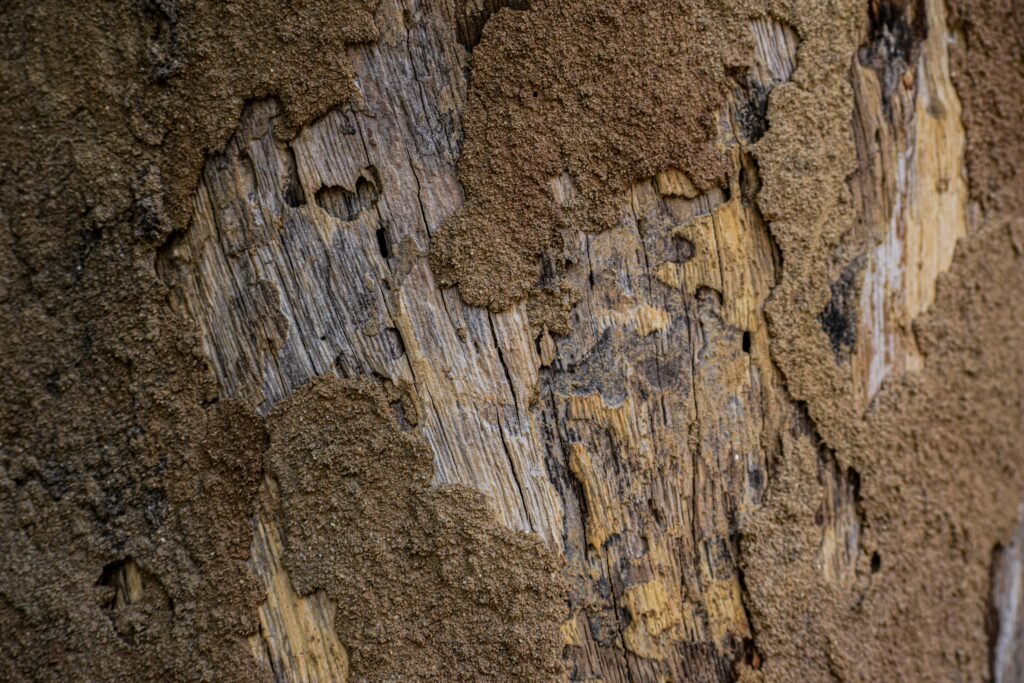
Termites are attracted to drywall because it contains cellulose — the same material found in wood. Once they get inside, the damage can spread quickly behind surfaces you cannot see.
Signs in your walls:
- Bubbling paint — looks like a water blister but is a tunnel just beneath the drywall paper
- Tiny pinholes — exit points where swarmer termites have come out of the wall
- Papery or hollow surfaces — if drywall sounds thin when tapped, termites may have eaten what is behind it
- Visible maze patterns — in severe cases, tunneling shows through cracked drywall or peeling wallpaper
If termites have damaged your drywall, they have almost certainly also eaten into the wooden wall studs behind it. Wall damage is rarely surface-level — always treat it as a sign of deeper structural issues.
Termite Damage in Floors
Floor damage from termites is frequently mistaken for water damage. Both cause warping, blistering, and soft spots — but the source and the fix are completely unique.
What to look for:
- Laminate or hardwood that looks blistered or sagging — similar to what a burst pipe would cause
- Loose floor tiles that sound hollow when walked on
- Squeaking or creaking boards that were never an issue before
- Visible sagging in specific sections of the floor
If your floor joists are damaged, the entire floor structure becomes unstable. This type of repair often requires replacing structural wood, and the costs can be significant.
Termite Damage in Wood Beams and Joists
Structural wood beams, joists, and supports are the foundation of your home’s stability. Termite damage here is the most serious and the most costly to fix.
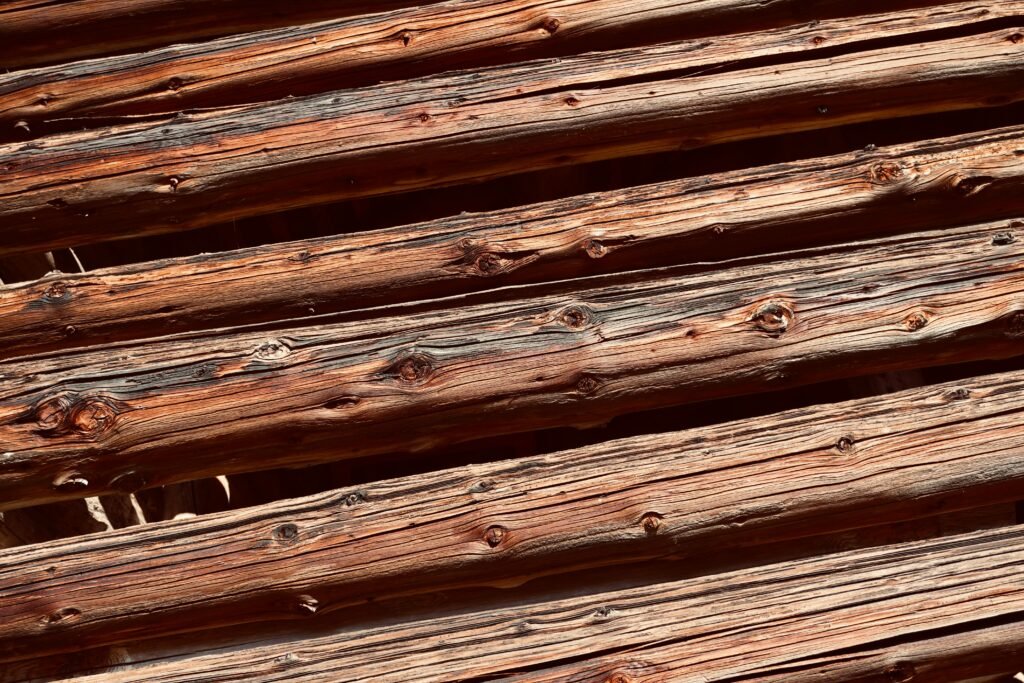
Signs to look for:
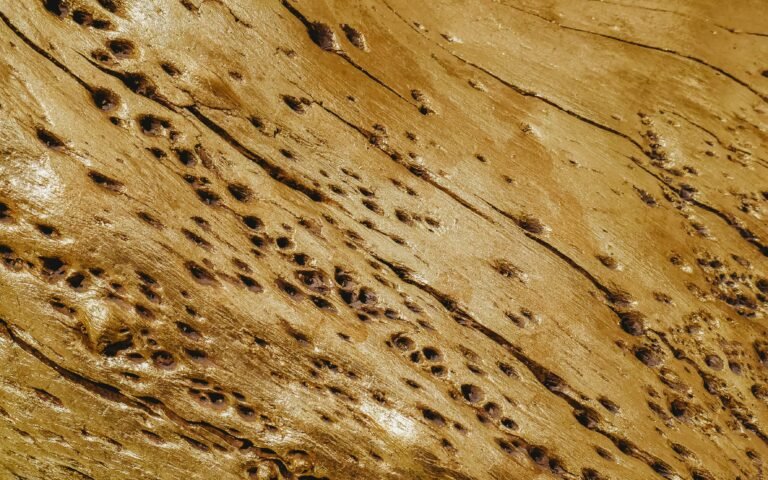
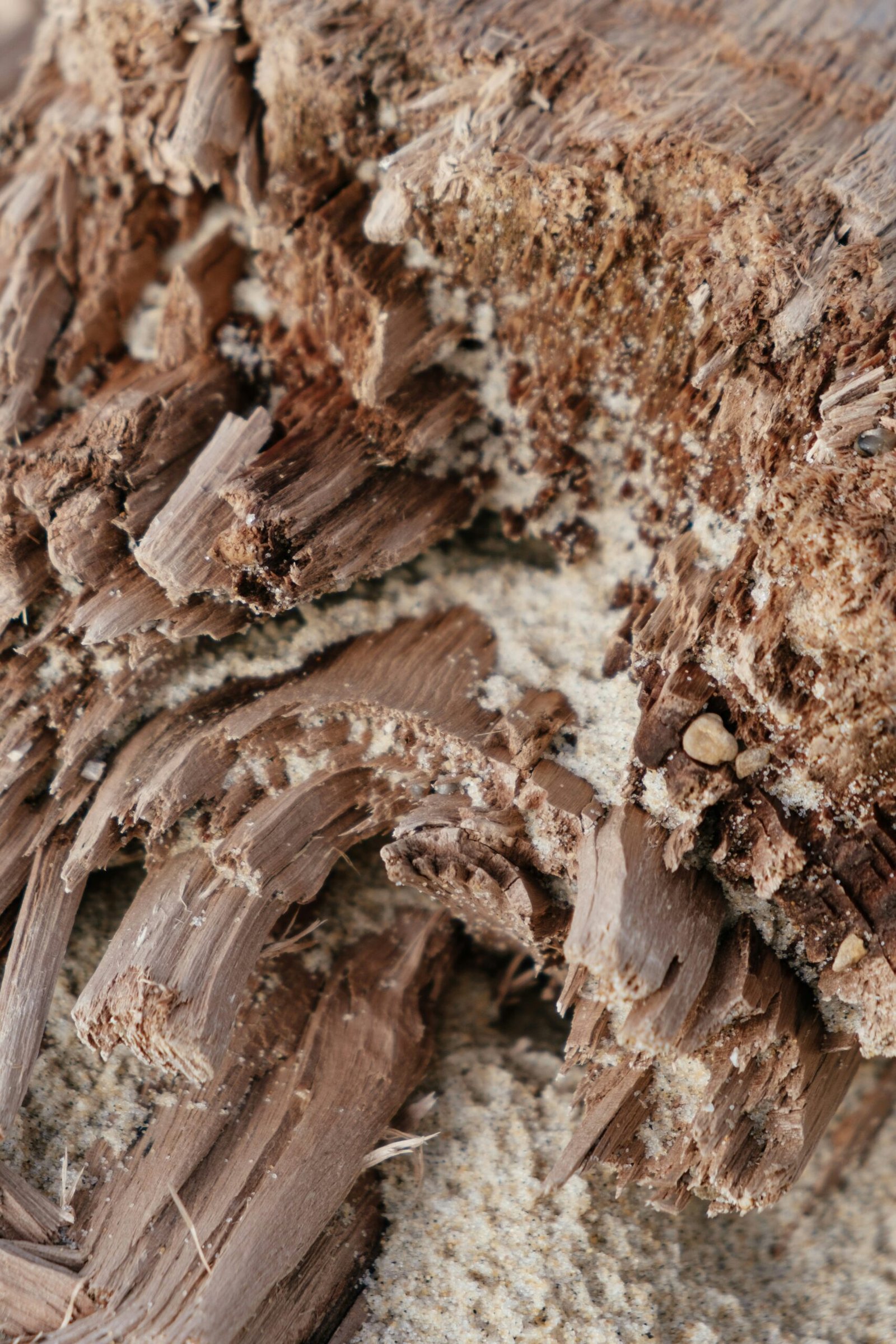
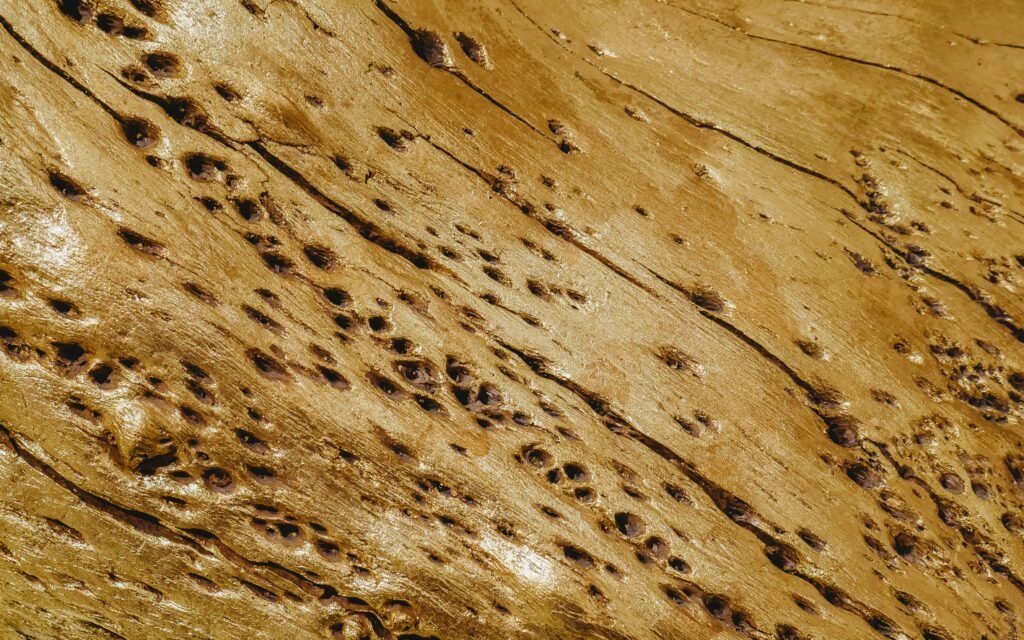
- Wood that crumbles or breaks apart easily when touched
- Visible tunneling galleries inside exposed wood
- Sagging ceilings or walls in more advanced cases
- Mud lining the inside of damaged wood a definitive sign of subterranean termites, not wood rot
Pro tip: If you break apart damaged wood and find mud or soil inside, it indicates the presence of termites. Wood rot crumbles differently and does not leave soil behind.
Termite Damage in the Attic
Most homeowners never check their attic — and that is precisely why termite damage there goes undetected for so long. Attics contain large amounts of exposed wooden framing, and poor ventilation creates the warm, humid conditions termites love.
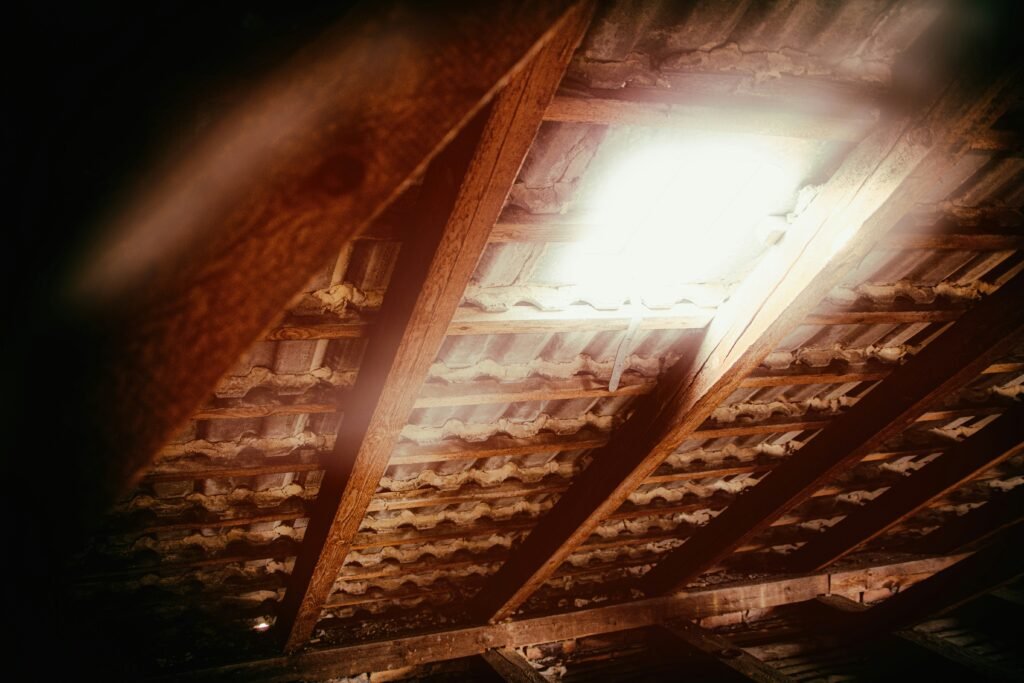
Signs of termite damage in the attic:
- Rafters or roof joists that look hollow, crumbling, or show tunneling galleries
- Frass accumulating on insulation or on the attic floor below wood beams
- Discarded swarmer wings near attic vents, eave openings, or roof fans
- Mud tubes climbing up interior walls toward the roof line
- Insulation that looks disturbed or compressed without a clear reason
Termites do not eat insulation — but they tunnel through it to reach the wood on the other side. When that wood gets damaged, it leads to a secondary problem: higher energy bills. Many homeowners notice rising heating and cooling costs long before they spot the termite damage causing it.
Termite Damage vs. Water Damage: How to Tell the Difference
This distinction matters more than most homeowners realise. Many people discover termite damage and assume it is a plumbing issue and they lose valuable time because of it.
| Feature | Termite Damage | Water Damage |
| Wood interior | Contains mud or soil | Dry or shows water staining |
| Frass present | Yes — small pellets | No |
| Mud tubes nearby | Often | Never |
| Paint bubbles | Localized, no obvious water source | Near pipes, roofs, or windows |
| Smell | Musty, earthy | Mildew or wet wood |
| Structural damage | Hidden tunnels inside wood | Surface warping and staining |
If you are unsure which one you are dealing with, please check for mud tubes and frass first. If you find either one, the damage is from termites.
Do Termites Fly? Understanding Termite Swarmers
Yes termites do fly. But only a specific group does, and only at certain times of year. Termite swarmers, also called alates, are the winged reproductive members of a colony. When a colony matures—usually after three to five years it releases swarmers in large numbers to find mates and start new colonies.
Swarms are triggered by warm temperatures, humidity, and often rain. They are most common in spring and early summer — though the exact timing depends on your species and region.
Termites vs. Flying Ants: How to Tell the Difference
These two insects look very similar at first glance. But telling them apart is critical — because one destroys homes whereas the other does not.
| Feature | Termite Swarmer | Flying Ant |
| Waist | Straight, no pinch | Pinched, hourglass shape |
| Antennae | Straight | Elbowed or bent |
| Wings | Equal length, about 2x body size | Front wings larger than back |
| Wing color | Clear, fall off easily after landing | Brownish, do not shed easily |
| Body color | Dark brown or black | Black, brown, or reddish |
| Damage risk | Very high — eats wood | Low — does not eat wood |
The easiest rule: If the wings are equal in size and the waist is straight, it is a termite. If the wings are unequal and the waist is pinched, it is a flying ant. Flying ants are a nuisance — termites are a structural threat.
What to Do If You See Swarmers Indoors
Do not spray them with insecticide and consider the problem handled. That does nothing to the colony already feeding inside your home.
Here is what to do instead:
- Do not disturb the swarmers or try to locate the nest yourself
- Take a clear photo for identification
- Capture a few in a sealed plastic bag if possible
- Call a licensed pest control professional the same day
- Note exactly where you found them — this helps the inspector locate the colony faster
When Do Termites Swarm? A Month-by-Month US Calendar
Most people assume termites only swarm in spring. That is partly true — but timing varies significantly by species and region. Here is a clear breakdown:
| Termite Species | Swarm Season | Time of Day | Triggered By | US Regions |
| Eastern Subterranean | March – May | Daytime | Warm day after rain | Nationwide (East, South, Midwest) |
| Western Subterranean | February – April | Daytime | Rain + mild temps | Pacific Coast, Southwest |
| Formosan Subterranean | May – July | Dusk to night | Warm, humid evenings | Florida, Gulf Coast, Hawaii |
| Drywood Termites | August – November | Daytime | Warm, dry weather | Florida, California, Southwest |
| Dampwood Termites | Late summer – Fall | Evening | High moisture, coastal humidity | Pacific Northwest, Florida coasts |
A few important things to keep in mind:
Climate shifts timing. A warm winter in the Southeast can push swarming two to four weeks earlier than normal.
Swarms are short. Most last only 30 to 40 minutes. You may miss the swarm entirely and only find the discarded wings left behind.
Indoor swarms ignore the calendar. If a colony is already inside your home, the temperature and humidity inside the structure can trigger a swarm at almost any time of year.
If you live in Florida, Louisiana, Texas, or along the Gulf Coast, multiple species with overlapping swarm seasons mean you should stay alert from March through October.
How Big Are Termites? Identification by Species
Most people never see a live termite because workers stay hidden deep inside wood and soil. But knowing what they look like helps a lot with early identification.
Worker termites are the most common caste. They are about ¼ inch long, soft-bodied, and creamy white or translucent similar in size to a grain of rice with legs.
Soldier termites are slightly larger with a bigger, darker head and strong mandibles built for colony defense.
Swarmer termites (alates) are the largest. They range from ¼ to ½ inch long and are dark brown or black with two pairs of clear equal-length wings.
If you find small, pale, ant-like insects near damaged wood, those are likely termite workers. They rarely surface — finding them exposed is a sign of a serious infestation.
Termites in Florida: What Every Homeowner Needs to Know
Florida homeowners face a higher termite risk than almost anywhere else in the country. The warm climate and year-round humidity create ideal conditions for multiple species — including some of the most destructive termites in the world. There are approximately 20 termite species found in Florida, and most homeowners will encounter at least one of the three main types.
Eastern Subterranean Termites
Eastern subterranean termites are the most common termite species across the US — and Florida is no exception. They live underground and build mud tubes to reach above-ground wood. A single colony can contain hundreds of thousands of workers. Signs include mud tubes along your foundation and hollow-sounding wood near ground level. Swarms typically happen during the day in spring, triggered by warm weather after rain.
Formosan Termites (The “Super Termite”)
Formosan termites are the most destructive species in Florida and among the most dangerous in the world. Their colonies grow far larger than native subterranean species, and they are relentless feeders. Unlike other termites, Formosans can create satellite colonies wherever moisture is available – near plumbing leaks, inside walls, even in boats and vehicles.
Unique signs of Formosan termites:
- Thicker, more swollen mud tubes than other species
- Carton material — a brownish, spongy mass found inside wall voids or tree cavities
- Significantly faster and more widespread structural damage
Formosan swarms happen at dusk in May and June in Florida. A large swarm near outdoor lights in late spring is a serious warning sign — do not ignore it.
Drywood Termites
Drywood termites live entirely inside the wood they infest. They do not need soil contact or ground moisture, which makes them harder to detect and harder to treat than subterranean species.
Signs of drywood termites:
- Small piles of frass near wood surfaces
- Tiny kick-out holes in wood or drywall
- No mud tubes — they do not build them
- Smooth, clean tunneling galleries inside wood
Drywood swarms happen during the day in fall, often near windows and light sources. Treatment often requires full fumigation (tenting), which is why correct identification matters so much in Florida.
How Long Does It Take for Termites to Cause Serious Damage?
The timeline depends on the species and colony size – but here is a realistic picture of how things typically unfold:
Months 1–6: The colony is new and small. Damage is minimal and almost impossible to detect without a professional inspection.
Year 1–2: The colony is growing and feeding more aggressively. Subtle signs may start to appear — a slightly sticky door, faint hollow sounds, a small pile of frass near a baseboard.
Years 2–3: Damage becomes more apparent. Floors squeak more. Paint starts bubbling. Mud tubes may appear along the foundation. This stage is typically when homeowners finally call an inspector.
Years 3–5+: A mature colony feeds around the clock. Structural damage becomes significant, and repairs become expensive. Formosan colonies can reach this level of destruction much faster than native species.
The average homeowner discovers termites at the two- to three-year mark — but the damage started long before that. Annual professional inspections are the only reliable way to catch an infestation early.
How to Check for Termites Yourself
You can do a basic self-check before calling a professional. Here is a simple walkthrough using tools you already have at home.
What you will need: A flashlight, a screwdriver, and a notepad.
Exterior check:
- Walk your full foundation line and look for mud tubes
- Check everywhere wood meets soil – decking, porch posts, fence posts
- Look for discarded wings near vents, windows, or utility entry points
- Inspect wood trim, siding, and fascia boards for soft spots
Interior check:
- Tap baseboards, door frames, and window frames — listen for hollow sounds
- Check under sinks and around pipes for mud tubes or unusual moisture
- Press your fingernail into any wood that looks discolored or soft
- Inspect your basement and crawl space carefully with a flashlight
Attic check:
- Look for mud tubes climbing up interior walls toward the roof
- Check all exposed wood beams for tunneling, frass, or crumbling areas
- Look for discarded swarmer wings near vents or light fixtures
A self-check is a solid starting point. But termites spend most of their time in places a flashlight cannot reach – behind walls, under floors, and inside structural wood. If you notice even one sign during your walkthrough, please call a professional.
What to Do If You Find Signs of Termites
Do not panic. But do act fast. Here is a clear five-step plan.
Step 1: Document what you found.
Take clear photos of mud tubes, frass, wings, or damage. Note the exact location. This helps the pest control professional identify the species and understand the scope of the problem quickly.
Step 2: Do not disturb the area.
Do not open walls, tear up floors, or spray insecticide on the area. Disturbing the colony can cause it to split and spread deeper into your home — making treatment harder and more expensive.
Step 3: Capture a sample if you can.
If you find live termites or swarmers, place a few in a sealed plastic bag. Your inspector will use the sample to confirm the species and recommend the most effective treatment approach.
Step 4: Call a licensed pest control professional.
Request a full termite inspection. A professional will use moisture meters, borescopes, and trained eyes to find activity in areas you simply cannot access yourself.
Step 5: Follow through on treatment and prevention.
After treatment, ask about annual inspection plans and prevention steps — fixing moisture issues, eliminating wood-to-soil contact, and applying the right barrier treatments for your region.
Frequently Asked Questions About Termite Signs
What are the first signs of termites?
The earliest signs are usually mud tubes along your foundation, small piles of discarded wings near entry points, or frass near baseboards. Most early signs go completely unnoticed without a close inspection.
Can I have termites if I do not see any damage?
Yes. Termites can be active for years before visible damage surfaces. A professional inspection is the only reliable way to detect an early-stage infestation.
Are termites active in winter?
Subterranean termites slow down in cold weather but do not stop feeding entirely. In warm states like Florida, Texas, and California, termites stay active year-round.
Is termite damage covered by home insurance?
In most cases, no. Standard homeowners insurance policies exclude termite damage because it is considered a preventable maintenance issue. Repair costs are typically out of pocket.
How do I know if my termite damage is new or old?
Active infestations show fresh frass, moist mud tubes, or live insects. Old damage shows dry, crumbling wood and empty tubes. A pest inspector can confirm whether there is current activity.
What is the difference between drywood and subterranean termite signs?
Subterranean termites build mud tubes and need soil contact. Drywood termites leave frass pellets, build no mud tubes, and live entirely inside dry wood above ground.
How much does termite damage repair cost?
Repair costs range from around $500 for minor damage to over $10,000 for structural repairs involving beams, joists, or flooring. Formosan termite damage tends to cost significantly more due to the speed and scale of the destruction.
Final Thoughts: What I Would Tell Every Homeowner Today
Going through a termite infestation changes how you see your home. You start tapping on baseboards, checking the foundation after rain, and noticing things you never paid attention to before. That awareness is actually a good thing — because termites are patient and silent, and they do not stop.
I have spoken with dozens of homeowners who discovered their infestation too late. Every single one of them said the same thing: the signs were there, but they did not recognize them. A sticky door blamed on humidity. A musty smell written off as the basement. A small pile of what looked like sawdust near the windowsill.
Do not wait for obvious damage before you take action. By the time a floor sags or a wall crumbles, you are already facing a costly repair bill. The early signs — mud tubes, discarded wings, frass, hollow sounds — are your real window to act.
Get a professional inspection at least once a year. A licensed inspector will check crawl spaces, wall voids, and subfloor systems that a flashlight simply cannot reach. It is the most effective and affordable defense you have.
Learn. Do not try to handle it yourself. Spraying swarmers does nothing to the colony. Opening walls can split it and spread it further. The right tools and treatments belong in professional hands. I learnt that the hard way.
Your home is worth protecting. Do not give termites a two-year head start.