Early Signs of Bed Bugs: How to Spot an Infestation at Home or in Hotels
Bed bugs are sneaky. They hide during the day and feed on you while you sleep. By the time most people notice them, the infestation has already grown.
This guide will teach you about the eight most common signs of bed bugs in your home. You will also get a step-by-step checklist for inspecting hotel rooms and find out how to use the bedbug registry before your next trip.
What Are the Early Signs of Bed Bugs?
The most common early signs of bed bugs include small rust-coloured blood stains on your sheets, dark ink-dot fecal spots on mattress seams, pale shed skins in crevices, tiny pearl-white eggs, a sweet musty odour in the room, and itchy bite marks on your skin in clusters or zigzag lines. In hotels, check the mattress seams and headboard before unpacking. If you notice any of these signs, please stop moving furniture and contact a pest professional.
Where to Find Early Signs of Bed Bugs?
Most people assume the early signs of bed bugs always bite. That is not always the case. About 30% of people never react to bed bug bites at all. So you could have bed bugs in your home and feel absolutely nothing.
That is precisely why knowing all the signs matters — not just the bites. Here is a quick overview of what to look for before we break each one down.
Most common Early signs of Bed Bugs
| Sign | Where to Find it |
| Bite marks on skin | Arms, neck, legs, face |
| Blood stains on sheets | Near where you sleep |
| Dark fecal spots | Mattress seams, headboard |
| Shed skins | Mattress edges, furniture joints |
| Tiny eggs | Seams, cracks, box spring |
| Musty-sweet odor | Bedroom area (heavier infestations) |
| Live bedbugs | Mattress seams, behind headboard |
| Early Signs of Bed Bugs in other areas | Couch, luggage, baseboards |
Dark Fecal Spots (Bed Bug Droppings)
Bed bug droppings look like tiny ink dots pressed onto fabric with the tip of a ballpoint pen. They are dark brown or black and very small—around 1–2mm each.
Here is a quick test you can do at home. Dab the spot with a damp cloth. If it smears like ink, it is almost certainly a fecal mark. Blood stains behave differently and will not smear the same way.
Where should you look? Start at the mattress seams. Then move to the headboard, the edges of the box spring, and behind any electrical outlet plates near your bed. Older droppings soak into fabric over time and leave a stubborn dark stain that is harder to remove.
Shed Skins and Shell Casings
Bed bugs shed their outer skin five times as they grow toward adulthood. Every single shed leaves behind a hollow shell — called a cast skin or exoskeleton — right where the bug was hiding.
These shells are pale and translucent. They are shaped exactly like a bed bug but completely empty inside. Depending on the growth stage, they range from about 2mm up to 7mm in size.
Finding even one shed skin tells you there is at least one live bed bug nearby. Finding a cluster of them means the infestation has likely been building for some time. Focus your search on mattress seams, the underside of the box spring, and the joints of the bed frame.
Bed Bug Eggs and Eggshells
Bed bug eggs are about 1 mm in size — roughly the width of a pinhead. They are pearl-white and slightly sticky to the touch. A female bed bug lays 1–5 eggs per day, often deposited in small batches tucked inside tight crevices.
Those eggs hatch within just 6–10 days. So finding eggs means the infestation is actively reproducing right now. That makes early action even more critical.
Check mattress seam folds, the inside edge of the box spring, cracks in the bed frame, and behind the headboard. A phone camera in macro mode or a basic magnifying glass will help you spot them clearly.
A Musty Sweet Smell in the Room
Bed bugs release alarm pheromones from their scent glands when they are disturbed. Those pheromones create the sweet, musty smell that people often describe when talking about bed bugs. In heavier infestations, the odour of fecal matter and shed skins adds a rusty, damp note on top of it.
People describe the smell in different ways — overripe raspberries, sweet coriander, damp mustiness, or even the scent of new particle board. It is not one single note. It is a combination.
Here is the important thing to understand. You will not smell anything in a light infestation. The odour becomes noticeable only once the population has grown significantly. So if there is no smell, that does not mean there are no bugs. But if you do notice an unusual sweet or musty odour in your bedroom that was not there before, take it as a serious warning sign.
Live Bed Bugs: Early Signs of Bed Bugs
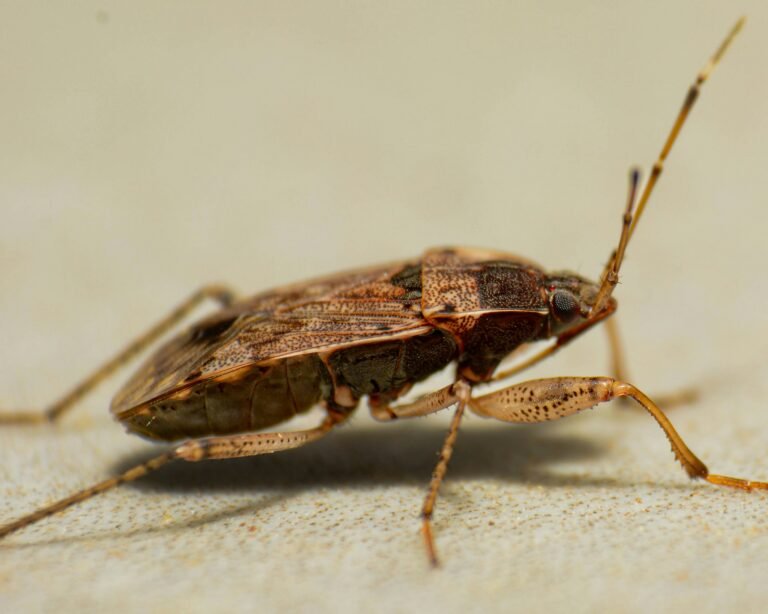
Spotting an actual bed bug is the most definitive confirmation you can get. Adult bedbugs are roughly the size of an apple seed — reddish-brown after a blood meal and tan or pale when they are hungry and flat with an oval shape.
They stay hidden during the day. Your best chance to see one is just before dawn, when they return to their hiding spots after feeding. Grab a flashlight and check the mattress seams, the back of the headboard, and furniture joints near the bed.
Young bed bugs, called nymphs, are nearly impossible to spot without help. They are translucent and smaller than 2mm. A magnifying glass makes a real difference when you are trying to confirm whether what you are seeing is actually a nymph.
Signs Beyond the Bedroom
Most articles focus entirely on the mattress. But bed bugs spread over time. They do not remain in one place indefinitely.
On Your Couch
Examine the faecal matter on all the seams, piping on cushions and the underside of each one. Look at the point where the backrest meets the base. Faecal spots and shed skins often collect in those tight folds.
In Your Car
Run your hand along seat seams and check the gap between cushions. Look at the carpet edges near where people sit most often.
In Your Luggage After a Hotel Stay
Before bringing your bag back inside your home, inspect the liner seams, the zipper channel, and every fabric pocket. This is one of the most common ways bed bugs enter a home after travel.
Behind Baseboards and Outlet Plates
Bed bugs travel along walls and through wall voids. The gap behind a baseboard or inside an electrical outlet cover is a classic hiding spot — especially in apartments where bugs can move between units.
How Bad Is Your Infestation? The 3 Stages Explained
Finding one sign does not tell you how serious the situation actually is. This three-stage breakdown helps you figure that out quickly.
Stage 1 — Light Infestation (1–5 bugs, first few weeks)
The only sign at this stage is usually isolated bites. There is no visible staining yet and no shed skins that are easy to locate This stage is effortless to miss, but it is also the best and cheapest time to act.
Stage 2 — Moderate Infestation (5–50 bugs, weeks 4–8)
Faecal spots begin showing up on mattress seams. You might find a shed skin or two if you look carefully. Bites become more frequent and start appearing in clusters rather than alone.
Stage 3 — Heavy Infestation (50+ bugs, months 2 and beyond)
The musty-sweet odour becomes noticeable without even getting close to the mattress. Staining is visible in multiple spots. Shed skins are easy to find. Eggs appear in crevices. You may start seeing live bugs without actively searching for them.
The difference in treatment cost and effort between Stage 1 and Stage 3 is significant. Do not wait for things to get worse before you act.
How to Check Early Signs of Bed Bugs in a Hotel Room
Hotels are one of the most common ways bed bugs spread from place to place. Even high-end hotels are not immune. In fact, luxury hotels report bed bug problems at roughly the same rate as budget properties. The star rating of a hotel tells you nothing about whether bed bugs are present.
Here is a simple five-step inspection you can do in under ten minutes before you unpack.
Step 1 — Put Your Luggage in the Bathtub First
The bathtub is the one place in a hotel room where bed bugs almost never hide. Keep your bag there until your inspection is done. Do not set it on the bed, the floor, or any upholstered furniture.
Step 2 — Strip the bed completely.
Pull back every layer – sheets, a blanket, and a mattress cover. Use your phone flashlight and check every mattress seam, corner tag, and the junction between the mattress and box spring. You are searching for dark spots, rust-coloured stains, shed skins, or any visible bugs.
Step 3 — Check the Headboard, Nightstand, and Dresser
Bed bugs typically stay within eight feet of where people sleep. Check the back of the headboard if it can be moved. Check the undersides of drawers and where the drawer meets the frame. These are the favourite hiding spots in hotel rooms.
Step 4 — Check Upholstered Furniture and Wall Fixtures
Run your flashlight along the seam piping of any chairs or sofas in the room. Examine the back of cushions and the base of curtains. Also look at wall-mounted picture frames and curtain rod brackets — hotel rooms frequently overlook these but often infest them.
Step 5 — If You Find Early Signs of Bed Bugs, Act Immediately
Take photos of everything before touching it. Report to the front desk right away. Ask for a new room that is not next door, directly above, or directly below the infested one — bed bugs move through walls and floors easily. Before heading home, inspect your luggage thoroughly and wash every item of clothing on the highest heat setting available.
Early Signs of Bed Bugs: Inspection Tools — Find Signs Faster With These
You do not need professional equipment to do a thorough inspection. A few inexpensive tools make the whole process faster and more reliable.
UV Blacklight Flashlight
This flashlight is the most useful tool on this list. Bed bug fecal stains and shed skin residue fluoresce under UV light — meaning they glow in a way that is completely invisible under normal lighting. A UV flashlight costs around $10 online and is worth keeping in your travel bag. Slowly run it along mattress seams, the back of headboards, and furniture joints. Any faint glowing spots in those areas are worth investigating further.
Phone Camera in Macro Mode
Bed bug eggs and first-stage nymphs are smaller than 2mm. Without help, they are almost impossible to see clearly. Switch your phone camera to macro or close-up mode and use it to examine tight seams and crevices up close. You will be surprised how much detail it picks up without needing any special equipment.
A Stiff Plastic Card
An old loyalty card or expired credit card works perfectly here. Run the edge firmly along mattress seams and furniture joints. The pressure scrapes into the gap and pushes out anything hiding inside. This is the same basic technique professional bed bug inspectors use in the field.
A Magnifying Glass
When you want to confirm whether what you are seeing is actually an egg, a nymph, or just a piece of lint, a basic magnifying glass settles the question immediately. Under magnification, the oval shape and tiny legs of a nymph become clearly visible.
A UV flashlight is the single most practical item to bring when staying in a hotel. A two-minute sweep of the mattress seams at check-in gives you far more confidence than any visual check alone.
What to Do Right After Finding Early Signs of Bed Bugs
Finding early signs of bed bugs is understandably stressful. But what you do in the next few hours matters enormously. Here are the most important dos and don’ts.
Do not move furniture to other rooms
This action is the single most common mistake people make. It spreads bed bugs into areas of your home that were not yet affected.
Do not drag your mattress outside right away
Carrying an infested mattress through your home leaves bugs on every surface it passes.
Do photograph all evidence before you disturb anything. Clear photos help a pest professional assess the severity accurately and plan the right treatment.
Do strip and wash all bedding immediately
Use the hottest water and dryer settings your machine offers. Heat above 120°F kills bed bugs at every stage of their life cycle — eggs, nymphs, and adults.
Do use a mattress encasement
Zipping one onto your mattress traps any remaining bugs inside and prevents new ones from getting in while you wait for professional treatment.
Do call a licensed pest control professional
DIY sprays and powders frequently fail because they do not reach hidden bugs and eggs deep inside crevices. A trained professional can confirm the full scope of the infestation before treatment begins.
What is the Early Signs of Bed Bugs
The first sign is usually small itchy bites in a cluster or zigzag pattern on exposed skin. However, since around 30% of people show no bite reaction at all, the first visible sign is often tiny rust-coloured blood specks on the sheets near where you sleep.
Can you see bed bugs with the naked eye?
Adult bed bugs are visible without any tools — they are roughly the size of an apple seed. Young nymphs, however, are translucent and smaller than 2mm, making them nearly impossible to identify without a magnifying lens or macro camera.
How long can you have bed bugs without knowing?
It is entirely possible to have a light infestation for several weeks or even a few months without realising it— particularly if you are among the 30% who show no reaction to bites. The infestation typically becomes obvious once the population grows large enough to produce visible staining and shed skins.
Do bed bugs only live in beds?
No. Bed bugs will live anywhere near a resting or sleeping host. This includes sofas, car seats, upholstered office chairs, luggage, behind baseboards, and inside electrical outlet covers.
Are bed bugs a sign of a dirty home?
Absolutely not. This is one of the most persistent myths about bed bugs. They are attracted to body warmth and carbon dioxide — not dirt or clutter. They are found just as often in spotless homes and five-star hotels as anywhere else.
How do I know if my hotel room has bed bugs right now?
The quickest check is to pull back the fitted sheet and inspect the mattress seams with your phone flashlight. Look for dark ink-dot stains, rust-coloured smears, or pale translucent shed skins along the seams and at the corners.
Conclusion
Bed bugs are far easier to deal with when you catch them early. The sooner you spot the signs, the simpler and cheaper the treatment will be.
Start by checking your mattress seams, sheets, and nearby furniture. Use your phone flashlight, and search the bed bug registry before booking any hotel.
If you do find signs, do not panic. Please take photos, wash your bedding on high heat, and call a licensed pest professional right away.